




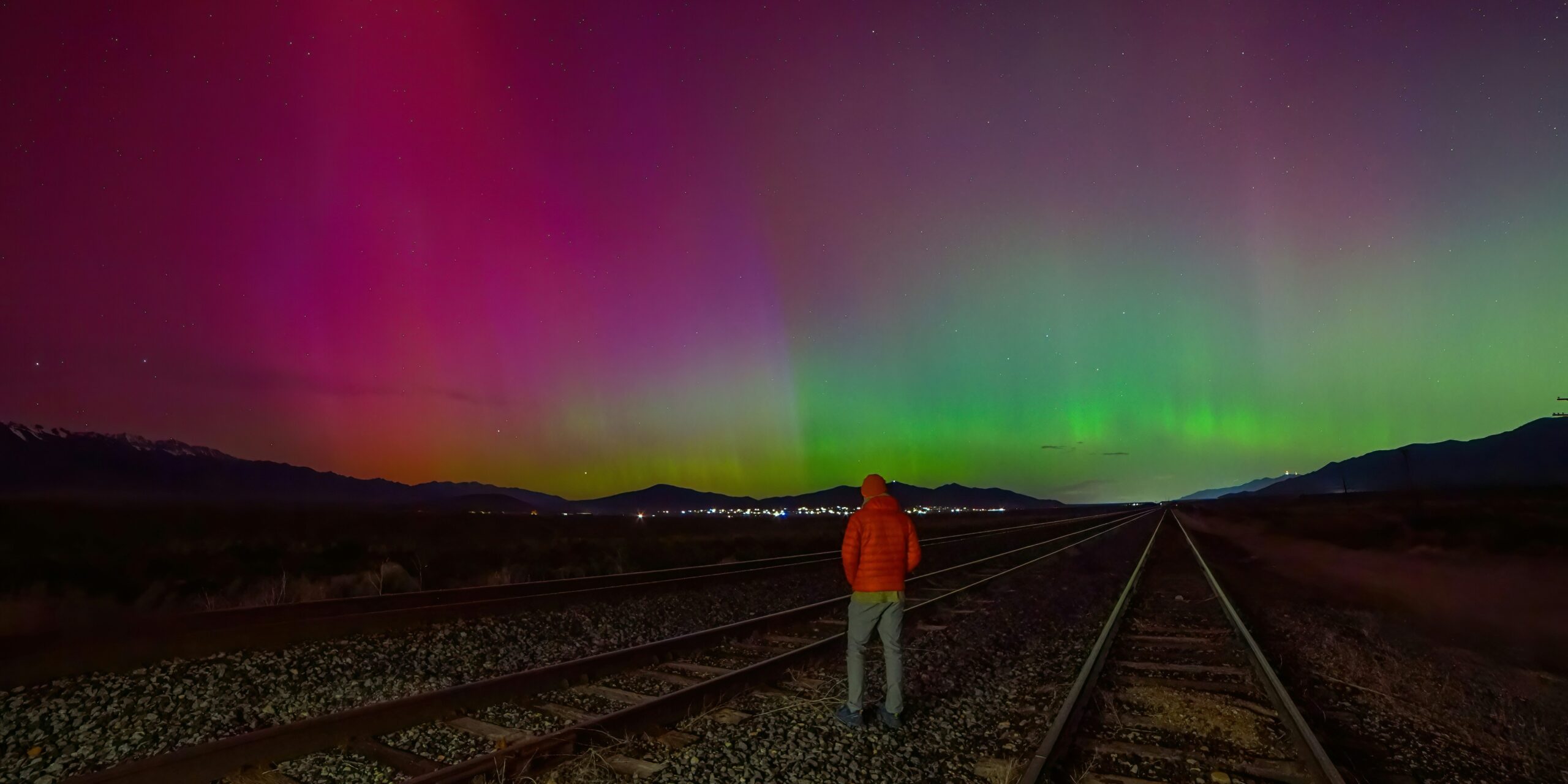
On the night of January 21, 2026, skywatchers across the northern United States were treated to a rare and extraordinary opportunity to witness the aurora borealis, also known as the Northern Lights. Due to significant geomagnetic activity, the natural light display, typically seen in higher latitudes near the Arctic Circle, stretched far beyond its usual territory and was visible in 13 states, including Washington, Idaho, Montana, Wisconsin, and New York. While solar activity wasn’t at its peak, the event still presented a remarkable chance for residents and photographers in these regions to see one of nature’s most beautiful and elusive phenomena.
The aurora borealis occurs when solar wind—charged particles from the sun—collides with the Earth’s magnetic field. This interaction releases energy in the form of light, creating the mesmerizing colors that dance across the sky. These lights can appear in a variety of shades, including vibrant greens, pinks, purples, and reds, depending on the particles involved and the altitude at which the energy is released. The Northern Lights are most commonly visible in regions close to the Arctic Circle, such as Canada, Alaska, Scandinavia, and Russia, but geomagnetic storms can push the aurora further south, allowing those in more temperate regions to catch a glimpse of the spectacle.
For those hoping to experience the Northern Lights on January 21, experts recommended seeking out dark, north-facing locations away from light pollution for the best viewing opportunities. The ideal time to view the aurora is during the late evening to early morning hours when the sky is at its darkest, and the chances of witnessing the display are highest. The best locations were areas removed from city lights, where the sky’s natural beauty could be observed without artificial interference. In cities and towns where light pollution is an issue, even a faint aurora may go unnoticed, so finding a quiet spot away from urban areas was crucial to maximizing the experience.
Though the solar activity wasn’t as intense as during a major solar flare, the geomagnetic event on January 21 still offered a rare viewing opportunity. This made the experience especially exciting for those living in areas where the Northern Lights are rarely seen. Many people in the northern U.S. regions do not typically get the chance to view the aurora borealis, and this event gave them a moment to witness one of nature’s most spectacular light shows. Photographers, in particular, seized the opportunity to capture the aurora against unique backdrops, with cities and landscapes far south of the usual viewing areas.
The timing of the aurora borealis also made it particularly special. During the winter months, long, dark nights provide an extended window for aurora viewing. The stillness of winter nights, often accompanied by crisp, clear skies, enhances the spectacle, allowing observers to enjoy the full beauty of the light show. Though the aurora is inherently unpredictable, these moments serve as a reminder of the beauty of our natural world and its occasional ability to surprise and delight those who take the time to look up.
Events like the one on January 21, 2026, are rare but serve as an excellent opportunity for people in unexpected locations to witness a phenomenon that is usually confined to the northernmost parts of the globe. Solar activity, while cyclical, can never be fully predicted, which means that every aurora viewing event is a fleeting experience that many people treasure deeply. For future opportunities, skywatchers and photographers alike are encouraged to stay informed about solar activity and geomagnetic storms in order to catch the next opportunity to see the aurora borealis in regions where it’s rarely seen.
This special occasion not only brought a sense of wonder to the millions of people who were able to witness the aurora but also highlighted the beauty and unpredictability of our planet’s natural forces. As scientists continue to study solar and geomagnetic activity, it’s likely that such displays will continue to surprise and inspire people all over the world. For now, those who were fortunate enough to see the Northern Lights on January 21 will have a memory of a rare and awe-inspiring event that they will cherish for years to come.
