




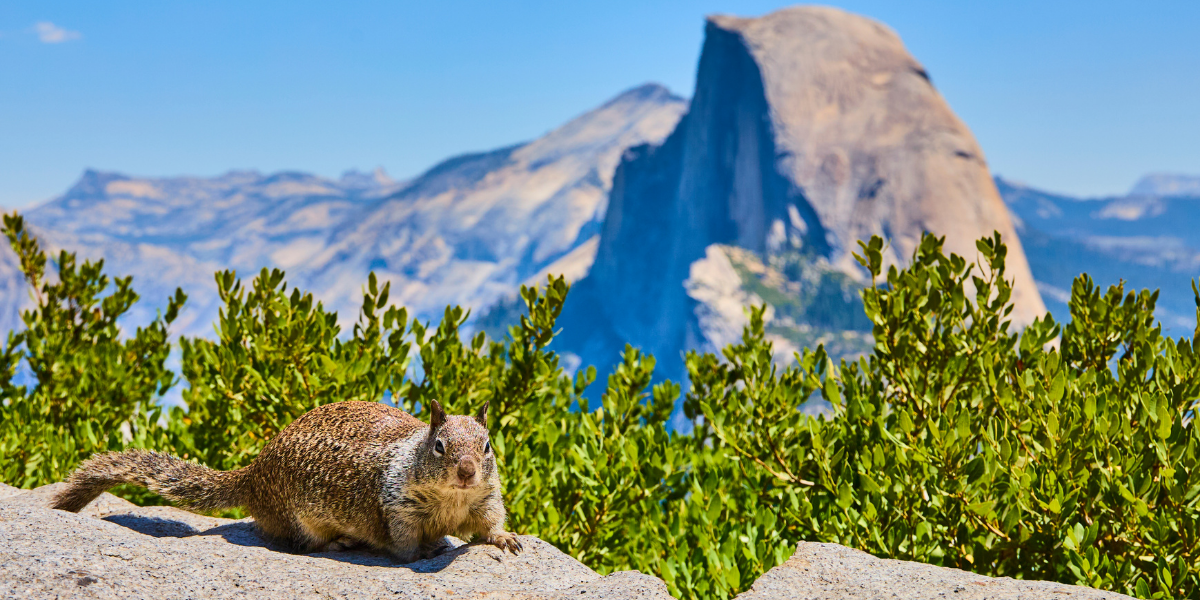
After closing for safety amid record‑breaking winter snowfall, Yosemite National Park reopened to visitors on February 21, 2026, giving nature lovers a rare chance to witness the park’s famed Firefall phenomenon at Horsetail Fall. The reopening marks a significant moment in California outdoor culture and tourism, offering a dramatic return to one of the Golden State’s most iconic seasonal spectacles.
Record Snow Closures Give Way to Visitor Access
Earlier in the week, parts of Yosemite had been closed due to extreme snow conditions that followed a powerful winter storm affecting much of California. Heavy Sierra Nevada snow led to dangerous avalanche conditions and blocked major park roads, leaving some areas inaccessible for the first time in years.
On Saturday, February 21, park officials reopened key access points including Wawona Road and El Portal Road, allowing visitors once again to enter and experience outdoor activities. However, some routes such as Big Oak Flat Road and Badger Pass Road remain closed, with limited services like campgrounds also unavailable. Travelers are being advised to use tire chains, prepare for icy conditions, and expect limited parking due to persistent deep snow.
The Firefall Phenomenon: Nature’s Winter Light Show
Yosemite’s Firefall, a natural spectacle where the setting sun illuminates Horsetail Fall in fiery orange and red hues, is one of the park’s most anticipated seasonal events. Typically visible in mid‑to‑late February, the effect depends on precise weather conditions: a clear sky at sunset and enough waterfall flow from winter snowmelt.
This year’s storm made access uncertain for visitors, prompting concern among photography enthusiasts and travel planners. With the park’s reopening, many are now heading to prime viewing spots along El Capitan’s Horsetail Fall side, forecasting several days of sunset conditions favorable for the fiery glow.
Tourism and Local Economic Impacts
Yosemite is one of the most visited national parks in the United States, attracting millions of visitors annually. Even in winter, the Firefall draws photographers, hikers, and outdoor enthusiasts from across California and beyond. The temporary closure and delayed reopening had implications for local businesses in Mariposa and El Portal communities, particularly hospitality, dining, and tour services.
Now that key roads are open, regional lodging and tourism operators anticipate a weekend surge in visitors. Local guides and outfitters are also reporting renewed interest in winter tours, snowshoeing, and photography excursions tied to the Firefall event.
Safety First: Snow, Wind, and Winter Warnings
Despite the reopening, Yosemite visitors are cautioned about challenging conditions. Snow depths in viewing areas may reach 3–4 feet, and icy trails or roadway patches could pose risks for inexperienced winter adventurers. The National Weather Service has maintained winter weather advisories across the Sierra Nevada range, including gusty winds up to 50 miles per hour in some areas.
Visitors are strongly advised to check updated conditions before driving into the park, carry chains, and prepare for limited services. National Park Service officials stress that some areas may still be hazardous, and flexibility in travel planning is essential.
Why This Matters to California Travelers
Yosemite’s Firefall holds cultural and natural significance for California residents and visitors. It represents a unique annual alignment of geology, light, and weather that transforms the park into a photographer’s paradise and a symbol of California’s diverse natural beauty.
For many, the reopening signals a return to outdoor adventure and seasonal celebration after a dramatic storm cycle. With February often considered a shoulder season for travel, events like Firefall help extend Yosemite’s appeal beyond summer months and highlight winter recreation opportunities across the Sierra Nevada.
Planning Your Visit
Travelers planning to witness Firefall this year should prepare for winter conditions, confirm current park access status, and consider arriving early to secure viewing spots. Yosemite’s winter landscape offers a striking contrast to its summer crowds, with opportunities for snowshoeing, scenic photography, and quiet backcountry experiences.
As Yosemite National Park welcomes visitors again, the Firefall season promises a memorable highlight in California’s travel calendar, one born from unpredictable winter weather and realized through nature’s spectacular light show.
