




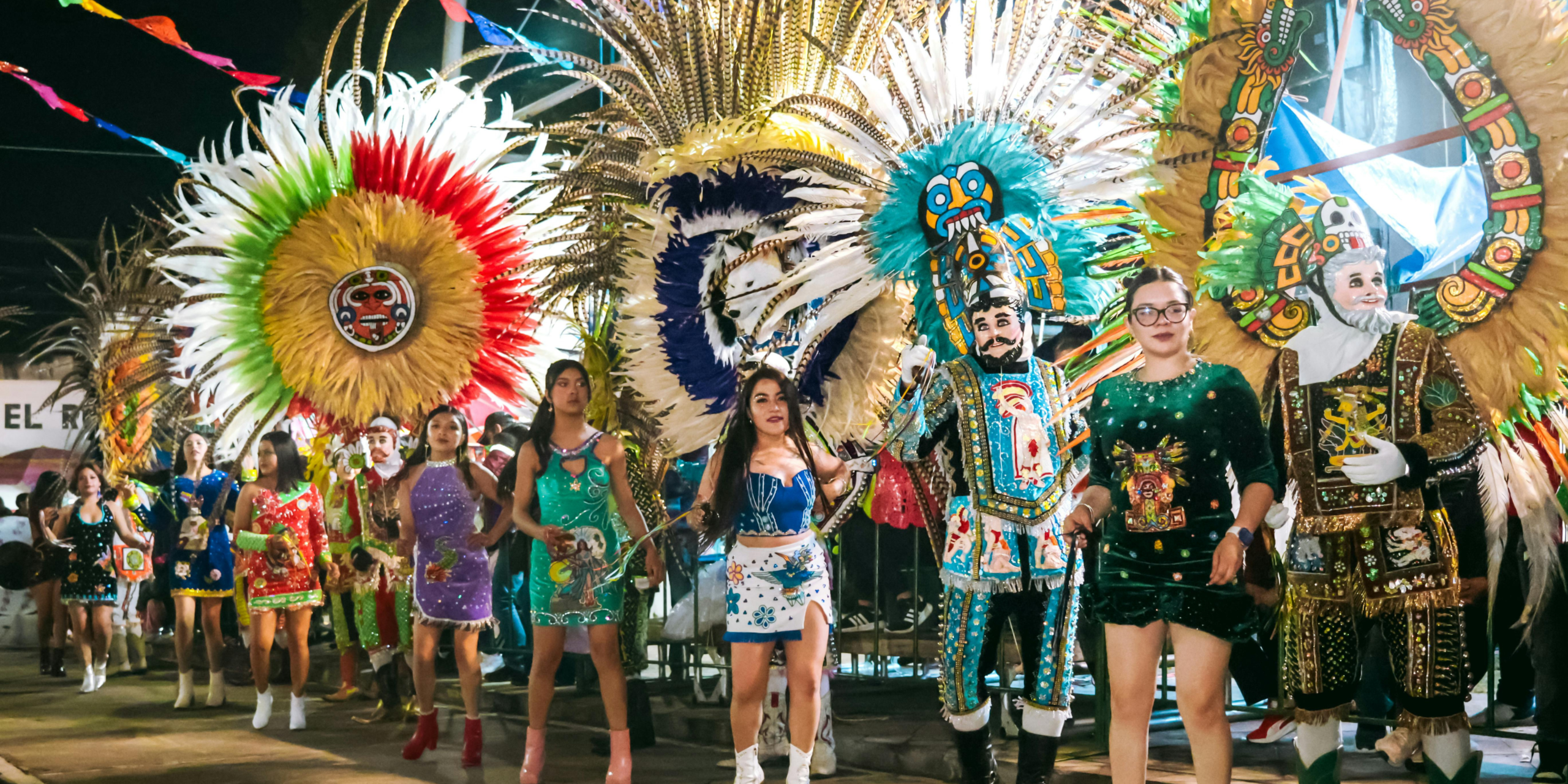
Across California, communities are welcoming the spring 2026 season with a renewed sense of energy, optimism, and connection. From the coastal cities of the Bay Area to inland cultural hubs and desert communities, this week has marked the unofficial launch of a season defined by outdoor festivals, local arts programming, park revitalization efforts, and travel experiences that highlight the state’s diverse identity.
While California is no stranger to year-round activity, spring traditionally serves as a moment when cities and towns reintroduce large-scale public gatherings, encourage tourism, and invest in shared spaces. This year is no exception, as local organizations, cultural institutions, and city partners come together to emphasize community engagement and accessible experiences for residents and visitors alike.
A Season of Outdoor Connection
One of the defining themes of spring 2026 in California is the continued emphasis on outdoor living and public space revitalization. Cities across the state are expanding access to parks, waterfront areas, and pedestrian-friendly districts, reflecting a broader statewide commitment to wellness, sustainability, and community gathering.
In the San Francisco Bay Area, renewed programming in public parks has brought families, artists, and local vendors together for weekend markets, live performances, and wellness activities such as group yoga sessions and guided nature walks. These events are designed to encourage residents to reconnect with local green spaces while supporting small businesses and local creatives.
Further south in Los Angeles, neighborhood councils and cultural organizations are hosting open-air art installations and street festivals that highlight the city’s multicultural identity. These gatherings often blend music, food, and visual art, turning city blocks into temporary cultural corridors that celebrate creativity and inclusivity.
Travel and Local Exploration on the Rise
California’s travel and hospitality sectors are also experiencing a seasonal uplift, with renewed interest in domestic tourism and regional exploration. Coastal routes along Highway 1, wine regions in Napa and Sonoma, and lesser-known inland destinations are seeing increased attention from travelers seeking relaxed, experience-driven trips.
This year’s spring travel trends emphasize slow travel longer stays, deeper cultural immersion, and a focus on sustainability. Boutique hotels, eco-lodges, and family-run inns are reporting strong interest from visitors looking to engage more meaningfully with local communities rather than rushing through destinations.
State and regional tourism boards have also highlighted under-visited destinations such as Mendocino’s rugged coastline, the artistic communities of Ojai, and the desert landscapes surrounding Joshua Tree as key points of interest for 2026 travelers. These areas are being promoted not only for their natural beauty but also for their growing arts scenes and locally driven experiences.
Cultural Programming and Community Arts Flourish
Arts and culture remain at the heart of California’s spring momentum. Museums, theaters, and cultural centers are unveiling seasonal programming that blends traditional exhibitions with interactive and community-based experiences.
In the Bay Area, institutions are expanding free or low-cost admission days to encourage broader public participation. Pop-up galleries and collaborative art projects are also appearing in urban neighborhoods, allowing residents to contribute directly to evolving installations.
In San Diego, performing arts groups are staging outdoor concerts and theater productions in public parks, taking advantage of the mild spring weather. These performances often highlight regional storytelling, drawing inspiration from California’s history, landscapes, and multicultural communities.
Across the state, local artists are playing a central role in shaping the seasonal identity of their communities, reinforcing California’s long-standing reputation as a hub for creative expression.
Local Food Culture Takes Center Stage
California’s food scene is also enjoying a seasonal refresh, with farmers markets, food festivals, and seasonal menus highlighting the state’s agricultural abundance. Spring produce including citrus, strawberries, leafy greens, and fresh herbs is being showcased by chefs and local vendors who prioritize farm-to-table dining.
In cities like San Francisco, Oakland, and Sacramento, restaurants are rolling out spring-inspired menus that reflect both innovation and regional tradition. Outdoor dining remains popular, with patios, rooftop spaces, and park-adjacent eateries drawing steady crowds.
Food festivals this season are also placing emphasis on sustainability and local sourcing, bringing together farmers, chefs, and food artisans to celebrate California’s agricultural heritage.
A Shared Focus on Sustainability and Community
Underlying many of these spring developments is a continued emphasis on sustainability and community resilience. Public initiatives across the state are encouraging environmentally conscious practices, from waste reduction at festivals to expanded urban greening projects and coastal conservation efforts.
Community organizations are also playing a vital role in fostering inclusivity, ensuring that events and programs are accessible to a wide range of residents. This focus reflects California’s ongoing commitment to building spaces where culture, environment, and community intersect.
Looking Ahead
As spring unfolds across California, the state’s blend of natural beauty, cultural diversity, and innovative spirit is on full display. Whether through neighborhood festivals, coastal travel experiences, or artistic collaborations, the season is shaping up to be one defined by connection and shared enjoyment of public life.
For residents and visitors alike, spring 2026 offers an opportunity to rediscover California’s landscapes and communities in meaningful ways celebrating not just where the state is going, but the vibrant local experiences that continue to define it today.
