




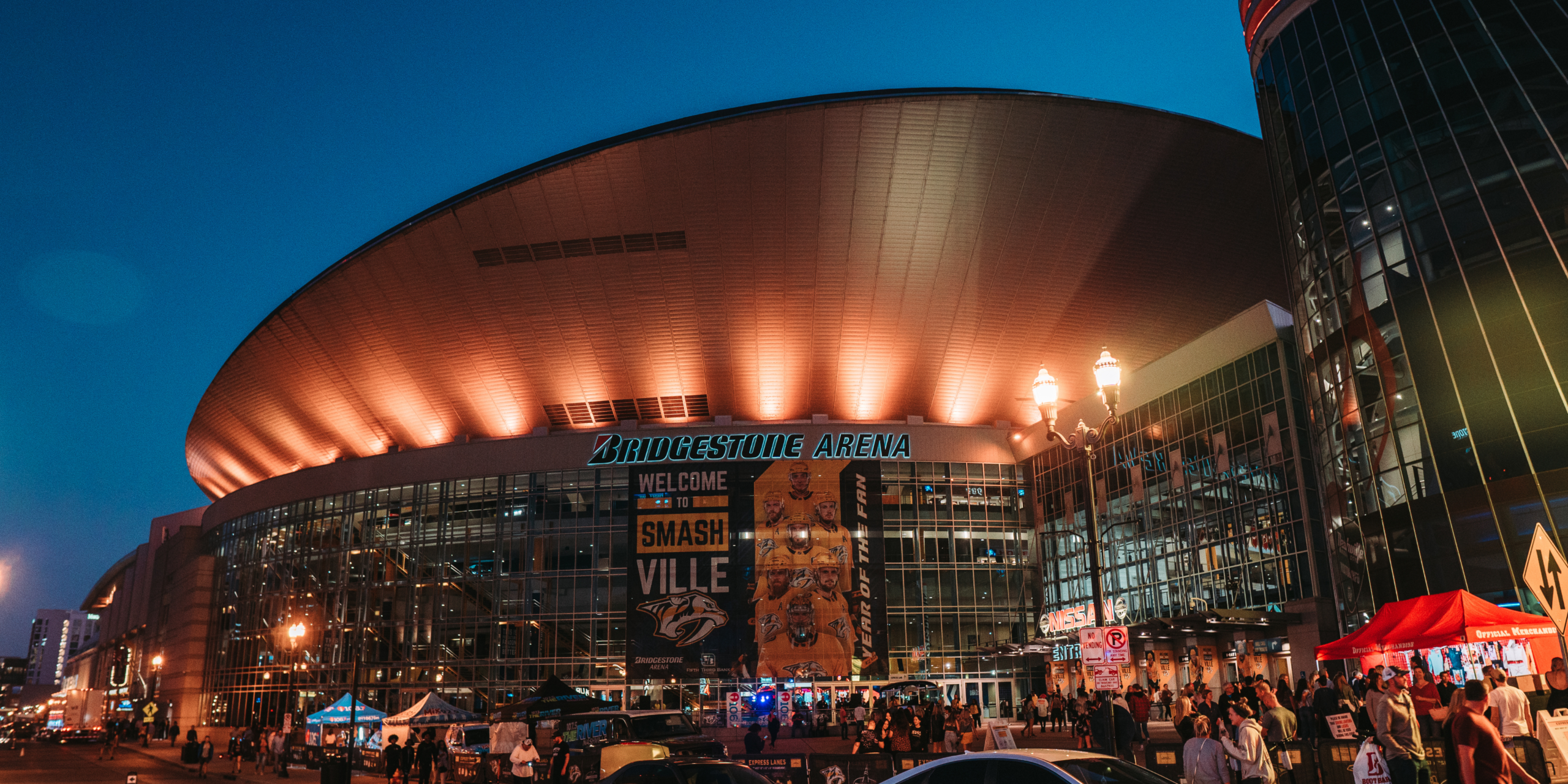
Nashville’s selection as the host city for Super Bowl 64 in 2030 marks a major moment not only for Tennessee, but for the continued growth of sports tourism and entertainment across the United States. The announcement reflects how cities known for culture, hospitality, and live entertainment are becoming increasingly important destinations for large-scale national events.
The NFL confirmed this week that Nashville will host the championship game at the city’s upcoming new Nissan Stadium, a state-of-the-art venue currently under construction and expected to open in 2027. The decision places Nashville among a distinguished group of cities trusted to host one of the world’s most-watched sporting events.
For years, Nashville has steadily evolved into a major destination for music, tourism, dining, and professional sports. The city’s vibrant downtown atmosphere, thriving entertainment industry, and welcoming hospitality culture helped strengthen its bid to host the Super Bowl. NFL leaders praised Nashville’s ability to combine sports, live entertainment, and visitor experiences into a single destination that appeals to fans from around the country.
The announcement generated excitement among business owners, tourism officials, and sports fans who see the event as a celebration of community growth and national recognition. Large sporting events often create opportunities for local restaurants, hotels, transportation services, artists, and small businesses to welcome new visitors and showcase regional culture on a global stage.
Nashville’s successful hosting of the 2019 NFL Draft played a major role in building confidence among league officials. That event drew enormous crowds and received widespread praise for its atmosphere, organization, and fan engagement. Many observers viewed it as proof that Nashville could successfully manage major national sporting events while maintaining its unique local identity.
The new Nissan Stadium is expected to become one of the most advanced sports venues in the country. Plans for the stadium include upgraded fan amenities, modern technology, expanded entertainment areas, and climate-controlled comfort designed for year-round events. City leaders believe the venue will continue attracting concerts, sporting events, and cultural festivals long after the Super Bowl concludes.
For fans, the Super Bowl experience extends far beyond the game itself. The event typically includes an entire week of concerts, family-friendly attractions, fan festivals, media events, and community celebrations. Nashville’s famous live music scene is expected to play a central role in creating a memorable atmosphere leading up to the championship game.
The city’s walkable downtown area, lined with music venues, restaurants, and entertainment districts, gives visitors an opportunity to experience local culture while attending one of the nation’s biggest sporting events. Tourism experts believe this blend of sports and entertainment continues to make Nashville especially attractive to national event organizers.
Across the country, cities are increasingly investing in sports tourism as a way to support local economies and strengthen community identity. California has long been a leader in this area, regularly hosting major events ranging from the Super Bowl and NBA All-Star Weekend to championship golf tournaments and international soccer matches. Nashville’s selection reflects how sports continue to bring communities together while encouraging travel, cultural exchange, and economic activity.
The announcement also highlights the growing importance of modern stadium design and urban development. New sports venues are no longer built solely for athletic competition. Many now serve as multipurpose entertainment hubs that support concerts, conventions, festivals, and tourism throughout the year. Nashville’s stadium project represents this broader national trend toward combining sports with lifestyle and entertainment experiences.
Business leaders in Nashville have expressed optimism about the long-term impact of hosting the Super Bowl. National exposure from the event is expected to introduce millions of viewers to the city’s culture, food scene, entertainment offerings, and hospitality industry. For local residents, the event represents a chance to showcase the city’s energy and creativity to an international audience.
The NFL’s decision also demonstrates how cities with strong cultural identities can stand out when competing for major events. Nashville’s reputation as “Music City” helped differentiate it from other contenders by offering visitors an experience that blends football with live entertainment and Southern hospitality.
As preparations begin for 2030, excitement continues to build around what promises to be one of the most anticipated sporting events in Nashville history. City officials, tourism organizations, and local businesses are expected to spend the coming years preparing for the arrival of hundreds of thousands of visitors from around the country.
For sports fans and travelers alike, Nashville’s Super Bowl announcement serves as another reminder of how major sporting events can unite communities, celebrate local culture, and create lasting positive memories. The road to Super Bowl 64 may still be several years away, but the excitement surrounding the city’s selection has already begun.
