




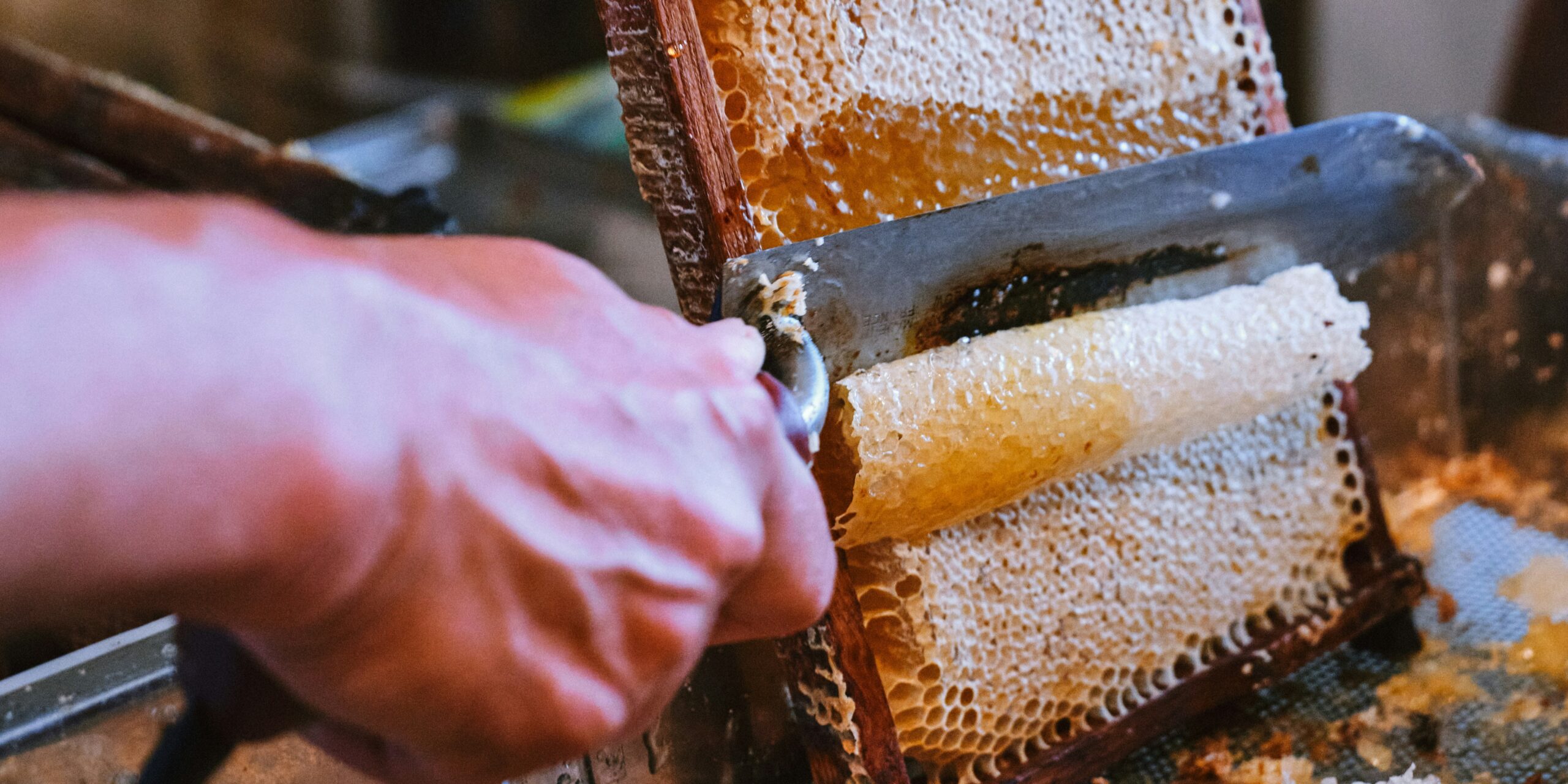
A surprising new product began to make waves in the beekeeping and culinary communities across parts of the eastern United States: lanternfly honey. This unique variety of honey is produced when bees collect sugary secretions from the invasive spotted lanternfly, an insect that has become notorious for its destructive impact on trees and crops. However, despite its status as an agricultural pest, the lanternfly has inadvertently sparked a new trend in artisanal honey production, leading to the emergence of this dark, flavorful honey that has caught the attention of both beekeepers and food enthusiasts alike.
The honey produced from the lanternfly secretions has been described by tasters as having an unusual and intriguing flavor profile. Unlike traditional floral honeys, which are often sweet and floral in taste, lanternfly honey carries distinct notes that have been compared to smoky, savory, or earthy flavors. The honey is darker in color, a characteristic that further sets it apart from its more familiar counterparts. These unique flavor notes have drawn attention from artisanal beekeepers, especially those in regions near Washington, D.C., and Pennsylvania, who are now producing and bottling small quantities of this honey as a seasonal specialty.
While lanternfly honey is still a novelty in the broader honey market, which remains dominated by more common floral varieties, its creation represents a fascinating intersection of environmental change and food innovation. The honey has sparked curiosity among niche consumers, many of whom are eager to explore new and unique flavors in the ever-evolving world of artisanal foods. Some enthusiasts have even compared its flavor to other rare honey varieties, suggesting that lanternfly honey may one day find a more permanent place in the world of gourmet and specialty foods.
The production of lanternfly honey also highlights how environmental shifts and invasive species can influence food trends in unexpected ways. In this case, the arrival of the spotted lanternfly, which is native to Asia but has rapidly spread throughout parts of the United States, has created an unlikely source of inspiration for beekeepers. The insect’s tendency to excrete a sugary substance, which bees readily collect, has led to the production of honey that would not otherwise exist without the lanternfly’s presence.
Despite its intriguing flavor, experts caution that lanternfly honey is still very much a niche product, with production remaining limited and its long-term viability uncertain. The honey’s unusual aroma and flavor profile may not appeal to all consumers, and its availability is likely to remain seasonal. However, as beekeepers experiment with this new honey and consumers continue to explore unusual flavors, lanternfly honey could carve out a lasting place in the world of specialty food products.
The development of lanternfly honey underscores the broader trend of how invasive species and environmental changes can shape the food industry in surprising ways. While the spotted lanternfly continues to be a pest in many regions, its impact on beekeeping has inadvertently created a unique opportunity for producers to craft a honey that is both a response to an environmental challenge and a product of curiosity and innovation.
As beekeepers in the affected regions continue to experiment with lanternfly honey, it will be interesting to see whether this seasonal specialty grows in popularity or remains a rare curiosity. Either way, it’s clear that this new honey variety has added another layer of complexity and intrigue to the already diverse world of honey production.
Read Also: https://goldenstatereview.com/californias-fermented-food-movement-gains-momentum/
