




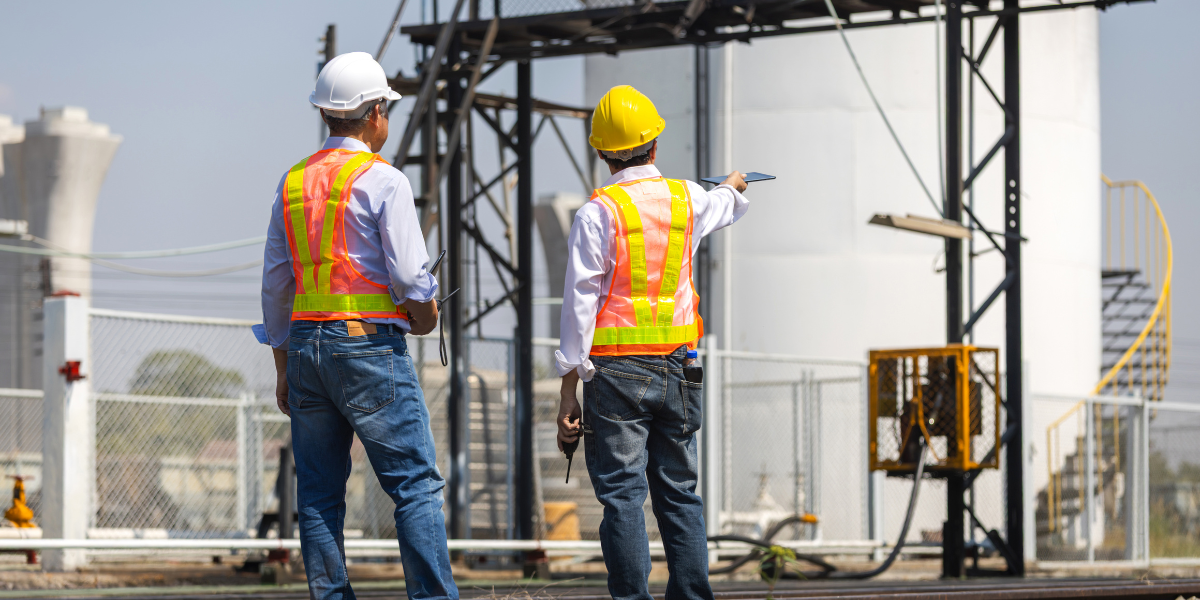
On March 30, 2026, California’s long-developing high-speed rail project reached a significant construction milestone, marking one of the most substantial advancements in the state’s infrastructure efforts in recent years. Officials confirmed that a key stretch of track in the Central Valley has entered its final phase of installation, signaling measurable progress toward connecting major regions across the state with faster, more efficient rail service.
The latest development focuses on a segment spanning parts of Fresno and Bakersfield, an area long identified as a critical backbone for the broader system. Construction crews have completed major grading, bridge work, and viaduct structures, allowing track-laying operations to accelerate. This progress places the project closer to its initial operational goals, which aim to deliver a functional high-speed rail line linking key Central Valley cities before expanding outward to larger metropolitan areas.
The high-speed rail initiative has been one of California’s most ambitious infrastructure undertakings. Designed to eventually connect San Francisco to Los Angeles in under three hours, the system promises to reshape how residents and visitors travel across the state. While earlier phases of the project faced delays and cost concerns, recent updates suggest improved coordination, stronger contractor performance, and more consistent funding streams have helped stabilize construction timelines.
State transportation officials emphasized that reaching this milestone reflects years of planning, engineering, and on-the-ground work. More than 50 major structures, including overpasses, underpasses, and rail bridges, have now been completed across the Central Valley corridor. These structures are essential to ensuring the rail line can operate safely at high speeds while integrating with existing roadways and agricultural land.
Beyond construction progress, the project continues to have a measurable economic impact. Thousands of jobs have been created in the region, ranging from skilled construction roles to engineering and project management positions. Local businesses have also benefited from increased demand for materials, services, and logistics support. For communities in the Central Valley, the rail project has become both an infrastructure upgrade and an economic driver.
Environmental considerations remain a central component of the project’s design and implementation. The high-speed rail system is expected to reduce greenhouse gas emissions by offering an alternative to car and air travel for long-distance trips within the state. Electric-powered trains are projected to significantly lower the carbon footprint associated with transportation, aligning with California’s broader sustainability goals.
In addition to environmental benefits, the system is expected to improve regional connectivity. Cities that were previously separated by lengthy travel times could become more accessible, encouraging tourism, business travel, and cultural exchange. For example, travelers from Southern California may eventually find it easier to explore destinations in Northern California and vice versa, potentially boosting local economies and tourism industries statewide.
Despite these advantages, the project has faced scrutiny over the years, particularly regarding costs and timelines. However, recent construction updates indicate that project management strategies have evolved. Improved oversight, refined budgeting practices, and phased development approaches have contributed to more predictable progress. Officials noted that while challenges remain, the current trajectory demonstrates that large-scale infrastructure projects can regain momentum with sustained focus and adaptation.
The Central Valley segment remains the priority for initial service rollout. Once operational, it will serve as a testing ground for the broader system, allowing engineers and operators to refine performance before expanding to more densely populated regions. This phased approach is intended to ensure safety, reliability, and efficiency before full-scale implementation across the state.
Looking ahead, additional funding and continued collaboration between state agencies, contractors, and local communities will be crucial. As more segments reach completion, public interest and confidence in the project are expected to grow. The long-term vision of a connected, high-speed rail network remains a defining goal for California’s transportation future.
For residents and visitors alike, the project represents more than just a new way to travel. It reflects a broader commitment to modern infrastructure, sustainability, and economic development. As construction continues and milestones are achieved, California’s high-speed rail system is steadily transitioning from concept to reality.
