




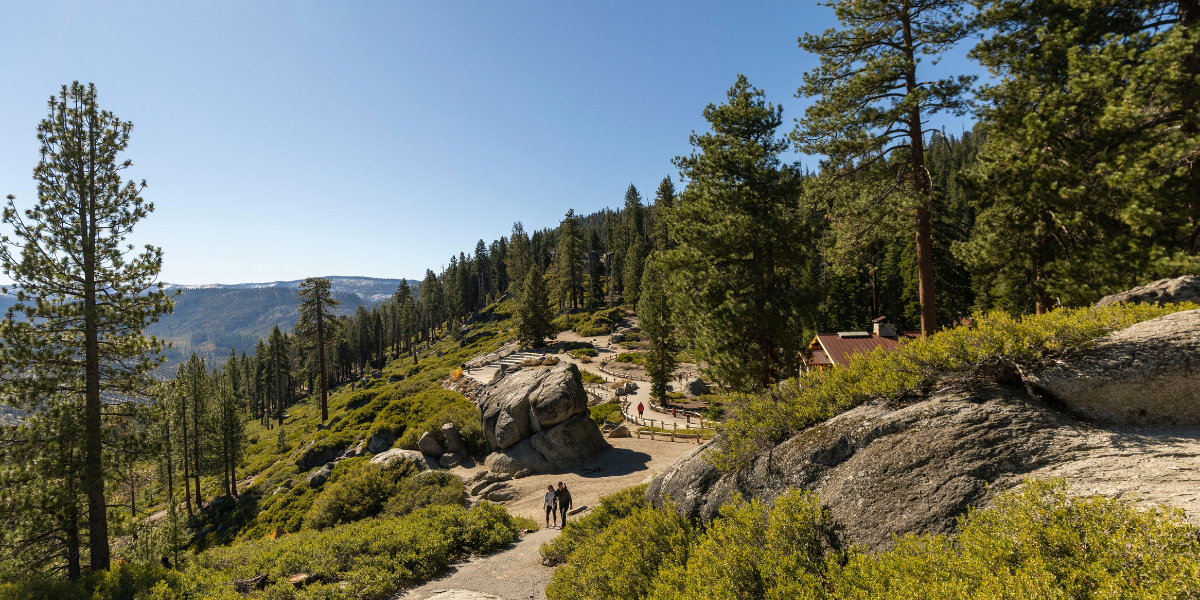
On April 6, 2026, officials at Yosemite National Park announced a significant expansion of the park’s reservation and visitor management system, a move aimed at addressing record-breaking tourism levels while preserving one of the United States’ most iconic natural landscapes. The updated access plan introduces new timed-entry reservations, expanded shuttle services, and enhanced visitor education programs ahead of the peak summer season.
The announcement follows several years of steadily increasing visitation, with Yosemite consistently ranking among the most visited national parks in the country. Park administrators reported that overcrowding during peak months has strained infrastructure, impacted wildlife habitats, and diminished visitor experiences. The newly unveiled measures are designed to balance public access with long-term environmental sustainability.
Under the updated system, visitors will be required to secure advance reservations during high-demand periods, particularly weekends and holidays. The timed-entry approach is intended to stagger arrivals throughout the day, reducing traffic congestion at park entrances and easing pressure on popular sites such as Yosemite Valley, Glacier Point, and Mariposa Grove. Officials noted that similar pilot programs implemented in previous years demonstrated measurable improvements in traffic flow and visitor satisfaction.
In addition to reservation requirements, the park is expanding its shuttle network to encourage reduced reliance on personal vehicles. New routes will connect gateway communities with key park destinations, providing more convenient and environmentally friendly transportation options. The initiative also includes upgraded signage, real-time traffic updates, and expanded digital tools to help visitors plan their trips more efficiently.
Park leadership emphasized that the changes are not meant to limit access but to improve the overall experience for both visitors and the natural environment. By controlling the volume and timing of entries, officials aim to reduce overcrowding at scenic viewpoints, hiking trails, and visitor centers. This approach also supports conservation efforts by minimizing habitat disruption and protecting sensitive ecosystems.
Local businesses and tourism operators in surrounding California communities are expected to play a key role in the transition. Many have already begun adapting to the new system by offering reservation assistance, guided tours, and transportation services aligned with the updated park policies. Industry groups have expressed cautious optimism, noting that while the system may require adjustment, it could ultimately lead to more consistent and sustainable tourism patterns.
Environmental experts have broadly supported the initiative, highlighting the importance of proactive management in preserving natural resources. Yosemite’s diverse ecosystems, ranging from ancient sequoia groves to alpine meadows, are particularly vulnerable to the impacts of heavy foot traffic and vehicle emissions. By implementing structured access controls, park officials aim to mitigate these risks while maintaining the park’s accessibility for future generations.
The expanded visitor management plan also includes a renewed focus on education and stewardship. Visitors will encounter updated informational materials emphasizing responsible recreation practices, such as staying on designated trails, properly disposing of waste, and respecting wildlife. Rangers and staff will be deployed throughout the park to provide guidance and ensure compliance with new regulations.
Technology plays a central role in the updated system. The park’s official website and mobile platforms now offer enhanced trip-planning tools, including reservation scheduling, live updates on crowd levels, and recommendations for less crowded areas. These digital resources are intended to empower visitors to make informed decisions and explore a broader range of park attractions.
Officials acknowledged that implementing such changes requires careful coordination and public cooperation. To support a smooth rollout, the park will conduct outreach campaigns across California and beyond, providing clear guidance on reservation procedures and travel planning. Feedback from visitors and stakeholders will also be incorporated into ongoing adjustments to the system.
The timing of the announcement reflects growing national attention on sustainable tourism practices. As outdoor recreation continues to gain popularity, parks across the United States are exploring similar strategies to manage demand while preserving natural and cultural resources. Yosemite’s approach is being closely watched as a potential model for other high-traffic destinations.
For visitors, the key takeaway is the importance of planning ahead. Securing reservations early, considering alternative travel dates, and utilizing shuttle services can significantly enhance the experience while supporting conservation efforts. The changes also present an opportunity to discover lesser-known areas within the park, offering a more tranquil and immersive connection with nature.
As Yosemite prepares for another busy season, the expanded access plan represents a proactive step toward balancing enjoyment and preservation. By combining technology, infrastructure improvements, and community collaboration, park officials aim to ensure that Yosemite remains both accessible and protected for years to come.
