




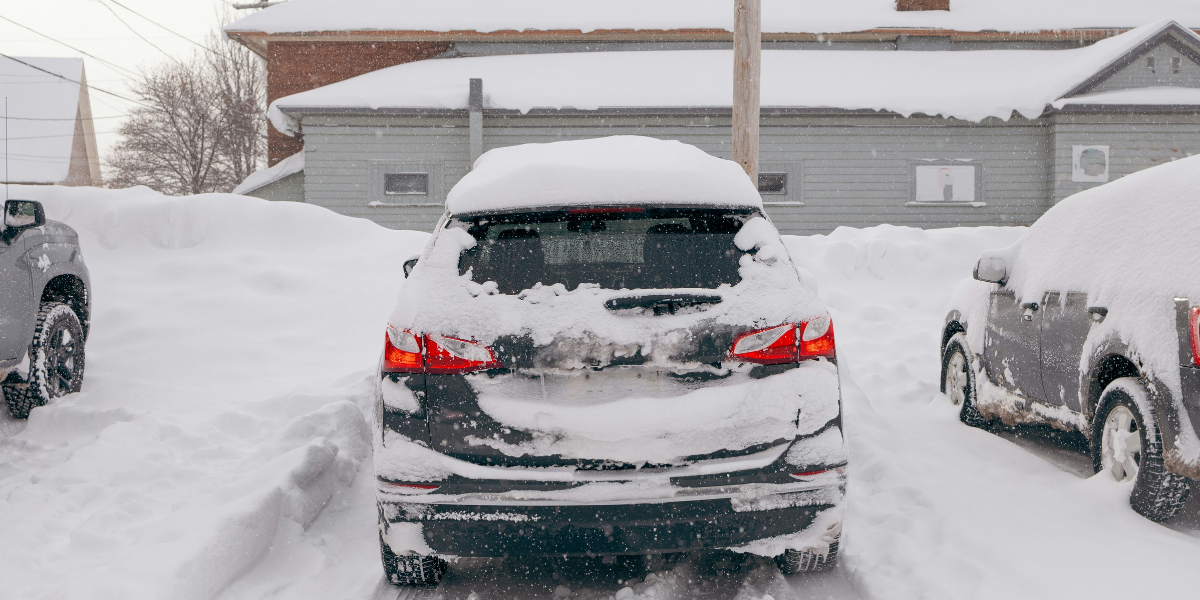
A powerful and widespread winter storm swept across California on Monday and Tuesday, February 16–17, 2026, bringing severe weather conditions that have disrupted travel, led to emergency warnings, and posed risks to public safety from the Los Angeles Basin to the Sierra Nevada. The storm’s combination of heavy rain, strong winds, and significant mountain snowfall represents one of the most intense winter systems of the season and has had substantial effects on communities, infrastructure and day‑to‑day life across the Golden State.
Storm Overview and Weather Impact
Beginning late Monday, a deep low‑pressure system moved into California from the Pacific Ocean, unleashing intense thunderstorms, high winds, heavy rainfall, and significant snowfall in mountainous regions. The National Weather Service issued flash flood warnings for parts of Los Angeles County and other Southern California communities, while millions of residents faced hazardous travel conditions as downpours and gusty winds battered roads and neighborhoods.
In the Sierra Nevada and other high elevations, some forecasts anticipated as much as up to eight feet of snow through the storm’s duration, creating potentially dangerous conditions for motorists, residents and recreational visitors. Portions of Interstate 80 near the Nevada border experienced closures due to spinouts and crashes, highlighting the extreme travel hazards posed by the storm system.
State and local authorities warned of the threat of flash flooding, mudslides and debris flows, especially in regions that had seen significant wildfire activity in recent years. Burn scars from past wildfires, particularly around Pacific Palisades and Sunset in the Los Angeles region, are more susceptible to soil instability, which can amplify storm impacts.
State and Local Responses
In response to the escalating hazards, Los Angeles Mayor Karen Bass mobilized emergency services and city departments to prepare for the storm’s impacts. Officials urged residents to stay informed, avoid unnecessary travel, and heed evacuation warnings in high‑risk areas. Emergency crews were placed on standby to address flooding, downed trees, and other storm‑related emergencies.
The California Department of Transportation (Caltrans) reported multiple road closures and traffic interruptions, including a large tree that fell across US‑101 in Santa Barbara County, shutting down lanes and prompting detours. These closures have hampered travel for commuters and freight traffic alike, emphasizing the storm’s reach into the state’s transportation infrastructure.
Coastal regions were also affected by elevated tides and dangerous surf conditions, with authorities issuing advisories for residents and visitors along the San Francisco Bay Area and other coastal communities. Beaches experienced strong wave action, and flood warnings were posted for low‑lying sections near the shore.
Economic and Community Impacts
The storm’s disruptions have had ripple effects across multiple sectors of California’s economy. Major amusement parks, including Six Flags Magic Mountain and Knott’s Berry Farm, closed temporarily due to hazardous conditions, impacting tourism and local employment. Meanwhile, ski resorts in mountain regions reported a surge in visitors eager to take advantage of the significant snow accumulation, offering a silver lining for winter recreation and associated revenue.
However, the broader economic costs linked to travel disruptions, road clean‑ups, weather‑related damage and emergency response efforts continue to mount. Local businesses in storm‑affected areas have experienced reduced foot traffic and logistical slowdowns, particularly in retail and service sectors that rely on consistent customer access. Emergency management agencies have emphasized that these impacts could persist until the storm fully passes later in the week.
Public Safety and Preparedness
Public safety officials have emphasized the importance of preparedness as storm conditions persist. Residents in areas prone to flooding or mudslides, particularly in regions recently affected by wildfires, have been encouraged to review evacuation routes, secure outdoor property, and stay updated via local weather alerts and official channels.
School districts and universities throughout the state have monitored conditions closely; some may adjust schedules or transportation plans to ensure student safety should severe weather intensify. Commuters are being reminded to factor in additional travel time, slow down on slick roads, and avoid flooded roadways entirely.
Environmental and Seasonal Context
The timing of this storm comes after a mixed winter pattern across much of the American West, where some areas experienced below‑average snowfall earlier in the season. This storm’s significance is amplified not only because of its unusual intensity but also because of its potential to alleviate drought conditions, replenish reservoirs, and boost snowpack, critical components for water resources in the spring and summer. However, the intensity and rapid onset of storm conditions bring tradeoffs, particularly regarding flood risk and travel safety.
Looking Ahead
Meteorologists forecast that the winter storm will continue to influence California’s weather through mid‑week, with additional precipitation and gusty winds expected. Officials across municipalities and counties have urged residents and travelers to stay vigilant, plan ahead, and prioritize safety as the state grapples with one of its more significant winter weather events of the season.
As California contends with the storm’s ongoing impacts, the experience underscores the importance of coordinated emergency response, resilient infrastructure planning, and community preparedness, especially in a state shaped by diverse and sometimes extreme climate conditions.
