
California Signs New Laws To Expand Electric Vehicle Charging And Consumer Access

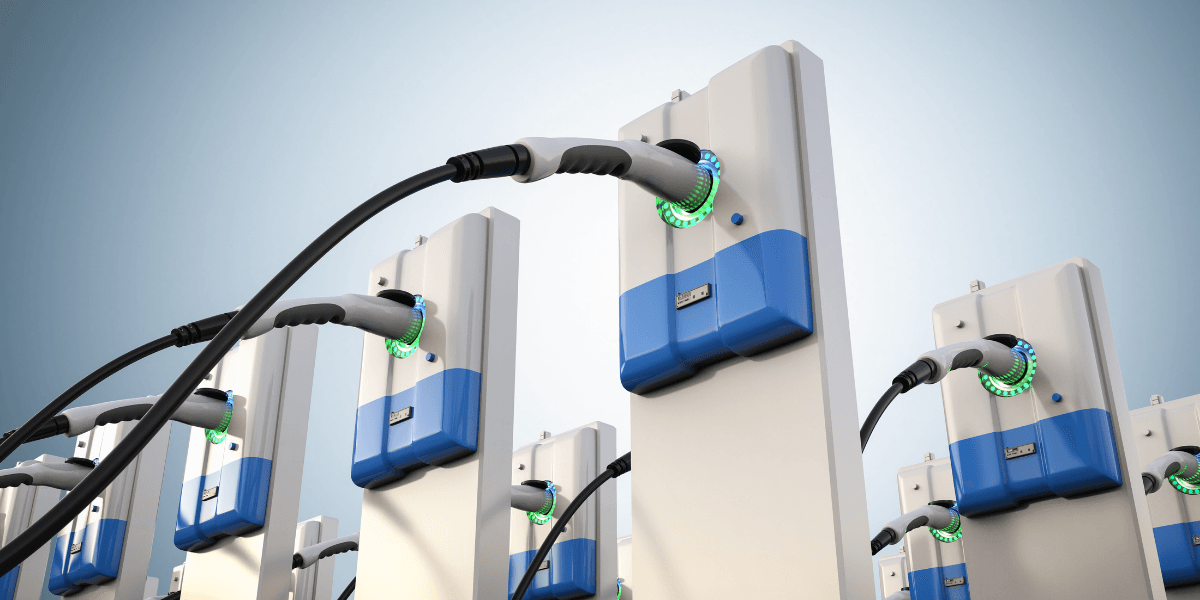
California approved new laws on September 20 aimed at expanding electric vehicle charging and improving access to clean transportation.
For many California drivers considering an electric vehicle, the decision can depend on something surprisingly simple: whether a reliable charger is available where they live, work, or travel. On September 20, 2026, California took another policy step aimed at addressing that concern. Governor Gavin Newsom signed a package of legislation designed to make electric vehicle charging infrastructure easier to deploy while expanding transportation options for consumers across the state.
The package includes six measures: Senate Bill 969, Senate Bill 1283, Assembly Bill 1820, Senate Bill 1213, Senate Bill 1267, and Senate Bill 615. Together, the laws address several parts of California's electric vehicle transition, including charger deployment, infrastructure planning, permitting, consumer access, and the long term management of electric vehicle batteries.
California Targets A Persistent Charging Challenge
California has spent years encouraging the adoption of electric vehicles, but expanding the number of vehicles on the road also creates a practical infrastructure challenge. Drivers need convenient places to charge, and new charging stations can require coordination among utilities, property owners, local governments, contractors, and permitting agencies.
The September 20 legislation seeks to address parts of that process. According to the Governor's Office, the measures are intended to make charging infrastructure more affordable, accessible, and easier to build. The package also seeks to increase consumer choice as California continues developing its clean transportation system.
One part of the legislation focuses on improving the process for installing electric vehicle charging stations. Faster and more predictable deployment could become increasingly important as additional electric vehicles enter the state's transportation system. Charging availability remains particularly significant for people who cannot easily install a charger at home, including many apartment and condominium residents.
The policies also arrive as California continues investing in a transportation network that must serve a large and geographically diverse population. Charging needs can differ substantially between dense urban neighborhoods, suburban communities, highway corridors, workplaces, and rural areas. Building an effective network therefore involves more than simply increasing the total number of chargers.
New Rules Cover More Than Charging Stations
The legislation also addresses what happens to electric vehicle batteries after their automotive use ends. Senate Bill 615 establishes requirements connected with the management of vehicle traction batteries. Battery management has become an increasingly important policy issue as the number of electric vehicles grows and more batteries eventually reach the end of their useful life in cars and trucks.
Other measures within the package address the systems that support charging deployment and consumer access. The broader objective is to reduce barriers that can delay infrastructure projects while creating a clearer framework for California's expanding electric transportation market.
The measures reflect the practical side of a major technological transition. Purchasing an electric vehicle is only one part of the equation for consumers. Drivers also need charging infrastructure that is available when and where they need it. Utilities need to plan for electricity demand, while communities must consider where chargers should be located and how new installations fit into existing infrastructure.
For businesses and property owners, clearer processes may also influence decisions about installing chargers at commercial properties, workplaces, apartment buildings, and other locations. The precise effect will depend on how individual provisions are implemented and how state agencies, utilities, and local governments respond to the new requirements.
What The New Laws Mean For California Drivers
The immediate impact will not necessarily be visible overnight. Signing legislation establishes new requirements and policies, but infrastructure development takes time. Chargers must still be planned, approved, connected, installed, and maintained. Implementation timelines can also vary depending on the individual law.
For consumers, the most important development is the state's effort to address charging access as part of transportation policy rather than focusing only on vehicle purchases. Reliable charging is central to the everyday practicality of electric vehicle ownership, especially for drivers who regularly travel long distances or lack private charging at home.
The legislation could also affect communities preparing for greater electricity demand from transportation. Expanding charging infrastructure requires coordination with the electrical grid, making planning an important part of California's broader transportation strategy.
A Policy Shift Californians Can Watch Closely
California's September 20 legislation represents another stage in the state's effort to build infrastructure around electric transportation. Rather than concentrating on a single program, the six bill package addresses several interconnected issues, from installing chargers to managing batteries after automotive use.
For Californians, the key question now is how effectively those policies translate into practical changes. Charger availability, installation timelines, reliability, geographic coverage, and accessibility will provide tangible measures of how the new framework affects everyday drivers.
Residents considering an electric vehicle should continue evaluating charging options in their own communities because infrastructure availability can differ considerably by location. Businesses, property owners, and local communities can also watch for implementation guidance as the new requirements take effect.
The September 20 package does not resolve every challenge surrounding California's electric vehicle transition. It does, however, show where state transportation policy is placing increasing attention: on the infrastructure and systems needed to make electric vehicles practical for a broader range of drivers.

Golden State Review Contributor
Golden State Review Contributor
This article features branded content from a third party. Opinions in this article do not reflect the opinions and beliefs of Golden State Review.
This article features partner, contributor, or branded content from a third party. Members of the Golden State Review editorial staff were not involved in the creation of this content. All views and opinions are those of the contributor alone.