




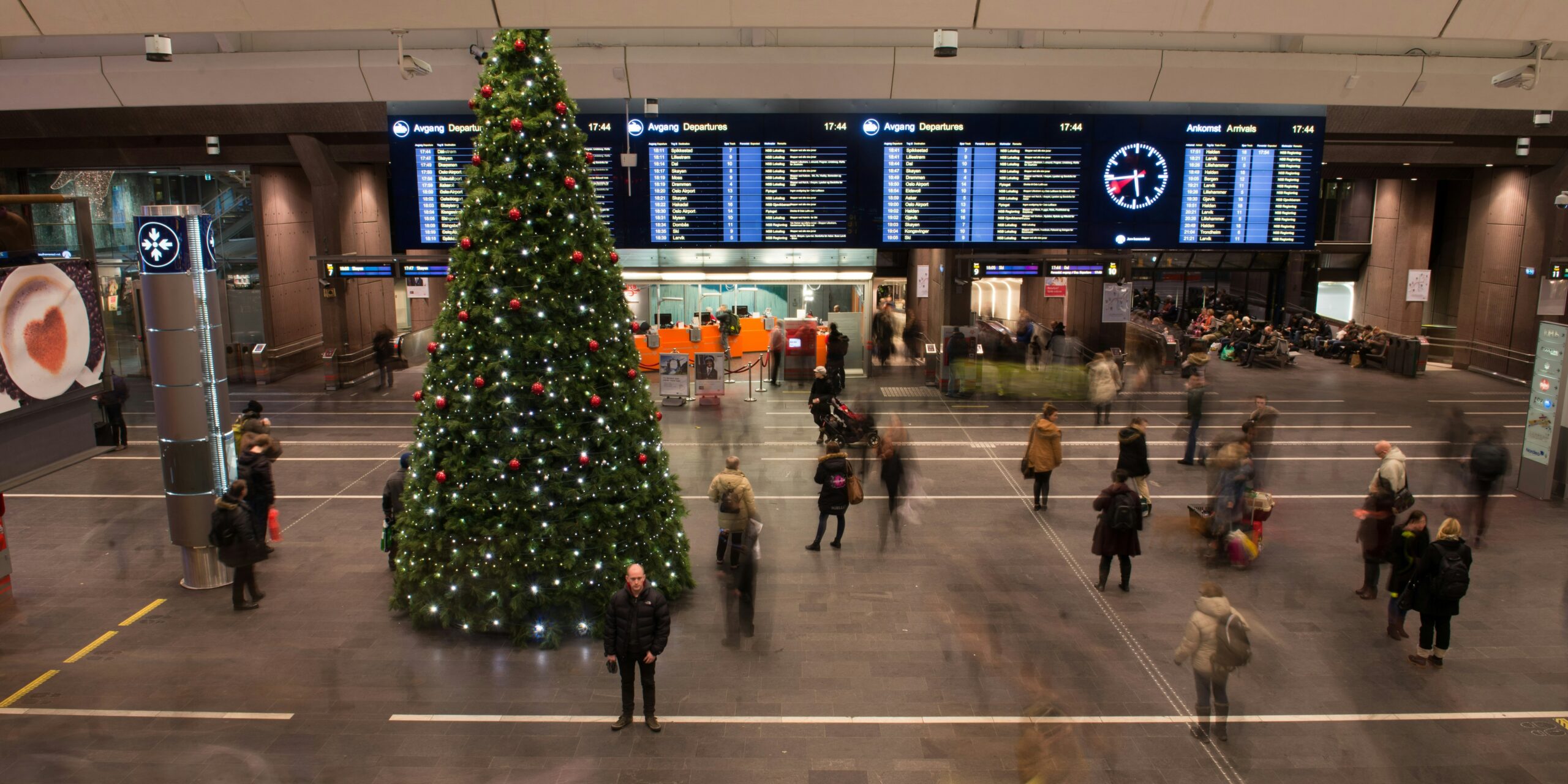
The winter holiday season is in full swing, and across the country, travel activity has surged as millions of Americans head home to celebrate with loved ones. On December 19, the first major wave of holiday movement kicked off what transportation analysts expect to be one of the busiest travel seasons in recent history. Airports, highways, train stations, and bus terminals reported significant increases in volume as travelers began their year-end journeys.
According to projections from national travel and transportation groups, a record-setting 122 million Americans are expected to travel between December 20 and January 1. This figure represents a substantial jump from previous years and reflects both a rebound in holiday-related travel and renewed consumer confidence despite lingering economic uncertainty. With more people prioritizing in-person gatherings, the 2025–2026 season is shaping up to be a landmark in post-pandemic mobility trends.
The vast majority of travelers, approximately 89 percent, are expected to travel by car. Lower gas prices compared to last year have made road trips a more accessible option for families and individuals planning cross-state journeys. In addition to affordability, many travelers cite flexibility and convenience as key reasons for choosing to drive rather than fly, especially for regional or mid-range trips.
Nonetheless, air travel is also experiencing a major uptick. An estimated 8 million passengers are expected to fly domestically over the holiday period, marking the highest number ever recorded during the winter season. Airlines have responded to the demand by increasing flight capacity and offering expanded routes to key destinations, including popular leisure spots and major metropolitan areas. Travelers passing through airports in New York, Chicago, Atlanta, Los Angeles, and Dallas reported long lines and full flights, a trend that is expected to continue through New Year’s.
Trains, buses, and rental car services are also seeing significant usage. Intercity travel via Amtrak and major bus lines has grown in popularity, particularly among budget-conscious travelers and those without access to personal vehicles. The cruise industry, which faced years of uncertainty, is also reporting higher winter bookings as travelers seek warm-weather holiday alternatives in the Caribbean and beyond.
This resurgence in mobility marks a pivotal moment for the broader travel and hospitality industries. Travel experts point to the strong turnout as a sign of resilience and recovery, noting that consumers are eager to make up for time lost during the pandemic years. Hotels, resorts, restaurants, and tourist attractions across the country are benefiting from the seasonal influx, with many locations reporting full bookings and increased customer traffic. The surge is also supporting employment in these sectors, offering seasonal job opportunities and bolstering local economies.
Yet, with this growth comes a host of logistical challenges. Transportation officials have issued advisories warning of potential delays and heavy congestion, particularly on major highways and at key airport hubs. Winter weather is another concern, with meteorologists forecasting a mix of snowstorms, rain, and icy conditions in several parts of the country. These environmental factors could complicate travel plans, particularly in the Midwest and Northeast, where holiday traffic and inclement weather often collide.
To mitigate these risks, transportation agencies are urging travelers to plan ahead, monitor weather forecasts, and leave additional time for transit. Airlines have expanded customer support operations and implemented more flexible rebooking policies in anticipation of weather-related disruptions. Highway patrol and traffic management teams are also increasing their presence to handle the expected rise in vehicular traffic and ensure road safety.
Beyond the practical implications, the current wave of holiday travel holds cultural significance as well. After years of social distancing and canceled plans, many Americans are prioritizing family gatherings and holiday traditions. Surveys indicate that emotional factors — such as reconnecting with distant relatives or reuniting with friends — are key motivators for travel this season, sometimes even outweighing concerns over cost or inconvenience.
Despite inflationary pressures and ongoing debates about the strength of the U.S. economy, consumers appear willing to spend on experiences that bring people together. Analysts note that while some travelers are tightening budgets in areas like lodging or dining, they are not forgoing travel entirely. Instead, many are adapting by shortening trip lengths, staying with relatives, or choosing less expensive destinations.
Looking ahead, the busiest travel days are expected to continue through December 23, with another peak likely to occur in the days following Christmas as travelers return home. Transportation experts advise avoiding travel on these high-volume days if possible or considering off-peak travel times for a smoother experience. While Christmas Day itself may offer a brief reprieve in congestion, New Year’s weekend is expected to bring another wave of movement.
As millions take to the roads and skies this season, the 2025–2026 winter holidays are shaping up to be a defining chapter in America’s ongoing return to pre-pandemic mobility. From bustling terminals to crowded highways, the surge in travel reflects a renewed commitment to connection and celebration — and a continued evolution in how Americans move across the country during the most festive time of the year.
