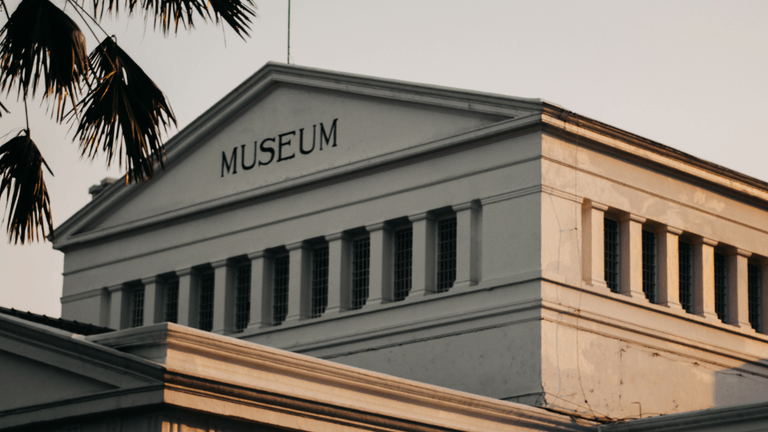
Met Gala 2026 Highlights Fashion as Fine Art in Landmark Cultural Event

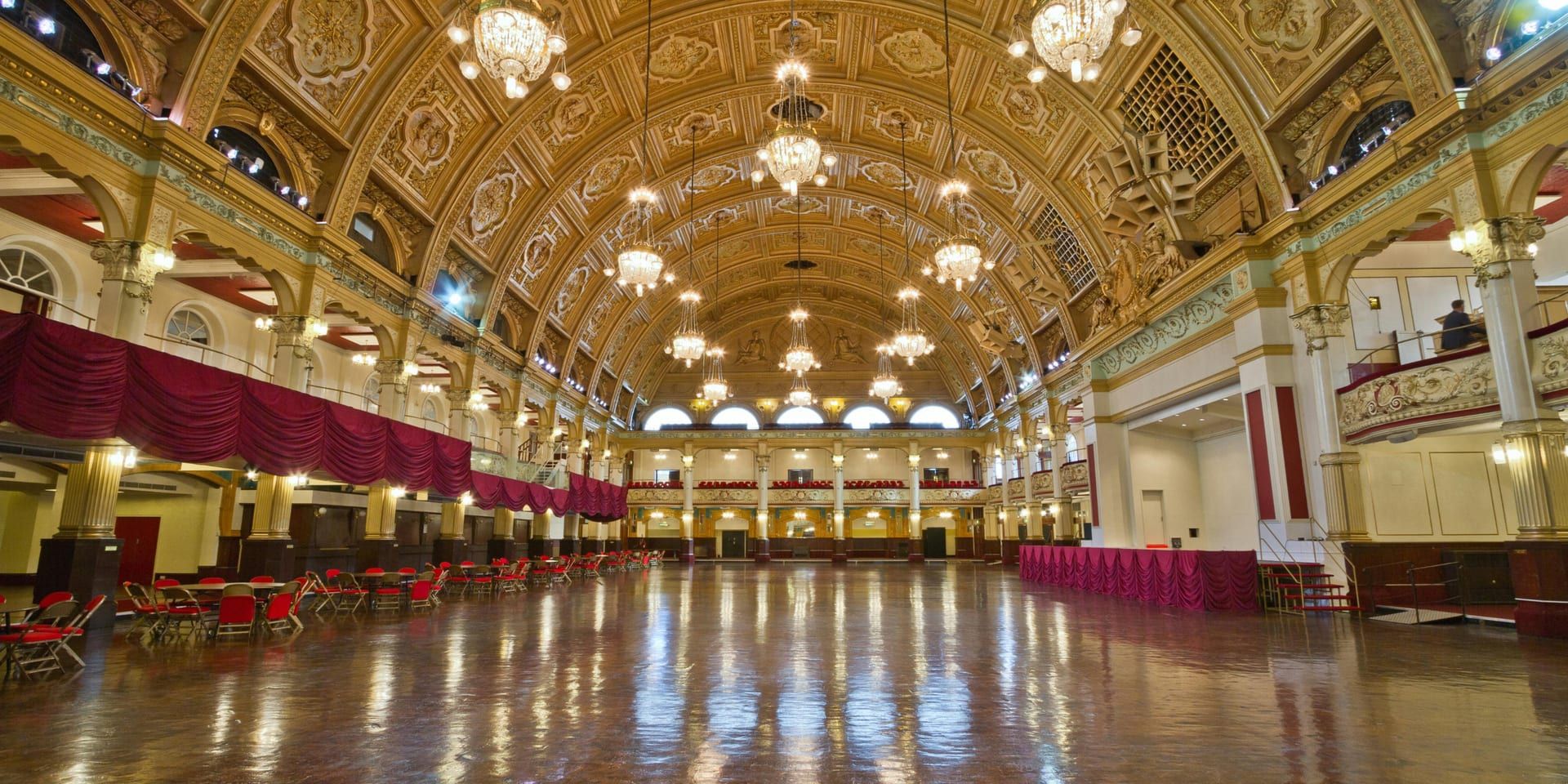
One of the United States’ most prominent cultural events, the Met Gala, returned to the Metropolitan Museum of Art in New York City, drawing global attention for its ambitious theme and evolving role at the intersection of fashion, art, and philanthropy. Widely regarded as the fashion industry’s most prestigious evening, this year’s gala marked a notable shift in both scope and presentation, underscoring its growing cultural and economic influence.
A New Theme and Expanded Vision
The 2026 Met Gala centered on the theme “Costume Art,” with a complementary dress code, “Fashion Is Art,” encouraging attendees to interpret clothing as a form of artistic expression. This thematic direction reflects a broader institutional effort to elevate fashion within the realm of fine art, positioning garments alongside traditional artistic media such as painting and sculpture.
A key highlight of this year’s event was the unveiling of the newly named Condé Nast Galleries, an expanded exhibition space within the museum’s Costume Institute. The exhibition tied to the gala will remain on display for approximately nine months, significantly longer than previous installations, allowing a wider audience to engage with the collection.
The exhibition itself is notable for its scale, featuring hundreds of pieces spanning centuries of global fashion history. It places particular emphasis on how clothing has been used to express identity, including representations of diverse cultures and communities in art and design. This approach signals a growing recognition of fashion as both a historical document and a medium of storytelling.
Star Power and Cultural Influence
As in past years, the gala attracted a high-profile guest list that included leading figures from entertainment, sports, and fashion. Among the co-chairs were globally recognized artists and public figures alongside longtime organizer Anna Wintour, reflecting the event’s continued reliance on influential personalities to shape its cultural narrative.
The presence of figures across multiple industries underscores the event’s role as more than a fashion showcase. It has become a platform for cross-industry collaboration, where art, celebrity, and philanthropy converge. Major brands and corporate sponsors also participated by supporting the museum’s fundraising efforts, reflecting the gala’s increasing alignment with broader business and cultural ecosystems.
Ticket prices for the 2026 gala reached new heights, with individual seats reportedly costing tens of thousands of dollars and tables priced significantly higher. These figures highlight both the exclusivity of the event and its critical role in funding the Costume Institute, which remains the only department at the Metropolitan Museum of Art that is entirely self-funded.
Economic and Cultural Significance
Beyond its red-carpet appeal, the Met Gala has a measurable impact on New York City’s economy and the global fashion industry. The event generates substantial revenue for the museum while also driving tourism, media coverage, and retail interest. Designers often use the gala as a stage to debut innovative concepts, which can influence fashion trends worldwide.
In 2026, the gala’s extended exhibition and emphasis on artistic interpretation signal a strategic effort to broaden its educational and cultural reach. By framing fashion as a serious artistic discipline, the Costume Institute is positioning itself as a leading authority in both historical scholarship and contemporary design.
This shift aligns with a broader trend in museums and cultural institutions seeking to engage younger and more diverse audiences. The integration of digital platforms, livestream coverage, and social media engagement has further expanded the gala’s accessibility, allowing millions of viewers worldwide to participate virtually.
Key Takeaways for Readers
Several important insights emerge from the 2026 Met Gala:
Fashion as Art: The event reinforces the idea that fashion is not merely commercial or aesthetic but also deeply connected to cultural identity and artistic expression.
Institutional Innovation: The introduction of expanded gallery space and a longer exhibition timeline reflects how cultural institutions are adapting to modern audiences and expanding their influence.
Economic Impact: With record-breaking ticket prices and increased corporate involvement, the gala continues to serve as a major fundraising engine and economic driver.
Cross-Industry Collaboration: The participation of figures from multiple sectors highlights the increasingly interconnected nature of cultural production.
Looking Ahead
As cultural institutions across the United States continue to evolve, the Met Gala stands out as a reflection of how art and public engagement are being redefined. Its emphasis on inclusivity, artistic depth, and global reach suggests a future in which fashion plays an even more central role in cultural discourse.
For readers in California and beyond, the gala’s influence extends far beyond New York. It shapes design trends, inspires creative industries, and offers a lens through which to understand the evolving relationship between art, identity, and society.
In that sense, the Met Gala 2026 is not just a high-profile event, it is a reflection of broader cultural shifts taking place across the United States and the world.

Golden State Review Contributor
Golden State Review Contributor
This article features branded content from a third party. Opinions in this article do not reflect the opinions and beliefs of Golden State Review.
This article features partner, contributor, or branded content from a third party. Members of the Golden State Review editorial staff were not involved in the creation of this content. All views and opinions are those of the contributor alone.