




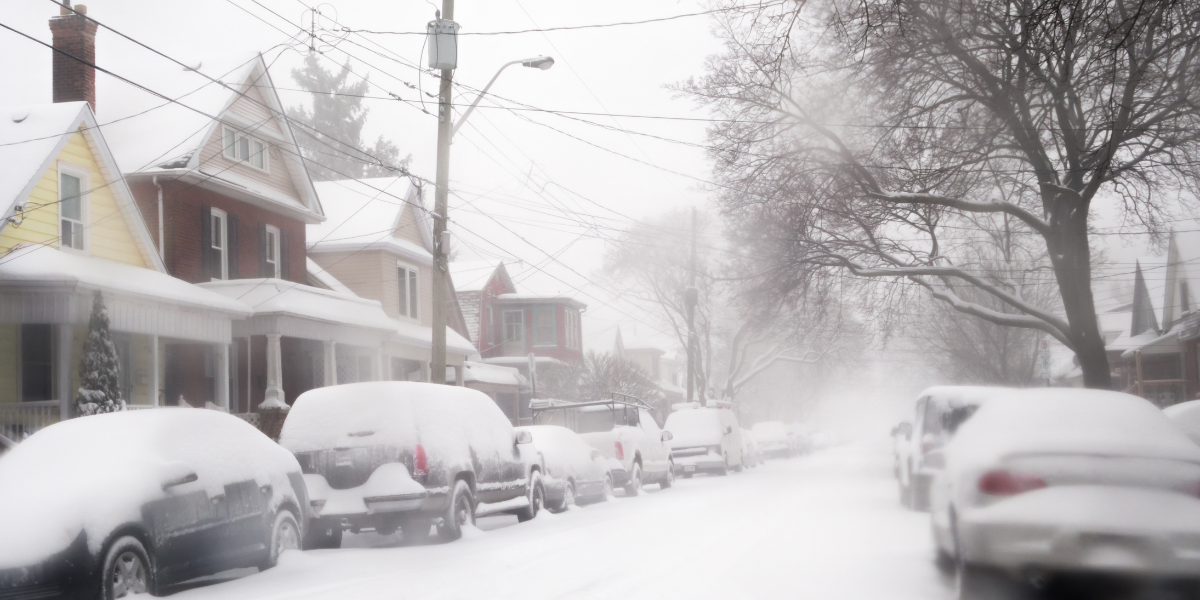
A significant winter storm struck California on Sunday, February 15, 2026, bringing heavy rain, flooding warnings, gusty winds, and substantial snow to many parts of the state. The storm not only underscored the challenges homeowners and local authorities face during the wet season but also revealed the resilience of communities working to keep Californians safe amid rapidly changing weather conditions.
Statewide Impact: From Coastline to Mountain Peaks
The powerful system delivered dangerous thunderstorms and high winds from Southern California through the Central Coast and into the Sierra Nevada range. Millions of residents, including those in Los Angeles County, were placed under flash flood warnings, particularly in regions with scorched soils from prior wildfires that are prone to mudslides and debris flows.
Travel across the state became hazardous. Interstate 80 near the Nevada border saw extensive closures due to spinouts and accidents caused by treacherous conditions, while in Santa Barbara County, downed trees blocked southbound lanes of U.S. 101, highlighting how quickly weather events can disrupt major transportation corridors.
High snowfall, as much as 8 feet (about 2.4 meters), was anticipated for parts of the Sierra Nevada and Shasta County by midweek, likely complicating travel further and prompting preparedness efforts from Caltrans and emergency services.
Local Government Response and Preparedness
In response to the deteriorating conditions, local officials took proactive measures. Los Angeles Mayor Karen Bass directed emergency crews to stay ready for potential impacts, including rescue operations and clearing storm damage. Emergency management teams across the state stepped up monitoring and response efforts as the storm moved through.
Residents in fire‑scarred environments were urged to take mudslide and flooding threats seriously, as saturated slopes dramatically increase the risk of dangerous runoff. These weather events serve as reminder of the ongoing need for comprehensive disaster planning, especially in wildfire‑prone regions.
Effects on Everyday Life and Outdoor Activities
The storm’s reach extended beyond safety concerns, it affected daily life and local recreation. Major attractions and theme parks, including Six Flags Magic Mountain and Knott’s Berry Farm, closed their gates in response to dangerous weather, disrupting weekend outings for thousands of visitors.
Meanwhile, ski resorts in the Sierra Nevada welcomed the heavy snowfall after a persistent dry spell. This influx of snow was a welcome development for winter sports enthusiasts and resort operators alike, offering improved conditions after years of below‑average snowpack that had impacted water‑supply forecasts and recreational tourism.
Travel and Transportation Challenges
The storm’s timing had major implications for regional travel, as motorists faced slick highways and falling trees that led to closures and delays. With snow expected to continue falling across mountain passes well into the week, drivers were encouraged to plan ahead, carry safety gear, and monitor updates from the California Highway Patrol and local transportation agencies.
Air travel was also impacted by the severe weather, with airports in affected regions reporting delays due to rain‑soaked runways and low visibility, an increasingly common challenge in winter weather months.
Broader Significance for California Residents and Visitors
This powerful winter storm highlights several trends and realities for Californians:
- Weather variability: The storm illustrated how quickly conditions can shift from dry to severe, even in regions better known for sunshine and mild winters.
- Infrastructure strain: Mudslide risks and downed power lines during storms test the limits of existing public works and emergency systems.
- Tourism and recreation: While weather closures disrupt some outdoor plans, heavy snow boosts winter tourism at mountain resorts, a complex duality other parts of the state don’t experience during rainfall seasons.
Looking Ahead
Californians are likely to see continued unsettled weather as this storm moves through the state over the coming days. Residents planning travel or outdoor activities, from snow sports in the Sierras to hikes along coastal trails, are advised to stay alert to forecasts and advisories from the National Weather Service and local authorities.
For visitors and locals alike, the late‑winter storm serves as both a reminder of California’s climatic diversity and a call to respect the state’s dynamic environmental conditions. With adequate preparation and awareness, communities can meet these challenges while preserving safety and enjoyment of the Golden State’s vast natural offerings.
