



April 11, 2026 brings renewed momentum across San Francisco and the broader California region, as spring tourism, cultural programming, and local business growth converge to shape one of the state’s most active seasonal periods. With improving travel demand, a steady flow of community events, and increased interest in lesser-known destinations, California continues to reinforce its position as a leading hub for lifestyle, culture, and economic activity.
In San Francisco, tourism officials report a noticeable uptick in visitor numbers compared to earlier months of the year. Landmarks such as the Golden Gate Bridge and Fisherman’s Wharf remain central attractions, but recent data suggests that travelers are increasingly seeking more localized and immersive experiences. According to the San Francisco Travel Association, visitors are showing greater interest in neighborhood-based exploration, including districts like the Mission, Hayes Valley, and Outer Sunset, where independent businesses and cultural diversity offer a more personalized view of city life.
This shift is also influencing the local economy. Small businesses, particularly in retail and hospitality, are benefiting from increased foot traffic as both tourists and residents prioritize community-focused spending. Reports from the California Office of Tourism indicate that local spending across key California regions has risen steadily in early 2026, driven in part by seasonal travel and a growing preference for experiential activities over traditional sightseeing.
Beyond San Francisco, other parts of California are gaining attention as underrated travel destinations. Areas such as Mendocino, Paso Robles, and Ojai are seeing increased visitor interest for their blend of natural beauty, culinary offerings, and slower-paced environments. Travel analysts note that these locations appeal to individuals seeking alternatives to larger urban centers, particularly for weekend getaways and short-term retreats (Visit California, 2026).
Cultural events are another driving force behind California’s spring resurgence. In San Francisco, art galleries, live performances, and seasonal festivals are drawing consistent attendance. Institutions such as the San Francisco Museum of Modern Art and community-based arts organizations continue to host exhibitions that highlight both international and local artists. These events contribute to the city’s identity as a global cultural center while supporting creative industries and tourism simultaneously.
Meanwhile, California’s food and lifestyle scene continues to evolve. The state’s emphasis on sustainability and locally sourced ingredients is evident in the growing number of farm-to-table restaurants and seasonal markets. According to industry insights from the National Restaurant Association, consumer demand for fresh, regionally inspired cuisine remains strong in 2026, with California often setting national trends in dining and food innovation.
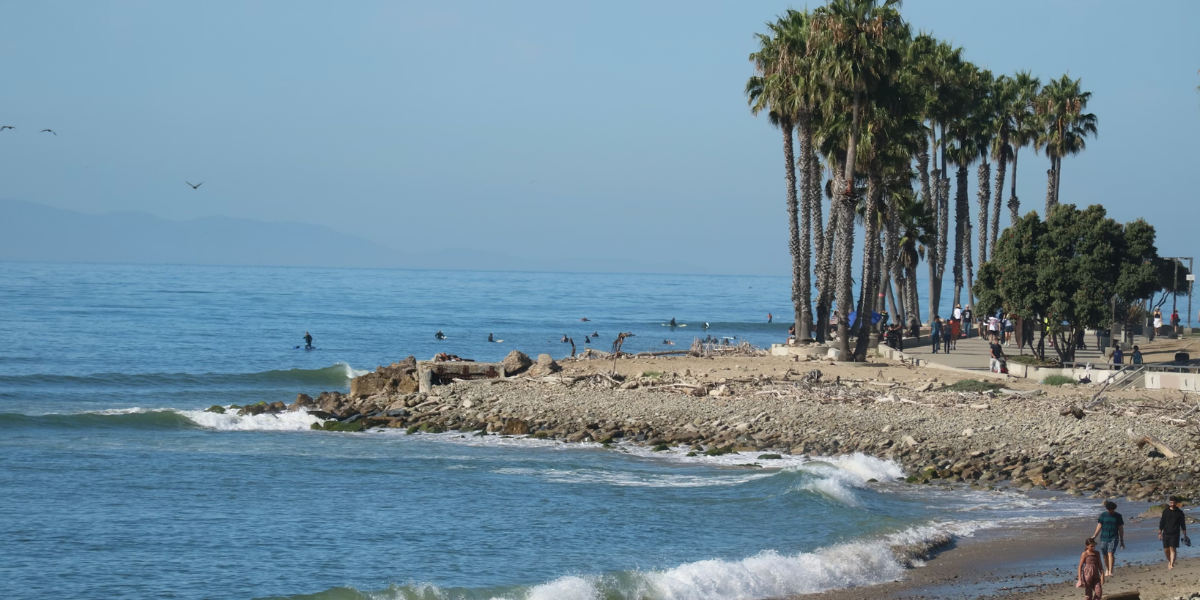
Lifestyle trends also point toward increased outdoor engagement. From coastal hikes along Big Sur to urban green spaces like Golden Gate Park, Californians and visitors alike are embracing activities that combine wellness with exploration. This aligns with broader national trends emphasizing health-conscious living and nature-based experiences (Outdoor Industry Association, 2025).
In the business sector, California continues to demonstrate resilience and adaptability. San Francisco’s technology and startup ecosystem remains active, while small and mid-sized enterprises across the state are leveraging tourism and local engagement to drive growth. Analysts from the California Chamber of Commerce highlight that consumer confidence and steady travel demand are key factors supporting economic activity in early 2026.
Transportation developments are also playing a role in shaping accessibility. Expanded regional transit options and improved infrastructure are making it easier for travelers to move between cities and attractions. These improvements support not only tourism but also daily commuting and regional connectivity, contributing to overall economic efficiency.
Key takeaways from current developments across San Francisco and California include the rise of neighborhood-focused travel, growing interest in lesser-known destinations, and the continued importance of culture and sustainability in shaping visitor experiences. As spring progresses, these trends are expected to strengthen, offering both residents and visitors a dynamic and evolving view of California living.
With its combination of iconic landmarks, emerging travel hotspots, and vibrant cultural offerings, California remains a leading destination for those seeking a balance of exploration, lifestyle, and community-driven experiences.
