




In a powerful and symbolic start to 2026, Zohran Mamdani was sworn in as the 112th mayor of New York City on January 1, making history as the first Muslim and Asian American to hold the city’s highest office. The inauguration took place in the early hours of the new year at the Old City Hall subway station beneath Manhattan, a location rich in architectural and historical significance. The underground setting reflected Mamdani’s deep connection to the city’s infrastructure and his campaign’s grassroots ethos, signaling a break from tradition and a new direction in leadership for America’s largest metropolis.
Accompanied by his wife, Rama Duwaji, Mamdani took the oath of office shortly after midnight with a hand placed on a centuries-old Quran, surrounded by a small group of family members, close aides, and supporters. The modest ceremony emphasized the personal and political symbolism of his rise — from a child of immigrants to a mayor leading a city known for its diversity, resilience, and complexity. The moment marked a significant milestone not just for New York, but for the United States, as Mamdani joins a growing but still small group of Muslim Americans elected to executive office.
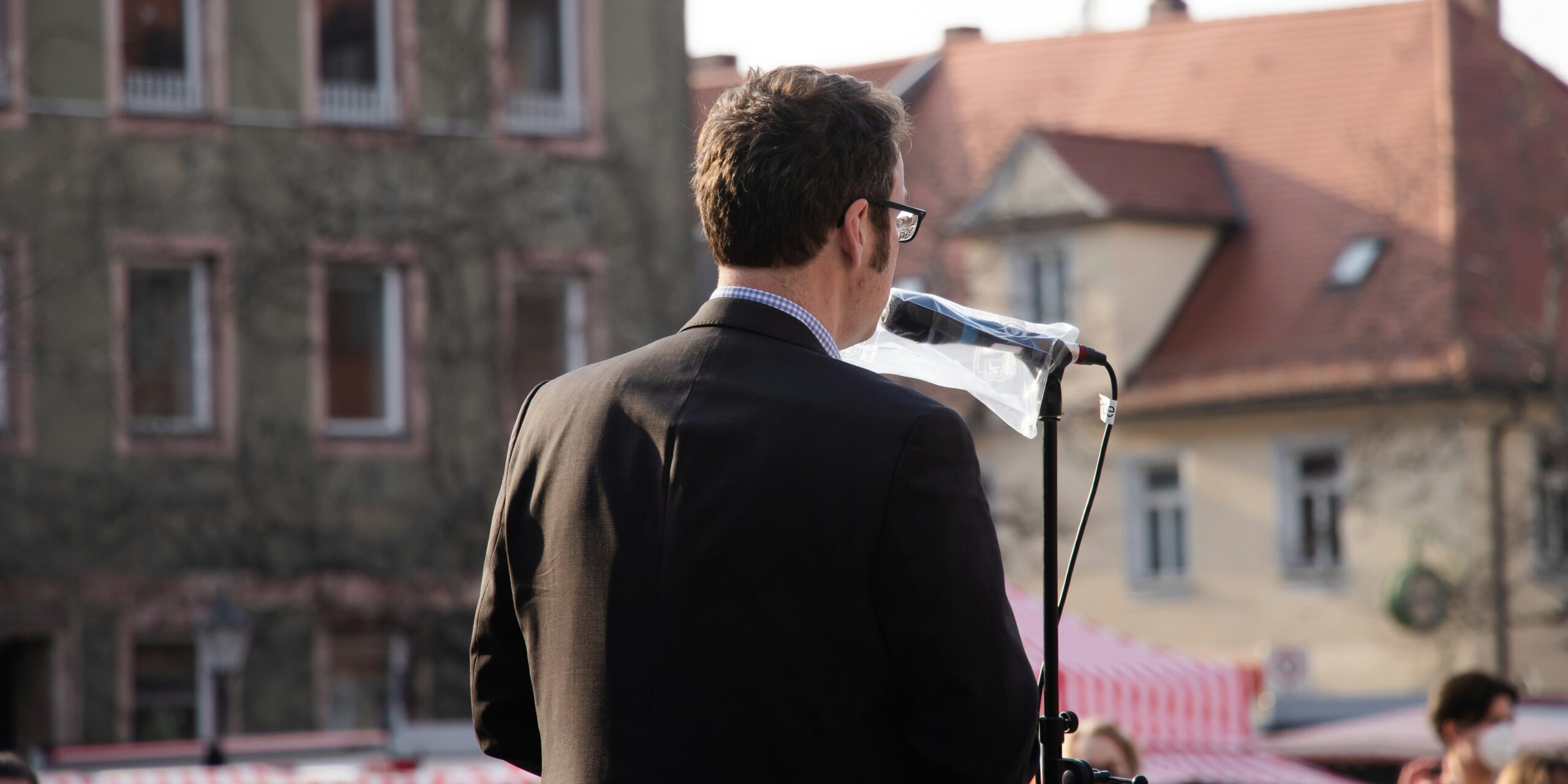
Later that day, Mamdani took the stage at a public inauguration held outside City Hall, where thousands gathered despite the cold weather to witness the historic event. Supporters cheered as he was introduced by progressive leaders and activists, including Senator Bernie Sanders and Representative Alexandria Ocasio-Cortez. The festive atmosphere blended celebration with urgency, as Mamdani delivered an inaugural address focused on equity, justice, and opportunity. He acknowledged the weight of the office and the expectations of a city ready for change.
Born in Kampala, Uganda, to Indian parents, Mamdani moved to the United States as a child and was raised in Queens, a borough he often cites as foundational to his political identity. Before running for mayor, he represented Astoria in the New York State Assembly, where he built a reputation as a tireless advocate for tenants’ rights, fare-free public transit, and working-class communities. His background as a democratic socialist and community organizer fueled a campaign that prioritized people over profit and policies rooted in compassion, accountability, and structural change.
Read Also: https://goldenstatereview.com/nationwide-protests-erupt-ahead-of-trumps-second-inauguration/
Mamdani’s election campaign in 2025 was marked by its grassroots energy, mobilizing thousands of volunteers and relying on small-dollar donations rather than corporate funding. Running against more established figures such as Republican Curtis Sliwa and former Governor Andrew Cuomo, Mamdani presented a bold vision for New York City’s future. His platform centered on affordability, particularly for renters and working families, as well as a sweeping overhaul of public services. He proposed rent freezes for stabilized units, fare-free public buses, universal childcare, and expanded housing initiatives.
Despite skepticism from critics who questioned the financial feasibility of his plans, Mamdani’s message resonated with a diverse coalition of voters who felt left behind by previous administrations. His ability to connect with residents in every borough — particularly young voters, immigrants, and lower-income communities — proved decisive. He won the general election with just over 50 percent of the vote, avoiding a runoff and solidifying his mandate.
The beginning of Mamdani’s administration arrives at a pivotal time for the city. New York continues to grapple with soaring living costs, housing shortages, climate threats, and a public transit system in need of modernization and expanded funding. He inherits a city still recovering from the economic and social aftershocks of the COVID-19 pandemic and the complex legacies of past leadership. Yet Mamdani’s supporters believe his unorthodox approach, informed by years of activism and legislative experience, offers a chance for substantive change.
In his inaugural address, Mamdani emphasized the importance of collective action and civic participation. He urged New Yorkers to become active partners in shaping policy and holding elected officials accountable. He vowed to create a city where housing is treated as a right, transit is affordable and reliable, and no one is forced to choose between paying rent and putting food on the table. He also pledged to reform policing practices and invest in public health, education, and clean energy.
Beyond policy, Mamdani’s ascent carries cultural and symbolic significance. His election marks a watershed moment for Muslim Americans and South Asians in U.S. politics. For many in these communities, his victory is a powerful affirmation that public leadership is possible without sacrificing cultural identity or political values. It also reflects the shifting demographics and priorities of New York City, where diversity and activism have long been sources of strength.
The challenges ahead are considerable. Mamdani will need to navigate a city budget with competing demands, balance the expectations of a progressive base with the realities of governance, and contend with opposition from entrenched political and economic interests. How effectively he manages these dynamics will determine whether his administration can deliver on the promise of transformative leadership.
Still, on the first day of 2026, the mood at City Hall was one of hope. Zohran Mamdani’s inauguration was not just the swearing-in of a new mayor — it was the dawn of a new political era, one defined by inclusivity, integrity, and the belief that government can be a force for good in people’s daily lives. As Mamdani begins his term, he does so with the eyes of a city — and a nation — watching, hopeful that history will not just be made, but lived.
Source: GLHR NEWS
