




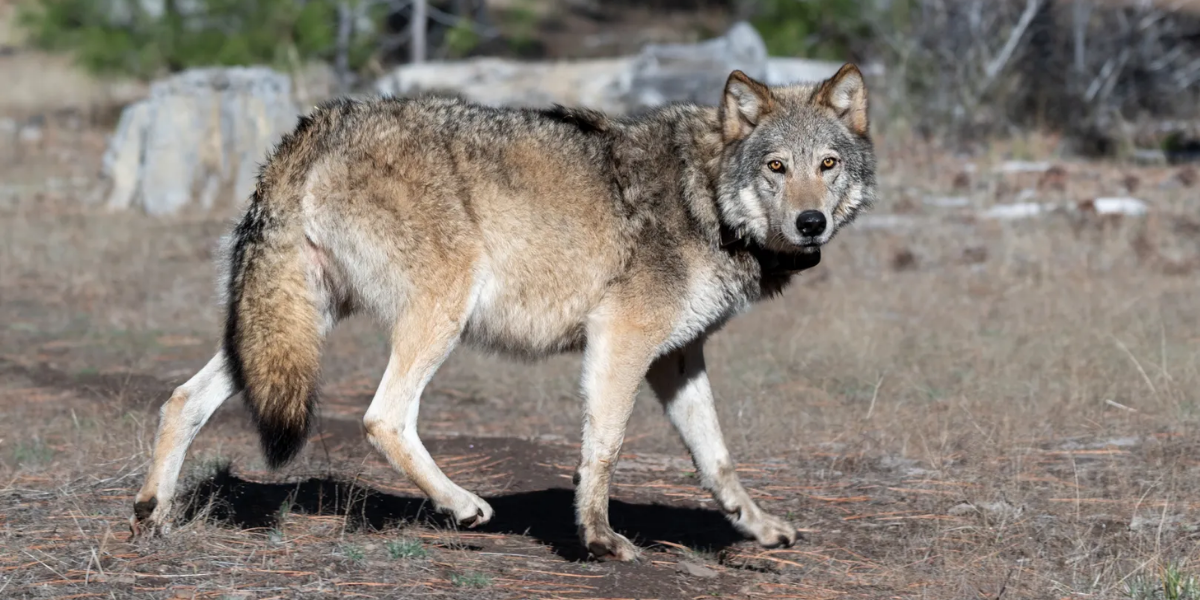
On February 7, 2026, wildlife biologists confirmed a gray wolf presence in Los Angeles County, the first documented sighting of the species in the region in over 100 years. The announcement has captured the attention of conservationists, naturalists, and California outdoor enthusiasts, marking a meaningful moment in the state’s long‑running wildlife recovery efforts.
The gray wolf, identified as BEY03F, was tracked via GPS north of Santa Clarita, having traveled more than 375 miles from its original collaring location in Tulare County. The journey, spanning valleys, mountains, deserts, and roads, underscores both the adaptability and vulnerability of this apex predator as it navigates human‑dominated landscapes.
A Century of Absence, and Return
Gray wolves were systematically eradicated from Southern California in the early 20th century due to hunting, trapping, and expanding settlement. The species’ disappearance from Los Angeles County in the 1920s reflected a broader decline across the western United States. In recent decades, protection under the California Endangered Species Act and monitoring initiatives have helped stabilize and slowly increase wolf numbers within more remote northern and central regions of the state.
Current estimates suggest roughly 60 wolves roam throughout California, a modest but significant population considering the species’ historical loss. BEY03F’s trek well into Southern California is notable not only for its rarity but also because it charts a potential expansion corridor that could influence future conservation planning.
What Scientists Are Saying
Experts from the California Department of Fish and Wildlife say that tracking wolves like BEY03F yields vital insights into animal behavior, habitat use, and the challenges these predators face in fragmented landscapes. Wolves are keystone species: their presence can enhance biodiversity by reinforcing ecological balances among herbivores and plant communities.
However, scientists emphasize that wolves venturing into more urbanized or agricultural regions, such as those south of Bakersfield and closer to Greater Los Angeles, confront significant risks. Among the leading threats are vehicle collisions, which remain a top cause of wolf mortality statewide, as well as potential conflicts with livestock and human infrastructure.
Public Reaction and Local Impact
Reaction among Californians, particularly outdoors and wildlife communities, has been overwhelmingly positive. Conservation groups have lauded the sighting as a sign of ecological resilience and a reminder of California’s diverse natural heritage. For outdoor adventurers and hikers who explore Angeles National Forest, Santa Clarita foothills, and beyond, the wolf’s southward journey has sparked intrigue, excitement, and calls for responsible wildlife coexistence.
Educators and park naturalists anticipate that BEY03F’s presence will also draw interest from schools, universities, and community groups focused on biology, ecology, and environmental stewardship.
Looking Forward: Conservation and Coexistence
BEY03F’s milestone sighting presents both opportunities and challenges for California’s wildlife management agencies. On the one hand, it reflects a successful implementation of species protection measures and a growing acknowledgment of natural corridors that connect ecosystems. On the other hand, it brings into focus the need for proactive planning to ensure wolf recovery does not inadvertently lead to increased negative interactions with communities and livestock owners.
As wolves continue their slow return across the landscape, discussions about coexistence strategies, including livestock compensation programs, roadside fencing solutions, and community education efforts, are expected to gain prominence.
For Californians, particularly those in Southern California, the story of BEY03F offers a chance to reflect on both the rich biodiversity of the state and the ongoing, dynamic relationship between human communities and the wild lands they share.
