




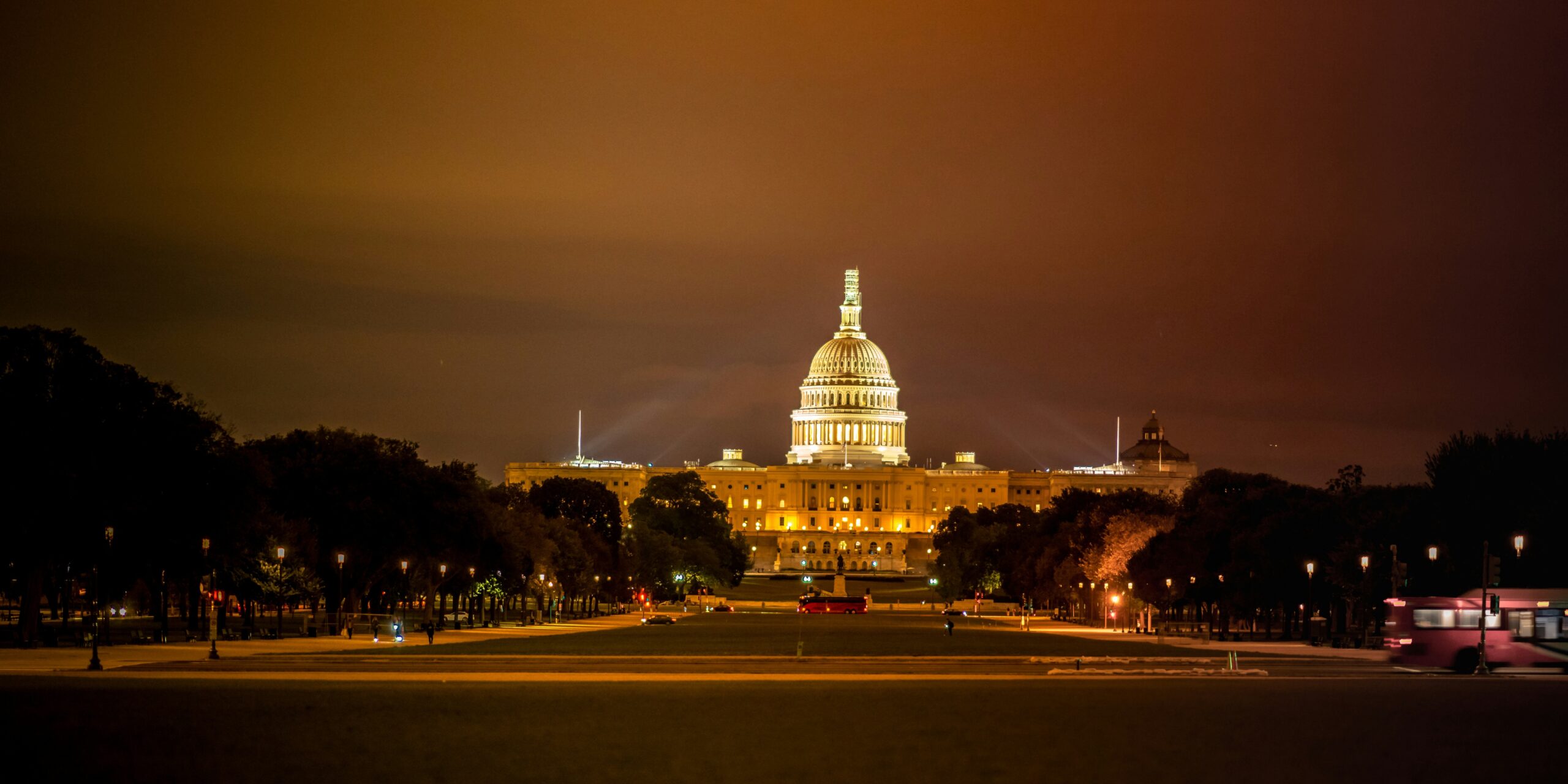
Financial markets were on edge on November 13, 2025, as investors and analysts processed the economic consequences of the longest federal government shutdown in U.S. history. After 43 days of stalled operations, the federal government officially reopened, but the aftershocks continue to reverberate through markets, business sectors, and households alike. While the resumption of government activity provided short-term relief, concerns over long-lasting economic damage dominated investor sentiment.
The shutdown, triggered by a prolonged budget impasse in Congress, halted funding for numerous agencies and forced hundreds of thousands of federal employees to miss paychecks. According to early estimates from the Congressional Budget Office and independent economic researchers, the extended closure could result in up to $11 billion in permanently lost economic output. That figure reflects not just deferred spending or paused services, but economic activity that may never be recovered—contracts that went unawarded, business investments that were delayed indefinitely, and consumer purchases that simply didn’t happen.
One of the most immediate consequences has been a slump in consumer sentiment. Surveys conducted in the final weeks of the shutdown showed a sharp dip in household confidence, as uncertainty over job security and delayed government benefits weighed on millions of Americans. With the holiday shopping season fast approaching, many economists warn that this loss of momentum could significantly dampen retail sales, which are typically a major driver of fourth-quarter GDP growth.
The business impact has also been substantial. Companies with close ties to the federal government, particularly in the technology, defense, and consulting sectors, faced a freeze in contract awards and procurement decisions. For many of these firms, revenues tied to government clients represent a significant portion of their business models. As a result, fourth-quarter earnings reports from these sectors are likely to come under intense scrutiny. Several publicly traded firms have already issued revised guidance, citing the shutdown’s impact on operations and delayed billing cycles.
Compounding the market’s unease was the interruption in the release of key federal economic data. With agencies like the Bureau of Labor Statistics and the Census Bureau unable to conduct regular operations, investors and policymakers were left without vital indicators related to job growth, inflation, retail sales, and housing starts. This data blackout has clouded forecasts and complicated monetary policy decisions. Without accurate, up-to-date information, economists warn that the Federal Reserve may struggle to chart an appropriate course for interest rates and balance sheet policy in the months ahead.
On Wall Street, the response was mixed. While major indices opened higher on news of the shutdown’s end, gains were muted and fragile. The Dow Jones Industrial Average closed slightly down, while the S&P 500 and Nasdaq saw modest increases, driven largely by a rebound in technology shares. However, trading volumes were light, reflecting investor caution and a wait-and-see approach to how the broader economy will respond in the coming weeks.
Corporate earnings calls scheduled over the next two weeks are expected to offer deeper insight into the shutdown’s ripple effects. Executives in retail, hospitality, and consumer finance have already hinted at weaker-than-expected demand during the shutdown period, raising concerns that the seasonal boost usually seen in November and December may not materialize at historical levels. In turn, this could weigh on broader market performance and further complicate projections for early 2026.
Meanwhile, political fallout from the shutdown continues to play out. Lawmakers on both sides of the aisle are facing scrutiny over their roles in the budget impasse, and early polling suggests rising voter frustration with federal dysfunction. There is growing pressure in Washington to adopt long-term budget reforms or automatic funding mechanisms that could prevent similar episodes in the future. Business leaders and trade groups have echoed these concerns, arguing that such instability undermines confidence and damages the U.S. economic brand on the global stage.
As operations resume across federal agencies, the challenge now is to assess and mitigate the damage done. While some areas of activity will bounce back quickly—such as backlogged services and rescheduled government auctions—other consequences, like lost productivity, delayed R&D initiatives, and missed investment windows, may not be recoverable. The markets are pricing in this ambiguity, and volatility is likely to persist until stronger signals about economic recovery and consumer resilience emerge.
Ultimately, the end of the shutdown offers an opportunity for recovery, but also a warning. The costs of political brinkmanship have grown steeper, and the U.S. economy, while resilient, is not immune to the corrosive effects of government dysfunction. As investors, consumers, and policymakers adjust to the new post-shutdown reality, the coming months will be crucial in determining whether this episode becomes a footnote or a turning point in America’s economic trajectory.
