
NASA Expands Artemis Moon Base Strategy as U.S. Pushes Toward Long-Term Lunar Presence

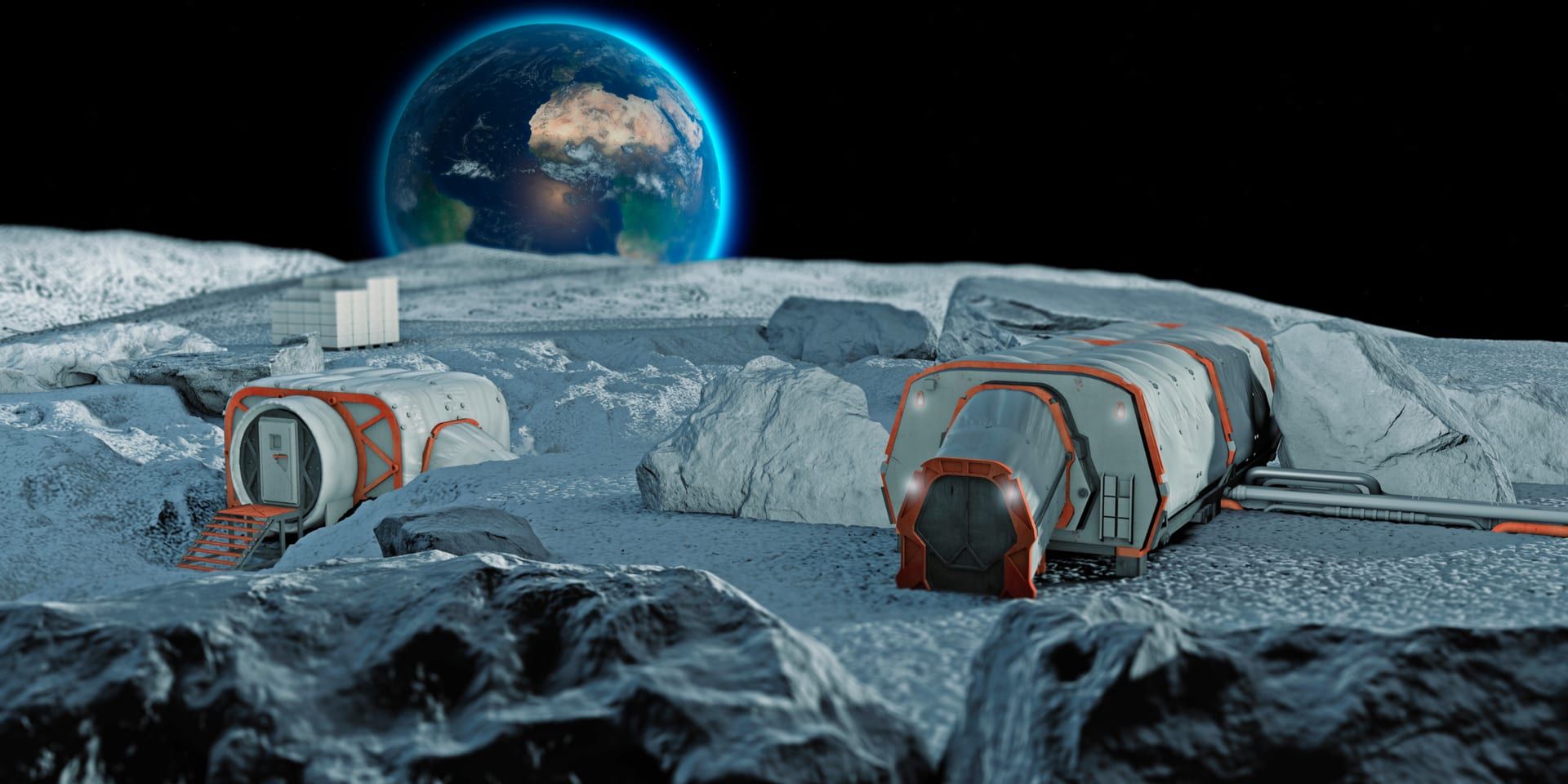
NASA unveiled a major expansion of its Artemis lunar exploration strategy this week, outlining new missions, infrastructure plans, and commercial partnerships designed to establish a sustained human presence on the Moon during the next decade. The announcement marks one of the most ambitious developments in American space exploration since the Apollo era and signals a renewed national focus on deep-space exploration.
During a press briefing at NASA Headquarters in Washington, agency officials detailed updated plans for what it calls the “Moon Base” initiative, a long-term effort to create the first permanent human outpost on another celestial body. The expanded roadmap includes robotic cargo missions, lunar rovers, advanced power systems, and future astronaut operations near the Moon’s south pole.
NASA said the initiative is intended to support scientific discovery, strengthen technological innovation, and prepare for future crewed missions to Mars.
The announcement follows recent progress within the Artemis program, including the successful Artemis II mission, which sent astronauts around the Moon earlier this year. NASA officials described the latest expansion as the next major phase of the United States’ return to lunar exploration.
Building a Permanent Lunar Presence
According to NASA, the Moon Base project will be developed in several phases beginning later this year. Early missions will focus on delivering cargo, testing lunar surface technologies, and mapping potential landing zones near the Moon’s south pole, a region believed to contain water ice inside permanently shadowed craters.
Water ice is considered one of the most valuable potential resources on the Moon because it could eventually be converted into drinking water, breathable oxygen, and even rocket fuel for future missions deeper into space.
NASA officials stated that the first Moon Base mission is targeted for launch no earlier than fall 2026 using Blue Origin’s Blue Moon Mark 1 Endurance lander. The mission will carry scientific instruments and technology demonstrations intended to reduce risks for future astronaut landings. Additional missions will follow with lunar cargo deliveries, autonomous rovers, and exploratory drones designed to survey the rugged terrain.
The agency also announced contracts with several American aerospace companies, including Blue Origin, Lunar Outpost, Astrolab, and Firefly Aerospace. These companies will help develop lunar transportation systems and robotic vehicles capable of operating in harsh lunar conditions.
NASA estimates the long-term project could involve dozens of launches and billions of dollars in public and private investment over the next several years.
Why the Moon’s South Pole Matters
The Moon’s south pole has become a central focus for NASA and international space agencies because of its scientific and strategic value. Unlike the areas explored during the Apollo missions, the south pole contains regions that remain permanently shaded from sunlight, allowing frozen water to potentially remain stable for millions of years.
Scientists believe studying this environment could provide valuable insight into the history of the solar system while also supporting long-duration human exploration.
NASA’s plans call for a large operational zone that could eventually span hundreds of square miles. Future infrastructure may include habitats, communication systems, nuclear and solar power stations, and transportation networks for astronauts and robotic systems.
Officials say the Moon will serve as a testing ground for technologies needed for eventual crewed missions to Mars, including life-support systems, resource extraction, and autonomous operations in extreme environments.
Increased Mission Cadence
NASA also announced changes to the Artemis mission schedule aimed at increasing the frequency of lunar missions. Earlier this year, the agency added an additional Artemis mission to improve testing and operational reliability before future Moon landings.
Under the updated architecture, Artemis III is expected to focus on testing rendezvous and docking operations with commercial lunar landers in Earth orbit before proceeding with future surface missions. NASA continues to target the first Artemis lunar landing mission later in the decade.
Agency leadership emphasized that standardizing mission systems and expanding partnerships with private companies could reduce costs and improve long-term sustainability.
NASA Administrator Jared Isaacman described the Moon Base initiative as a critical step in maintaining American leadership in space exploration while accelerating scientific and economic opportunities tied to emerging space technologies.
Broader Economic and Technological Impact
Beyond space exploration, the Artemis program is expected to generate economic benefits across several industries, including aerospace manufacturing, robotics, communications, and energy technology.
California companies and research institutions are expected to play an important role in the initiative due to the state’s large aerospace sector and long-standing involvement in NASA programs. Southern California remains home to major aerospace contractors, engineering firms, and research facilities contributing to spacecraft design, propulsion systems, and mission operations.
Industry analysts say the growing collaboration between NASA and private aerospace firms represents a broader shift in how major space missions are developed and funded in the United States.
For many observers, the updated Artemis strategy reflects a new era of American space exploration, one focused not only on returning to the Moon, but on building the infrastructure needed for long-term human activity beyond Earth.
As NASA prepares for the next round of missions, the agency’s expanding lunar ambitions are once again placing the United States at the center of global space exploration efforts.

Golden State Review Contributor
Golden State Review Contributor
This article features branded content from a third party. Opinions in this article do not reflect the opinions and beliefs of Golden State Review.
This article features partner, contributor, or branded content from a third party. Members of the Golden State Review editorial staff were not involved in the creation of this content. All views and opinions are those of the contributor alone.