




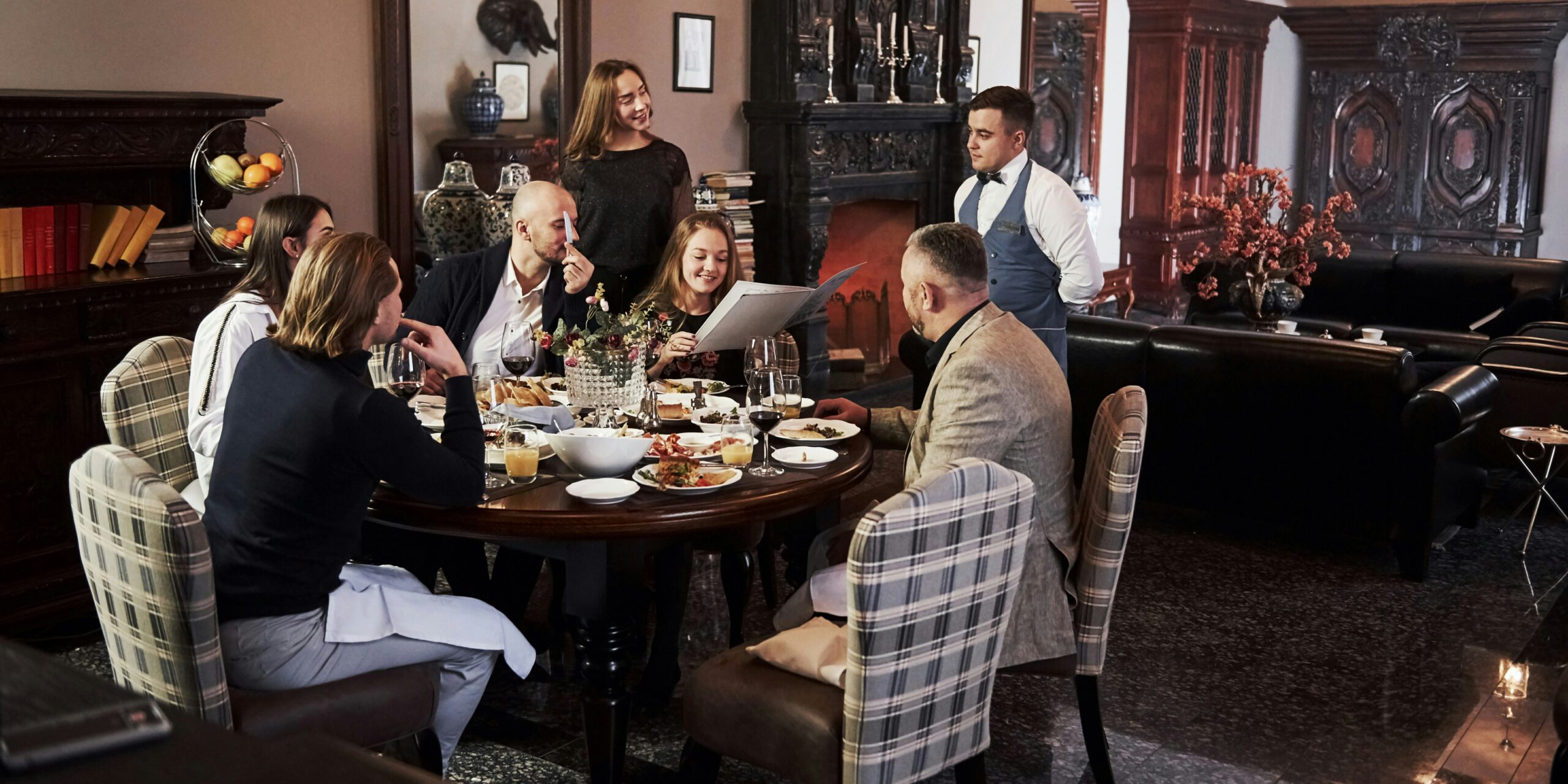
On December 25, 2025, as families across the United States celebrated Christmas, a significant number of Americans turned to restaurants rather than home kitchens for their holiday meals. With Christmas Day falling on a Thursday, many chose the convenience and communal experience of dining out, embracing a growing trend of holiday meals served in public settings. Despite the federal holiday prompting the closure of most retail stores and financial markets, a wide range of national chains, local eateries, and full-service restaurants remained open, offering options that catered to a variety of tastes and holiday traditions.
Among the most accessible choices for Christmas diners were major fast-food and casual dining chains, many of which have a long-standing reputation for staying open 365 days a year. Waffle House, known for its 24/7 service and iconic status in the American South, once again kept its doors open, serving everything from hash browns to holiday cheer. IHOP, Denny’s, and McDonald’s also operated select locations across the country, providing familiar meals and warm spaces for families, travelers, and those spending the holiday on the road or away from home. While some locations operated on limited hours, the demand for quick, comforting food made these chains a popular choice.
In addition to the fast-food staples, many full-service restaurants opened with modified schedules and curated holiday menus. National chains like Romano’s Macaroni Grill and Ruth’s Chris Steak House offered festive dining experiences, often by reservation, that included traditional Christmas fare alongside their regular selections. These establishments catered to those seeking a more refined or celebratory atmosphere for their holiday meal. Family-oriented spots such as Shoney’s also remained open, serving buffet-style meals and comfort food classics that appealed to both locals and holiday travelers.
The availability of restaurant dining on Christmas Day reflects shifting consumer preferences, especially among those looking to simplify holiday logistics. For families with limited time, older adults avoiding the stress of cooking, or younger generations eager for new traditions, eating out offered a convenient and enjoyable alternative to preparing elaborate meals at home. Restaurants also provided a welcome option for those who don’t celebrate Christmas but still sought a warm meal or social setting on the day.
While many establishments seized the opportunity to serve holiday crowds, a number of popular chains chose to remain closed. Restaurants such as Olive Garden, Chili’s, Outback Steakhouse, Taco Bell, and Chipotle suspended operations for the day, allowing staff to spend time with their families. This mix of open and closed locations added an element of uncertainty for diners, prompting many to plan ahead, confirm local hours online, or make reservations in advance to secure a table.
The decision to dine out on Christmas is also influenced by broader cultural and economic trends. In a time when convenience increasingly shapes consumer behavior, even major holidays are being reimagined around flexibility. For restaurant workers and managers, remaining open on Christmas offers an opportunity to generate additional revenue and serve a specific segment of the public—those who prefer experiences over tradition, or simply need a hot meal during a busy travel day.
Beyond the major chains, independent restaurants in urban centers and smaller communities also joined in, some promoting special prix fixe menus or holiday buffets. These local businesses often became gathering spots for regular patrons and newcomers alike, adding a neighborhood flavor to holiday dining. Whether offering traditional turkey dinners or more unique culinary twists, local restaurateurs provided options that blended comfort with creativity.
For many, dining out on Christmas wasn’t just about convenience—it became part of how the holiday was celebrated. From early morning breakfasts before gift exchanges to late-night dinners with friends, the restaurant experience offered connection, comfort, and a change of pace. Servers and chefs who worked the holiday often reported a sense of community in their dining rooms, with guests expressing gratitude for a warm place to gather.
As the United States continues to diversify in both culture and lifestyle, the presence of open restaurants on Christmas Day reflects an evolving approach to tradition. While home-cooked meals and family gatherings remain central to many celebrations, the growing acceptance of dining out adds to the flexibility and inclusivity of the holiday season. For those who welcomed it, a meal outside the home on December 25 provided not just sustenance, but also shared moments and new memories.
