The Reopening of San Francisco’s Ferry Building Farmers Market

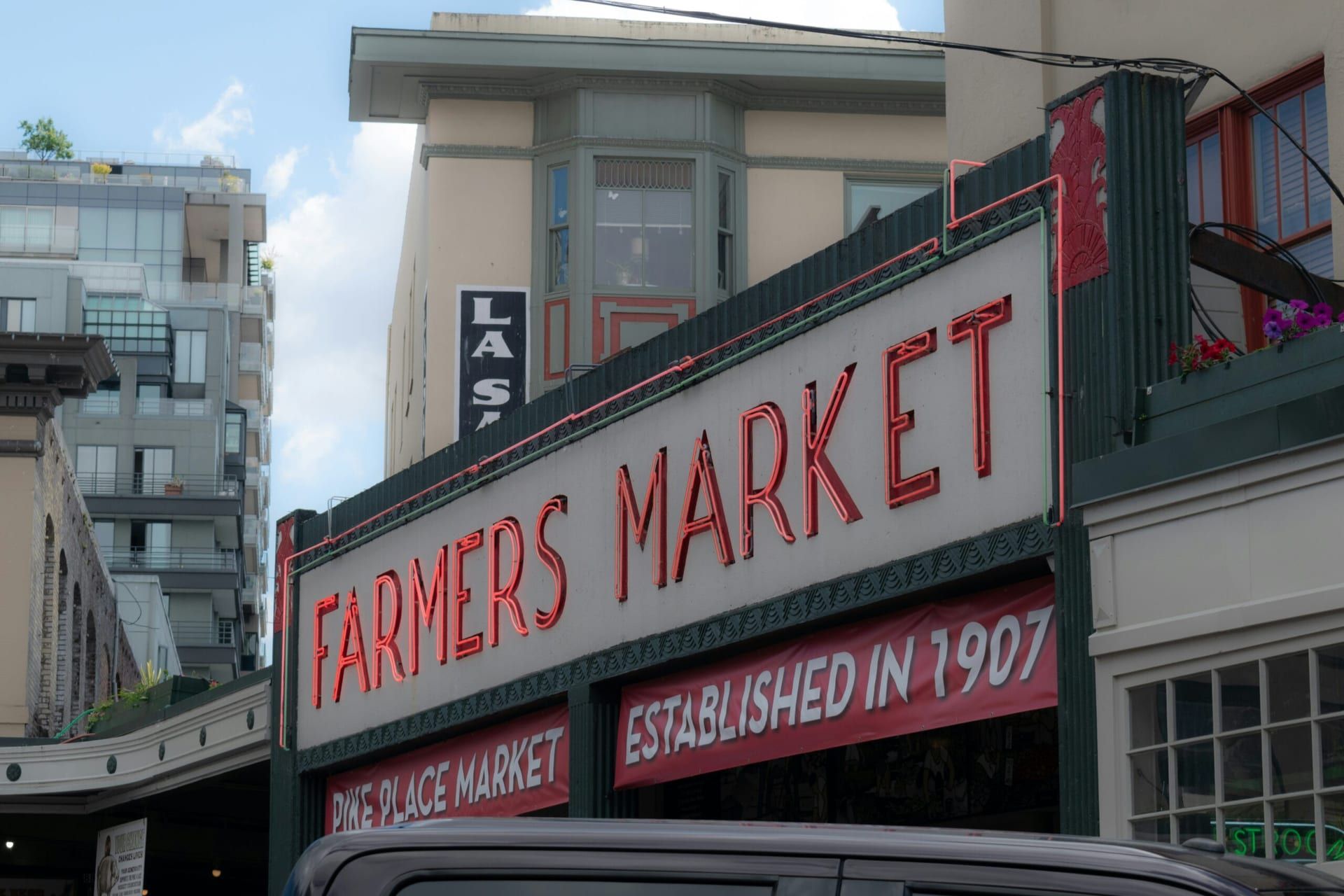
A Milestone in San Francisco’s Culinary Scene
After nearly two years of pandemic-related restrictions, the iconic Ferry Building Farmers Market in San Francisco officially reopened in March 2022, marking a major turning point in the city’s food culture and economy. The market, a beloved institution since its inception in 1993, had temporarily suspended operations due to COVID-19 safety protocols. Its return brought excitement not just to local food lovers but also to farmers, chefs, and culinary enthusiasts who rely on the market’s offerings.
Located on the picturesque Embarcadero, the Ferry Building Farmers Market is renowned for its selection of fresh, locally sourced produce, artisan cheeses, meats, baked goods, and specialty items. It has long been regarded as one of the best farmers markets in the United States and attracts thousands of visitors weekly, including locals and tourists.
Community Support and Local Agriculture
The reopening was an important moment not just for San Francisco’s food community but also for the state’s local farmers. During the pandemic, many small-scale producers struggled due to reduced customer traffic and economic challenges. The Ferry Building Farmers Market has long served as an essential outlet for these producers, providing a space for them to directly connect with consumers who value fresh, seasonal, and sustainable food. The market’s return to full operation in March 2022 offered a much-needed boost to local agricultural businesses.
The reopening event also underscored the market’s commitment to sustainability. Vendors continued their practices of reducing food waste, using eco-friendly packaging, and promoting regenerative agriculture. The market remains a model for the broader trend of supporting sustainable food systems, emphasizing products that are produced and grown in harmony with the environment.
Support from Local Chefs and Advocates
The reopening of the Ferry Building Farmers Market was celebrated by prominent figures in the San Francisco culinary world. While specific chefs did not headline the reopening event, the market has long been a critical source for many restaurants and food businesses in the city. Chefs like Chris Cosentino, known for his advocacy of local and seasonal ingredients, have often highlighted the importance of markets like the Ferry Building in sourcing high-quality products. These chefs recognize the market as a vital lifeline for local food systems.
Additionally, various food advocacy groups, including the San Francisco Food Bank and the Center for Urban Education about Sustainable Agriculture (CUESA), were instrumental in supporting the market during the pandemic and continue to play a significant role in promoting equitable access to fresh food. These groups emphasize the importance of supporting underserved communities by providing local, healthy food to those who need it most.
Economic Impact of the Reopening
The return of the Ferry Building Farmers Market in March 2022 also had a positive economic impact on the local community. As one of San Francisco’s most recognizable landmarks, the market attracts not only food lovers but also tourists, making it an important draw for the city’s hospitality and tourism industries. According to reports from CUESA, the nonprofit organization that manages the market, vendors were excited about the resurgence in foot traffic, which directly contributed to boosting their sales and sustaining small businesses.
The market’s reopening helped reinvigorate the Bay Area’s food tourism scene, which had taken a significant hit during the pandemic. Local residents, along with visitors, eagerly returned to the market, supporting not just food vendors but also nearby businesses in the Ferry Building and along the waterfront.
The Challenges of Reopening Amid the Pandemic
Reopening such a large-scale, high-profile public space like the Ferry Building Farmers Market required extensive planning and coordination between market organizers, public health officials, and local law enforcement. Health and safety measures were at the forefront of the reopening strategy, with crowd control, sanitation stations, and mask mandates in place as necessary precautions to protect vendors and visitors. These efforts ensured that the market could return safely and meet the evolving public health guidelines.
Additionally, the market faced logistical challenges due to ongoing supply chain issues that affected many food businesses during the pandemic. Despite these hurdles, the market’s vendors persevered, adapting to new realities and ensuring that the market could operate at full capacity in the safest way possible.
Looking Toward the Future of the Market
The reopening of the Ferry Building Farmers Market in March 2022 is part of a larger trend of recovery and renewal within San Francisco’s food scene. It highlighted the city’s commitment to sustainability, local agriculture, and fostering a vibrant food culture that supports small businesses and promotes access to healthy, locally sourced food. With the market now fully operational again, it remains a central hub for community engagement and food education, with ongoing programming that connects the public to local food systems.
Looking ahead, the market will continue to play a pivotal role in promoting local food culture while ensuring that small-scale farmers and food producers have access to a market that values their hard work and dedication. With the pandemic no longer having the same grip on public life, the Ferry Building Farmers Market is poised to thrive in a new chapter, as San Francisco’s culinary landscape continues to adapt and evolve in the post-pandemic world.

Golden State Review Contributor
Golden State Review Contributor
This article features branded content from a third party. Opinions in this article do not reflect the opinions and beliefs of Golden State Review.
This article features partner, contributor, or branded content from a third party. Members of the Golden State Review editorial staff were not involved in the creation of this content. All views and opinions are those of the contributor alone.