
California’s Community Gardens and Urban Green Spaces Bring Fresh Energy to Local Living

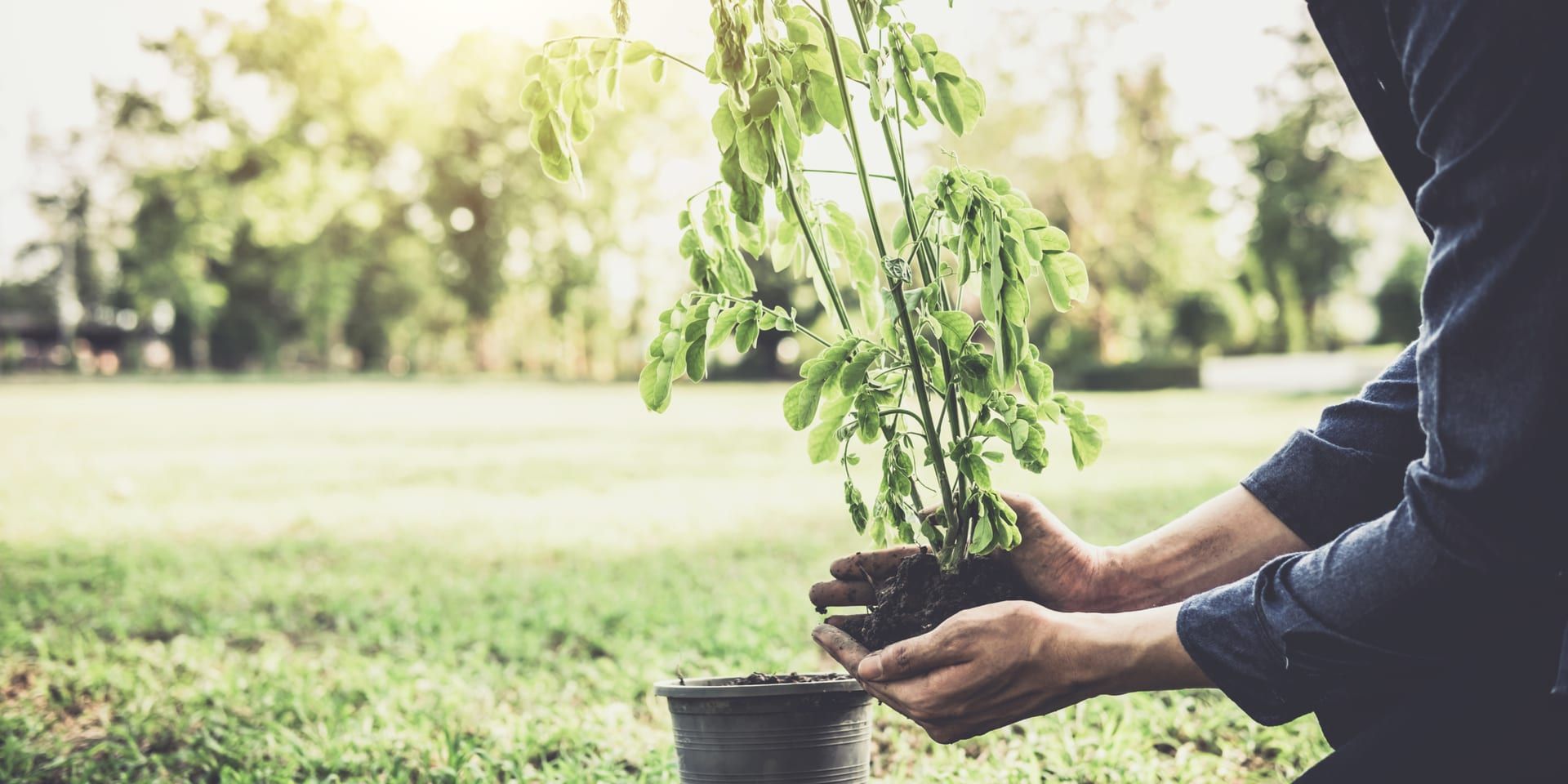
Across California, a quiet but powerful movement is reshaping neighborhoods, strengthening communities, and reconnecting residents with nature. From coastal cities to inland valleys, community gardens and urban green spaces are becoming vibrant hubs of daily life, offering not just fresh produce and greenery, but also a renewed sense of belonging.
In cities like San Francisco, California, Los Angeles, California, and San Diego, California, once-unused lots, rooftops, and small municipal plots are being transformed into flourishing gardens. These spaces are redefining how residents interact with their surroundings, turning urban density into opportunity rather than limitation.
A Growing Movement Rooted in Community
What makes California’s green space expansion especially notable is its community-driven foundation. Many of these gardens are not top-down government projects, but grassroots efforts led by residents, local nonprofits, schools, and neighborhood associations.
In Sacramento, California, for example, community members have revitalized underutilized parcels of land into shared gardens where families grow vegetables, herbs, and flowers side by side. These spaces often double as outdoor classrooms where children learn about soil, pollination, and sustainability in a hands-on environment.
Beyond food production, these gardens foster meaningful social interaction. Neighbors who may have lived near each other for years without connecting now share tools, planting tips, and seasonal harvests. The result is a stronger, more engaged community fabric.
Wellness, Sustainability, and Everyday Benefits
Urban green spaces are also contributing to wellness in practical and measurable ways. Studies and local reports across California consistently highlight the mental health benefits of access to nature, even in small, urbanized settings. Simply spending time in a garden or green park area can reduce stress and improve mood.
In densely populated areas like San Francisco, California, where space is limited and fast-paced lifestyles dominate, pocket parks and rooftop gardens offer a welcome escape. Office workers often take lunch breaks in nearby green spaces, while families use community plots as weekend gathering spots.
Environmental benefits are equally important. Urban gardens help improve air quality, support pollinators like bees and butterflies, and reduce the urban heat effect by cooling surrounding areas. Even small patches of greenery can make a measurable difference when integrated throughout a city.
Cultural Identity Through Green Living
California’s diversity is reflected in its gardens. In neighborhoods across Los Angeles, California, community plots often grow culturally significant crops, ranging from herbs used in Asian cuisine to vegetables central to Latin American dishes. This blending of agricultural traditions creates living cultural exchanges right in the heart of urban spaces.
These gardens often host seasonal gatherings, workshops, and harvest celebrations, turning them into cultural anchors. Residents don’t just grow food, they grow traditions, passing knowledge between generations and across cultural backgrounds.
Education and Youth Engagement
One of the most promising aspects of California’s green space expansion is its impact on youth education. Schools across cities like San Diego, California and Sacramento, California are integrating gardening programs into their curriculum.
Students participate in planting cycles, composting projects, and sustainability lessons that go beyond textbooks. These programs help young people understand where food comes from while also encouraging responsibility and teamwork.
Teachers report that outdoor learning environments often improve student engagement. Children are more likely to retain lessons when they can physically interact with the subject matter, whether it’s planting seeds or observing insect life.
Looking Ahead: A Greener California Future
As climate awareness grows, California’s investment in urban green spaces is expected to expand further. Cities are increasingly recognizing that parks and gardens are not optional luxuries but essential infrastructure for livable communities.
In coastal and scenic regions like Big Sur and the surrounding areas of California wine country such as Napa Valley, the connection between land, community, and sustainability is already deeply ingrained. Urban areas are now following similar principles, adapting them to smaller, more densely populated environments.
The future of California living may not just be defined by skyscrapers or highways, but by gardens tucked between buildings, fruit trees lining sidewalks, and shared green spaces that bring people together in everyday life.
A Shared Space for Growth
At its core, California’s urban gardening movement is about more than plants, it’s about people. It reflects a collective desire for healthier living, stronger neighborhoods, and a closer relationship with the environment.
As these spaces continue to grow, they are quietly reshaping what it means to live in a modern California city: not just surviving in urban density, but thriving within it.

Golden State Review Contributor
Golden State Review Contributor
This article features branded content from a third party. Opinions in this article do not reflect the opinions and beliefs of Golden State Review.
This article features partner, contributor, or branded content from a third party. Members of the Golden State Review editorial staff were not involved in the creation of this content. All views and opinions are those of the contributor alone.