




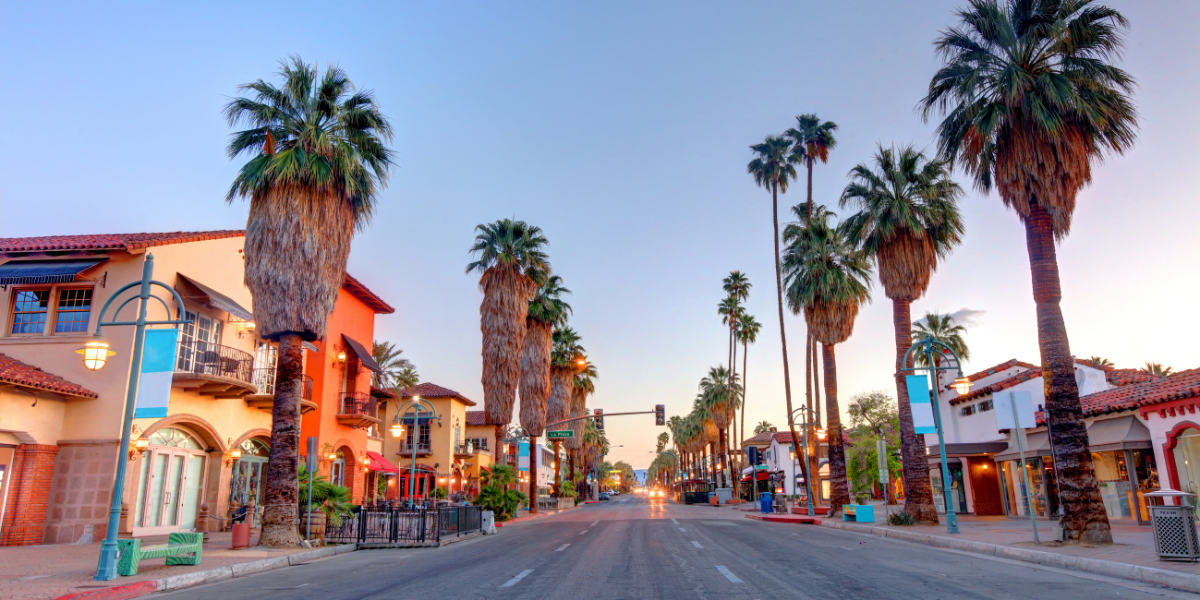
As California transitions into March, the Golden State is experiencing a dynamic start to spring marked by major infrastructure progress, vibrant cultural programming, and unusual weather patterns. From visible advancements in the long-anticipated high-speed rail project to record-setting temperatures across the Bay Area, the first days of the month reflect both opportunity and change across the region.
High-Speed Rail Reaches a Visible Milestone
One of the most consequential developments this week is the continued progress of California’s High-Speed Rail project. Construction crews have begun installing the first segments of rail track, a long-awaited step that signals tangible forward movement in connecting major population centers by modern rail infrastructure.
The statewide project aims to link San Francisco and Los Angeles through a high-speed system designed to significantly reduce travel times between Northern and Southern California. Recent activity has centered in the Central Valley, where major construction zones have been underway for years. The opening of the Northern Railhead Facility in Kern County, a 150-acre site dedicated to storing and distributing rail materials, has helped accelerate this new phase of development.
State officials have emphasized that beyond transportation improvements, the project is expected to generate long-term economic benefits, including job creation, regional investment, and expanded access between business hubs. While discussions surrounding budget and timeline remain ongoing, the physical installation of rails marks a turning point from groundwork and structural preparation toward visible assembly of the transportation network itself.
For residents across California, the advancement represents a significant chapter in one of the largest public works projects in state history.
Unseasonably Warm Winter Temperatures
At the same time, California has experienced an unusual weather pattern that has drawn attention from meteorologists and residents alike. Over the past several days, parts of the Bay Area recorded temperatures 10 to 20 degrees above seasonal averages. Some communities saw daytime highs reach the upper 70s and low 80s, levels more typical of late spring than early March.
Even nighttime temperatures broke historical records in certain areas, underscoring the intensity of the warm spell. Meteorologists attribute the anomaly to a persistent high-pressure system situated over Baja California, which blocked cooler Pacific systems from moving inland and allowed warm air to settle across much of the state.
While cooler air has begun returning to some regions, the broader trend aligns with long-term patterns of gradually rising average winter temperatures. For many Californians, the warmth has offered an early preview of the outdoor season, filling parks, beaches, and hiking trails during what is typically a transitional time of year.
However, warmer-than-average winter conditions can also influence water supply forecasts and wildfire preparedness planning, both critical concerns in a state shaped by cycles of drought and intense fire seasons.
Cultural Energy Across the State
Beyond infrastructure and weather, California’s cultural calendar is in full swing. March marks Women’s History Month, and communities throughout the Bay Area and beyond are hosting performances, art exhibitions, lectures, and community gatherings that celebrate women’s contributions across industries.
San Francisco venues are presenting theater productions, jazz concerts, and museum programming dedicated to highlighting stories of leadership, creativity, and innovation. Educational institutions and community organizations are also holding forums and workshops designed to engage younger generations in discussions about equity and opportunity.
Meanwhile, Southern California cities are launching spring event series that include food festivals, neighborhood markets, and outdoor art installations. In Los Angeles, entertainment venues and sports arenas are drawing crowds with a busy lineup of games, concerts, and cultural showcases. Seasonal events such as whale watching excursions along the coast and early wildflower viewing opportunities in desert regions are also attracting both residents and visitors eager to explore the state’s natural beauty.
For the tourism and hospitality sectors, early spring activity is often a key indicator of the months ahead. The combination of warm weather and a full events calendar is helping drive interest in weekend travel and regional exploration.
Everyday Updates and Community Awareness
Local news outlets have also reported minor seismic activity in parts of Southern California in recent days. While the recorded tremors were small in magnitude and caused no reported damage, they serve as routine reminders of the state’s seismic landscape and the importance of preparedness.
Public agencies continue to monitor environmental conditions closely as the state moves toward peak wildfire season later in the year. Emergency preparedness messaging remains an ongoing priority, particularly in areas that experienced heavy rainfall earlier in the winter and could see rapid vegetation growth followed by dry conditions.
Looking Ahead
As March unfolds, California stands at the intersection of progress and possibility. Infrastructure projects are entering new phases, cultural institutions are celebrating community achievements, and shifting weather patterns are prompting reflection on environmental trends.
For residents, the start of spring offers opportunities to engage, whether by attending local events, exploring natural landscapes, or following major developments that shape the state’s future. For visitors, California’s blend of innovation, culture, and climate continues to define its appeal.
From rail lines stretching across the Central Valley to packed theaters in San Francisco and warm afternoons along the coast, the Golden State’s early March momentum underscores its complexity and vitality. As 2026 progresses, these developments will likely influence both the daily experience of Californians and the broader narrative of a state continually evolving.
