




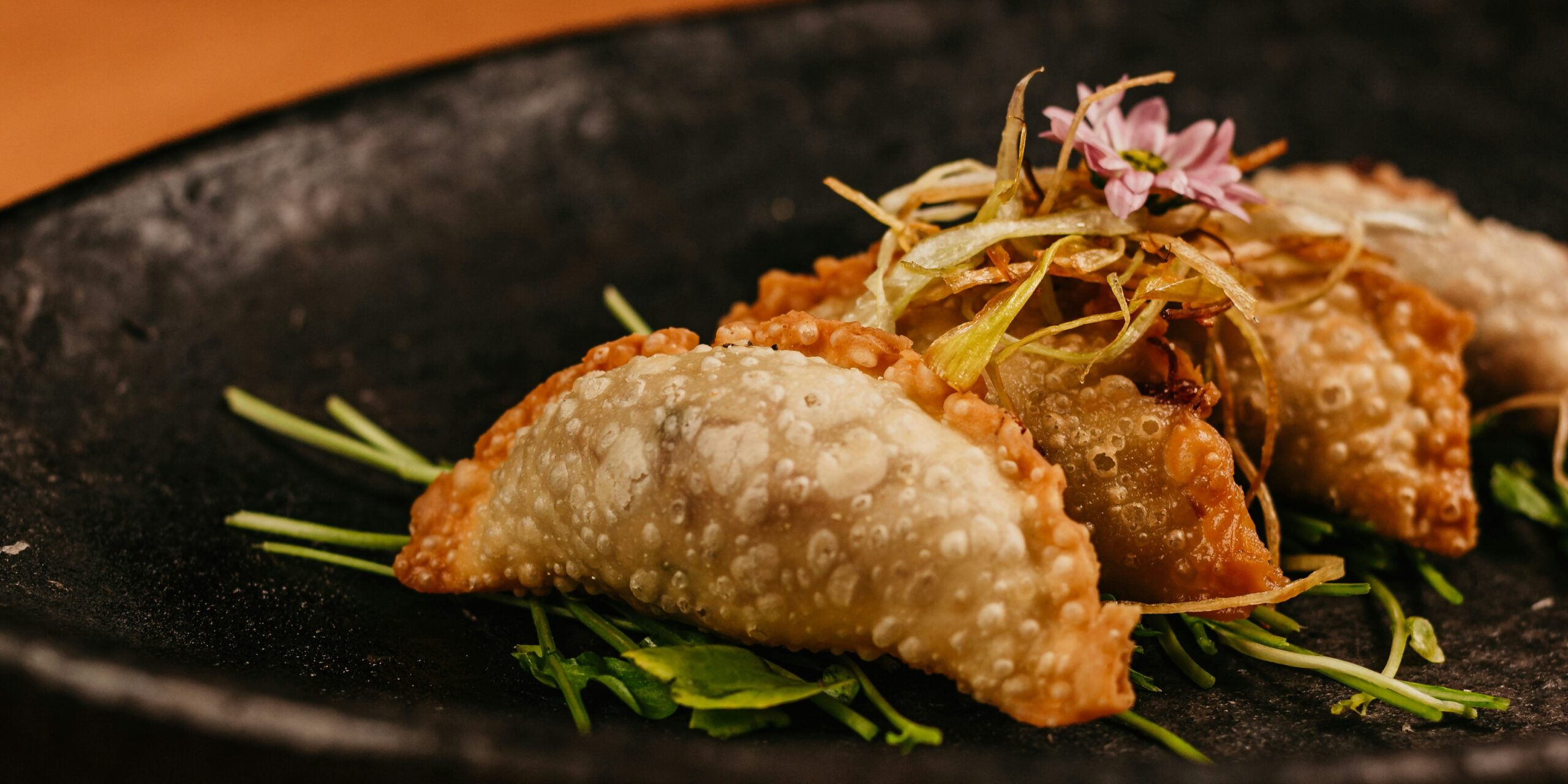
January 7, 2026, brought an extra dash of culinary delight for food lovers across the United States as restaurants, chefs, and home cooks celebrated National Tempura Day. The observance, now growing in popularity on social media and food calendars, pays tribute to tempura — a beloved dish of lightly battered and fried seafood and vegetables that has become a staple of Japanese cuisine and global comfort food culture. Far from being just another winter date on the calendar, National Tempura Day has evolved into an annual opportunity for communities to explore the textures, techniques, and tastes that make tempura a favorite from casual eateries to fine‑dining restaurants.
For many Americans, the day offers a reason to dive into tempura’s delightful contrasts: the whisper‑thin, crisp batter yielding to tender shrimp, zucchini, sweet potato or even more unexpected ingredients like avocado and green beans. In cities from New York to Los Angeles, chefs used January 7 to showcase both traditional tempura plates and creative reinterpretations. Some menus featured classic shrimp and vegetable assortments served with tempura dipping sauce, while others pushed culinary boundaries with tempura‑fried desserts — including ice cream, bananas, and even tempura doughnuts paired with crème anglaise or matcha sauces. The versatility of tempura has inspired chefs and home cooks alike to experiment, proving that the technique can elevate a wide range of ingredients beyond its familiar seafood and vegetable roots.
The origin story of tempura reaches back to 16th‑century Japan, when Portuguese missionaries and traders introduced European frying techniques. Japanese cooks adapted these methods, creating the delicate batter and precise frying approach known today. Over time, tempura became deeply embedded in Japanese food culture, evolving into different regional styles and approaches. In the U.S., tempura first gained widespread popularity in the late 20th century as sushi and Japanese cuisine became more mainstream. Since then, tempura has been embraced in many forms — from Asian‑fusion concepts and fast‑casual sushi bars to upscale Japanese restaurants.
On National Tempura Day, culinary festivals and special tasting events — often held in major metropolitan areas — give diners a chance to learn about the craft behind a perfect tempura bite. These events typically include demonstrations on batter preparation, discussions of ideal frying temperatures, and tips on how ingredients’ moisture content and slicing techniques affect final texture. Experts emphasize that the hallmark of great tempura lies in its batter: a light mix that clings just enough to the surface of ingredients to create a crackling shell once fried without overwhelming the natural flavors inside.
Many tempura enthusiasts also use the day to explore how complementary sauces and sides can transform the eating experience. Traditional tentsuyu dipping sauce, made from dashi, mirin, and soy sauce, remains a classic pairing. But chefs have introduced variations incorporating citrus ponzu, spicy mayonnaise blends, yuzu kosho, and even sweet fruit‑based reductions. Side dishes such as pickled vegetables, steamed rice, and miso soup help round out meals, offering a balance of textures and flavors that mirror the harmony often sought in Japanese cuisine.
Social media played a major role in amplifying National Tempura Day celebrations, as home cooks and food influencers shared step‑by‑step videos for making tempura at home. Many highlighted tips for achieving professional‑level crispiness, such as keeping batter ice‑cold, avoiding overmixing, and using an accurate thermometer to maintain optimal oil heat. Others posted photos of their tempura bowls and platters alongside personalized dipping sauces, encouraging followers to tag their friends and try new recipes throughout the year.
For some, National Tempura Day also provided a festive way to beat the post‑holiday blues. January can be a dreary month for many, with winter weather lingering and holiday festivities long past. Food celebrations such as this give people something to look forward to, offering community, creativity and — most importantly — delicious food to enjoy with friends and family. Pop‑up food markets and local Japanese cultural centers often paired tempura tastings with broader cultural appreciation events, reinforcing the idea that food can be a gateway to learning about and honoring diverse traditions.
Across the country, foodies and casual diners alike took part in the day’s festivities in their own ways. Some visited established Japanese restaurants known for their tempura mastery, while others hosted gatherings in their own kitchens. Cooking classes, both in‑person and virtual, were offered throughout the week, teaching techniques for frying vegetables like kabocha squash or shiso leaves, and seafood such as scallops and calamari. These educational experiences helped demystify the frying process for those who might have previously been intimidated by tempura’s reputation for precision.
Ultimately, National Tempura Day has grown into more than just a celebration of a single dish — it has become a moment to appreciate the intersection of culinary history, technique, and cultural exchange. Whether enjoyed in a bustling restaurant or fried up in a home kitchen, tempura’s crisp, satisfying texture continues to draw people to the table. As food lovers across the United States marked January 7, they did so with both reverence for tradition and excitement for innovation, proving that great food can bring people together even in the midst of winter.
