The Rise of Urban Farming: How City Dwellers Are Growing Their Own Food

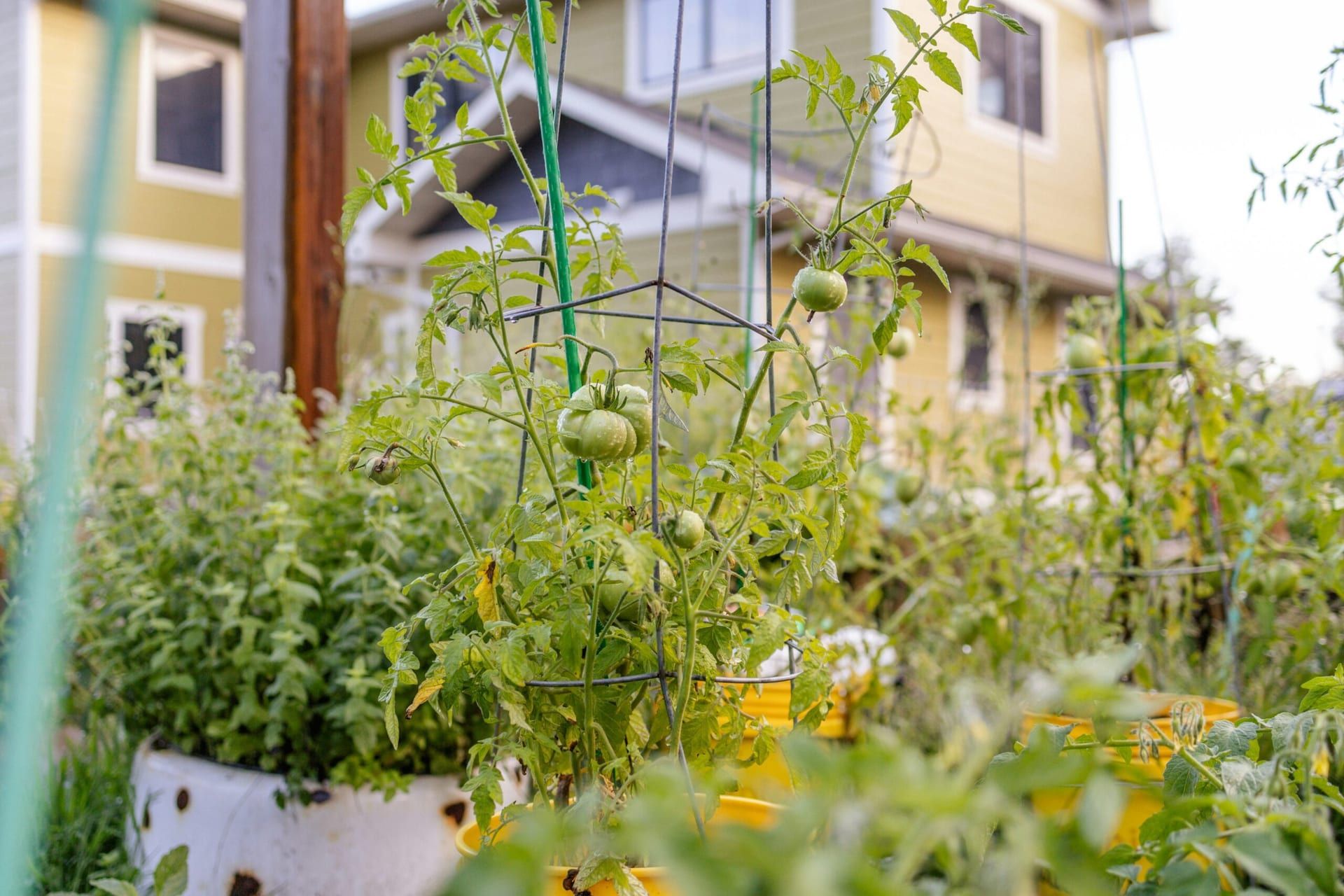
On March 17, 2024, an increasing number of Los Angeles residents participated in Urban Farming Day, a growing movement that has seen more city dwellers turn to cultivating their own food in small spaces like balconies, rooftops, and even repurposed vacant lots. As concerns about food security and sustainability grow, urban farming is quickly becoming an innovative solution for many, offering not only fresh produce but a sense of community and environmental responsibility.
Urban farming has gained traction in Los Angeles as a response to several pressing concerns, including rising food prices, environmental impact, and the need for local food sources in urban environments. What was once seen as a niche hobby has turned into a vital movement with city-wide implications. Across neighborhoods, residents are transforming everything from small patios to abandoned lots into thriving spaces for growing vegetables, fruits, and herbs.
The rise of urban farming has also led to the establishment of numerous community gardens where neighbors can grow food together, share resources, and build connections. These gardens not only provide fresh food but also serve as spaces for learning, relaxation, and social interaction.
In addition to offering fresh food, urban farming has been shown to improve mental health by reducing stress and fostering a stronger sense of community. The act of nurturing plants and watching them grow can provide a sense of accomplishment and fulfillment, which has become increasingly important for people living in urban areas.
While urban farming is still in its early stages in many cities, the movement is growing rapidly, with more people joining the cause every day. As Los Angeles continues to lead the way in this growing trend, experts believe that the practice will continue to spread, not only providing fresh, local food but also contributing to the fight against climate change by reducing food miles and promoting sustainable agricultural practices.

Golden State Review Contributor
Golden State Review Contributor
This article features branded content from a third party. Opinions in this article do not reflect the opinions and beliefs of Golden State Review.
This article features partner, contributor, or branded content from a third party. Members of the Golden State Review editorial staff were not involved in the creation of this content. All views and opinions are those of the contributor alone.