
California Coastal Flooding Raises Concerns As Pacific Water Levels Climb

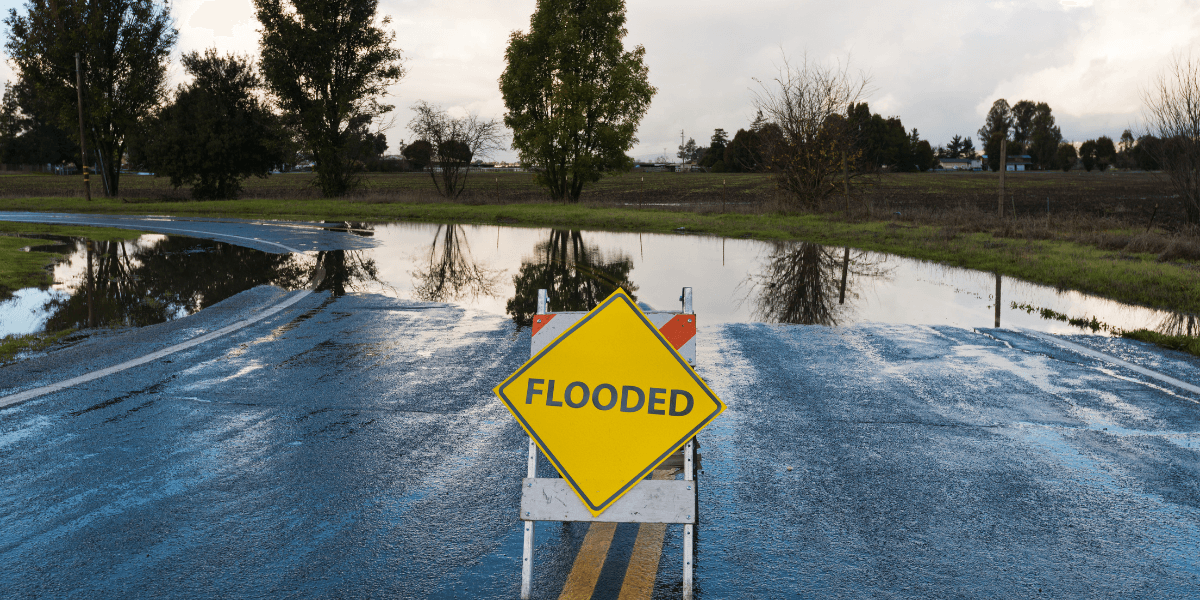
Elevated Pacific water levels brought coastal flooding risks to California on September 30, putting shoreline communities on alert.
On September 30, California's coastline offered a visible reminder of how quickly changing ocean conditions can affect everyday life. From San Diego and Orange County to San Francisco Bay, unusually high water levels combined with high tides to increase the threat of minor flooding. Coastal flood advisories covered several areas, warning that roads, beaches, parks, and other low lying locations near the shoreline could see water where residents do not normally expect it.
The event was especially notable because it was not simply a story about large breaking waves. Scientists and emergency officials were also watching elevated ocean levels associated with a large Pacific Kelvin wave. Unlike the familiar waves that rise, break, and disappear along a beach, an oceanic Kelvin wave can move a broad area of unusually warm water across the Pacific and contribute to elevated sea levels along the coast. By September 30, attention was focused on its effects in Southern California and its progression north toward the San Francisco Bay Area.
California Coastal Flooding Reaches Communities Across The State
In San Diego and Orange counties, a coastal flood advisory remained in effect through 5 p.m. on September 30. High tides were expected to peak between 6.9 and 7.1 feet between 11 a.m. and 1 p.m. Minor coastal flooding and erosion were possible around the time of high tide, particularly in vulnerable shoreline locations.
Farther north, communities around San Francisco Bay, San Pablo Bay, and Monterey Bay also faced elevated water. At the San Francisco tidal gauge, water was expected to reach 7.03 feet at 2:10 p.m. on September 30, about 1.2 feet above normal. The forecast incorporated as much as 0.7 feet of surge on top of the astronomical tide.
Those numbers may sound modest compared with the dramatic measurements associated with major coastal storms. However, relatively small increases in water levels can matter significantly in places already exposed to high tides. Parking lots, parks, roads, coastal trails, beaches, and other low lying locations can become vulnerable when several ocean conditions occur at the same time.
Ocean observations provided additional context. A buoy near Long Beach measured water temperatures of about 71 degrees Fahrenheit late on September 30, with waves around 2.3 feet. A buoy off Torrey Pines near San Diego recorded temperatures above 73 degrees and waves of roughly 3.3 feet later that night.
The observations illustrate an important point for coastal communities. Flooding concerns do not always require towering waves or a major storm. Water levels can rise because of several interacting factors, and conditions offshore may look relatively calm while low lying shoreline areas still experience problems.
Why The Pacific Kelvin Wave Matters
Kelvin waves are large scale movements within the ocean rather than conventional surf. In the Pacific, they can carry warm water eastward before influencing water levels along the Americas. Their effects can become more consequential when elevated ocean levels coincide with high astronomical tides, storm surge, heavy rain, or powerful surf.
For California, the significance extends beyond a single afternoon of unusually high water. The state's coastline contains homes, businesses, transportation corridors, recreational areas, ports, and other infrastructure. Even relatively modest changes in water level can therefore affect communities that regularly manage coastal hazards.
That vulnerability was apparent around San Francisco Bay. Coastal advisories warned that water could move farther into beaches and temporarily restrict access to some shoreline locations. By the afternoon of September 30, the advisory affecting portions of the region extended through 5 p.m. on October 1, with as much as 1.1 feet of inundation above ground level possible in susceptible shoreline and tidal areas.
The episode also highlights why scientists monitor broad changes across the Pacific. Conditions that begin far offshore can eventually influence beaches, bays, roads, and neighborhoods along California's coast. Understanding those connections gives residents and local officials additional context when unusual tides or flooding develop.
What Californians Can Learn From September 30
The September 30 event shows why Californians should pay attention to more than wave height when evaluating coastal conditions. Tides, baseline ocean levels, surge, local geography, and incoming weather can combine to create flooding even when the ocean does not appear exceptionally violent.
For residents and visitors, official coastal forecasts are especially important when high tides are expected. Travelers should allow additional time if water affects roads and should avoid driving through flooded areas when the depth is unknown. People near bays, tidal waterways, beaches, and other low elevation locations can also benefit from checking local conditions before heading toward the shoreline.
September 30 ultimately provided a practical example of how broader Pacific Ocean conditions can translate into local consequences across California. What begins as a change in ocean temperature and water movement can become a flooded trail, inaccessible beach, or difficult commute when it reaches a vulnerable coastline.
As California moves deeper into fall and winter, coastal conditions will continue to deserve attention. Understanding how tides, ocean levels, and weather interact can help residents and visitors recognize changing conditions and make better informed decisions when the Pacific rises beyond its familiar boundaries.

Golden State Review Contributor
Golden State Review Contributor
This article features branded content from a third party. Opinions in this article do not reflect the opinions and beliefs of Golden State Review.
This article features partner, contributor, or branded content from a third party. Members of the Golden State Review editorial staff were not involved in the creation of this content. All views and opinions are those of the contributor alone.