
SpaceX Starship Reaches Orbit for the First Time in Major Milestone for American Spaceflight

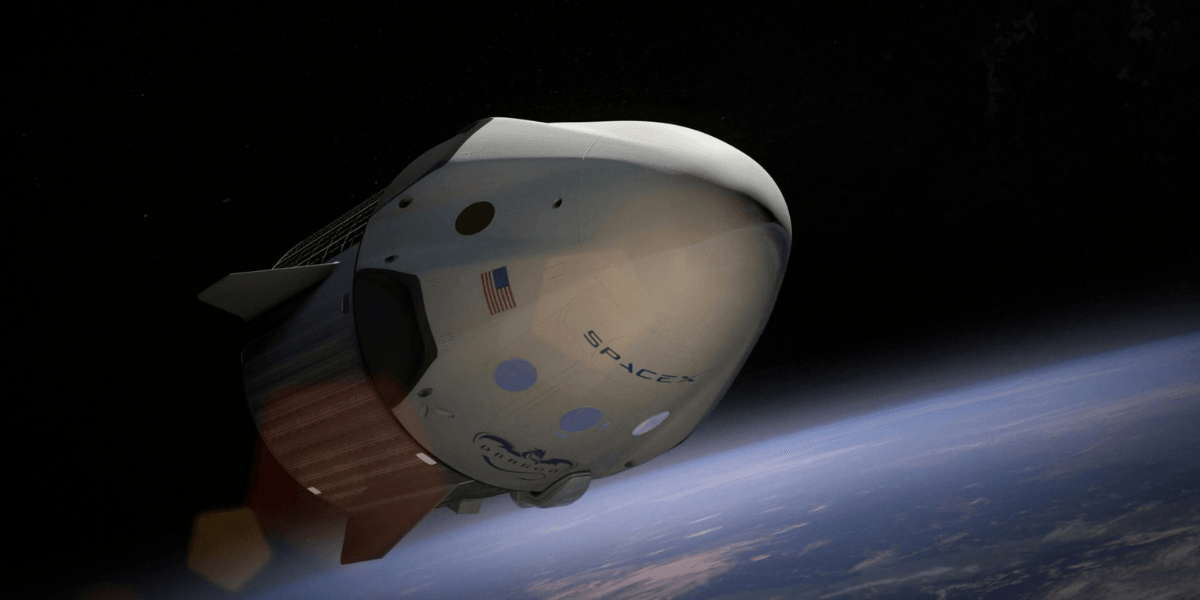
SpaceX sent Starship into orbit for the first time, marking a major step for the rocket system tied to future NASA moon missions.
On the morning of September 28, 2026, a towering rocket rose from the Texas coast and crossed a threshold that SpaceX had spent years trying to reach. Starship, the company’s enormous next generation launch system, entered Earth orbit for the first time during its 14th integrated flight. The achievement came despite an engine problem that forced mission controllers to modify the flight. For the American space industry, the successful Starship orbital flight represented more than another test. It demonstrated that a vehicle central to ambitious commercial and NASA missions could finally make the transition from suborbital testing to orbital operations.
Starship Flight 14 Reaches a Long Awaited Milestone
Starship lifted off from SpaceX’s Starbase facility in South Texas on September 28. According to SpaceX, the launch occurred at 7:48 a.m. Central Time and was the vehicle’s first attempt to enter orbit. The integrated system consists of the Super Heavy booster and the Starship upper stage. Previous integrated Starship flights had intentionally followed suborbital trajectories, making Flight 14 a significant change in the program’s testing strategy.
The mission did not unfold exactly as originally planned. One of Starship’s engines shut down prematurely during its climb. Flight controllers reviewed telemetry and allowed the spacecraft to continue. A subsequent engine firing completed the push into orbit. Starship reached an orbit about 180 miles above Earth. Meanwhile, the Super Heavy booster completed its return sequence and made a controlled splashdown in the Gulf of Mexico.
Once in orbit, Starship accomplished another important objective. The spacecraft deployed 26 third generation Starlink satellites, marking the first time the rocket had delivered operational satellites into low Earth orbit. The deployment also made Flight 14 Starship’s first revenue generating mission as well as its first orbital flight.
An Orbital Success With Technical Questions Remaining
The original flight plan called for a substantially longer mission. Starship was expected to remain in space for about 10 hours and complete six orbits. Instead, mission controllers shortened the flight after the earlier engine issue. Roughly three hours after launch, the spacecraft returned through the atmosphere and completed a controlled splashdown in the northern Pacific Ocean near Hawaii.
That shortened mission is an important part of understanding the significance of the Starship orbital flight. Reaching orbit was a major technical achievement, but the test also showed that significant engineering work remains. Starship is designed around extensive reusability, with SpaceX ultimately seeking to recover and fly both major stages repeatedly. The September 28 mission did not demonstrate the complete reusable architecture envisioned for regular operations.
The engine issue also drew attention because Starship has a role beyond SpaceX’s commercial plans. NASA selected a specialized version of Starship to serve as a lunar lander for future Artemis missions. Under that architecture, astronauts traveling aboard NASA’s Orion spacecraft would eventually transfer to a Starship lunar vehicle before descending to the moon. Future lunar operations will also require SpaceX to demonstrate challenging capabilities such as transferring propellant between spacecraft in orbit.
Why the Starship Orbital Flight Matters
The September 28 flight matters because orbital capability changes what Starship can realistically begin testing. Reaching orbit opens the door to more complex satellite deployment, spacecraft operations, reentry testing, and eventually the orbital refueling demonstrations required for missions beyond Earth.
The development also matters to California’s aerospace community. Although Flight 14 launched from Texas, the broader American space sector includes major engineering, research, manufacturing, and technology operations across California. Progress in large reusable launch systems can influence satellite businesses, scientific missions, aerospace suppliers, and research organizations throughout the industry.
Still, one successful orbital mission does not complete the program. Starship must demonstrate reliability across repeated flights, refine its engine performance, advance recovery systems, and complete additional tests before it can fulfill its intended role in human lunar exploration. The engine failure could also add complications to the schedule for future tests connected with NASA’s moon exploration goals.
For readers following the future of American spaceflight, September 28 offers a clear takeaway: Starship has crossed one of its most important technical thresholds, but its most demanding tests remain ahead. The flight transformed orbital Starship operations from a planned capability into a demonstrated one. What happens on the next missions will help show how quickly that achievement can develop into a reliable transportation system for satellites, lunar exploration, and other ambitious missions in space.

Golden State Review Contributor
Golden State Review Contributor
This article features branded content from a third party. Opinions in this article do not reflect the opinions and beliefs of Golden State Review.
This article features partner, contributor, or branded content from a third party. Members of the Golden State Review editorial staff were not involved in the creation of this content. All views and opinions are those of the contributor alone.