
Trump’s West Point Commencement Speech Sparks Political Controversy

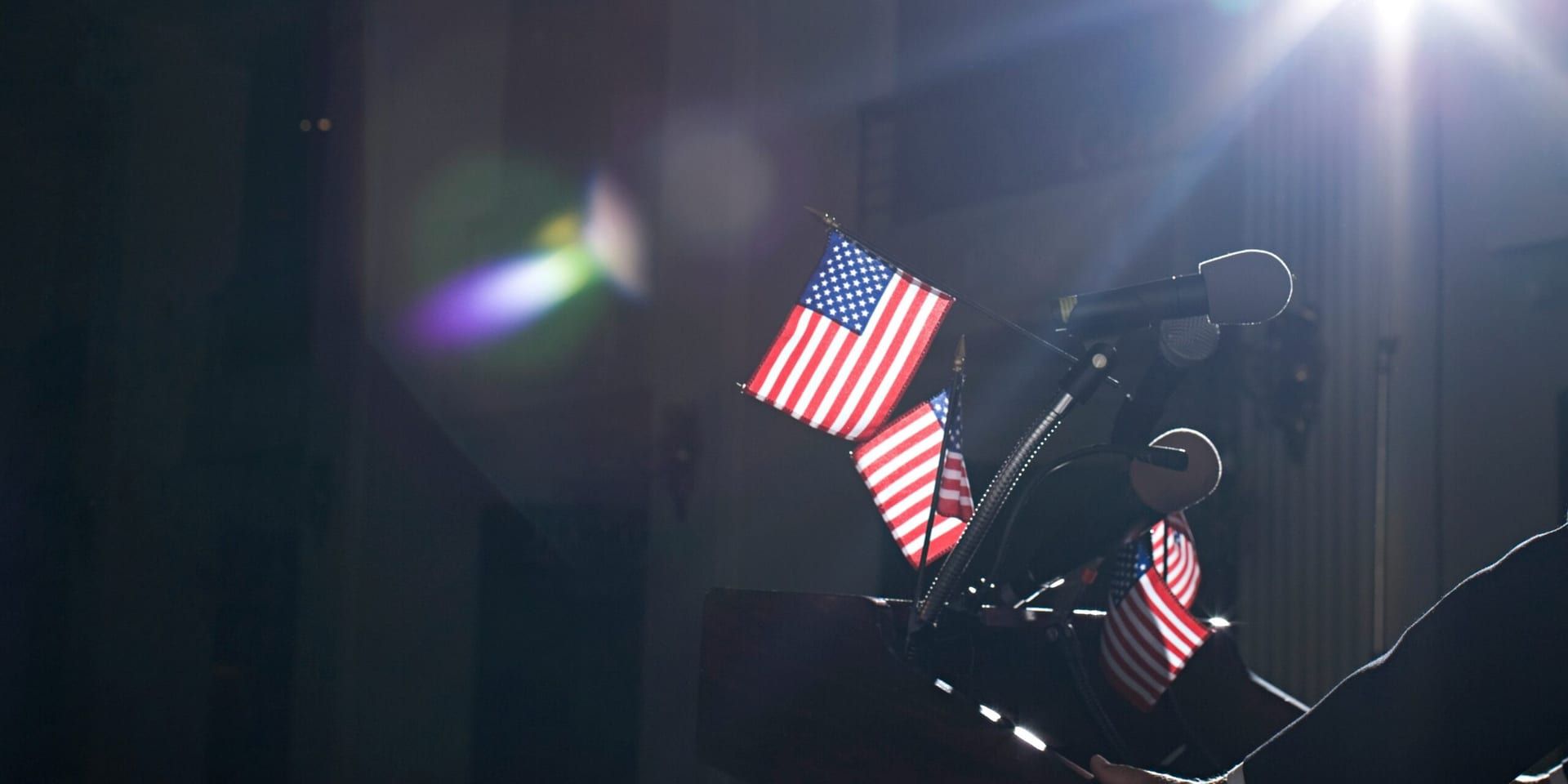
On May 24, 2025, President Donald Trump delivered a politically charged commencement address at the United States Military Academy at West Point, addressing 1,002 graduating cadets. Departing from traditional celebratory remarks, Trump criticized past administrations’ military policies, condemned diversity programs, and reiterated his “peace through strength” doctrine. He also repeated an unfounded claim that Russia stole U.S. hypersonic missile technology during the Obama administration. The speech, which included Trump wearing a red “Make America Great Again” hat, was met with protests outside the academy, with demonstrators condemning his perceived attacks on democracy. The address precedes a large-scale military celebration in Washington, D.C., on June 14, marking the Army’s 250th anniversary and coinciding with Trump’s birthday. The event is expected to draw 200,000 attendees and cost up to $45 million.
Trump’s speech was characterized by a blend of military praise and political rhetoric. He lauded the graduates’ accomplishments, spotlighting both academic innovations, such as a cadet-designed hypersonic rocket, and physical feats. However, he also emphasized his administration’s efforts to reshape the military by eliminating diversity, equity, and inclusion (DEI) programs, including banning critical race theory and transgender policies within armed forces training. Trump proudly claimed credit for rebuilding the U.S. military during his first term and announced a large parade in Washington honoring the Army’s 250th anniversary, coinciding with his birthday. The event underscored his intertwining of military leadership with political branding.
A significant portion of Trump’s speech focused on his administration’s dismantling of DEI initiatives. He claimed to have “liberated” troops from DEI-related training, banning critical race theory and policies related to transgender individuals. These actions followed his executive orders to eliminate DEI programs and promote a merit-based system. As part of this agenda, West Point dissolved several affinity groups, purged diverse authors from libraries, and eliminated classroom discussions on systemic inequity—leading to resignations, including a professor publicly dissenting from the changes.
Critics argue that these moves politicize military education and jeopardize academic freedom. Despite the Trump administration’s crackdown on DEI initiatives and social justice education in U.S. military academies, faculty and students are reportedly continuing these discussions in secret. At the U.S. Naval Academy, cadets are using private email accounts to study banned topics like critical race theory. Professors argue these studies are essential for preparing future officers and fear they are failing their educational mission by conforming to ideological mandates. At West Point, Professor Graham Parsons resigned in protest, citing the elimination and censoring of academic content to align with Trump’s views.
Trump’s address also included his frequent grievance-laden narratives, such as being subjected to more investigations than Al Capone, and repeated condemnations of what he views as politically driven reforms. He notably praised cadets for their physical attributes and criticized gender policies in sports, reinforcing controversial points from his broader platform. This address marks his first major speech at the academy since 2020, contrasting with Joe Biden’s 2024 appearance, which emphasized democratic values without direct references to Trump.
The speech precedes a large-scale military celebration in Washington, D.C., on June 14, marking the Army’s 250th anniversary and coinciding with Trump’s birthday. The event is expected to draw 200,000 attendees and cost up to $45 million.

Golden State Review Contributor
Golden State Review Contributor
This article features branded content from a third party. Opinions in this article do not reflect the opinions and beliefs of Golden State Review.
This article features partner, contributor, or branded content from a third party. Members of the Golden State Review editorial staff were not involved in the creation of this content. All views and opinions are those of the contributor alone.