
U.S. Markets Slide Amid Renewed Tariff Tensions

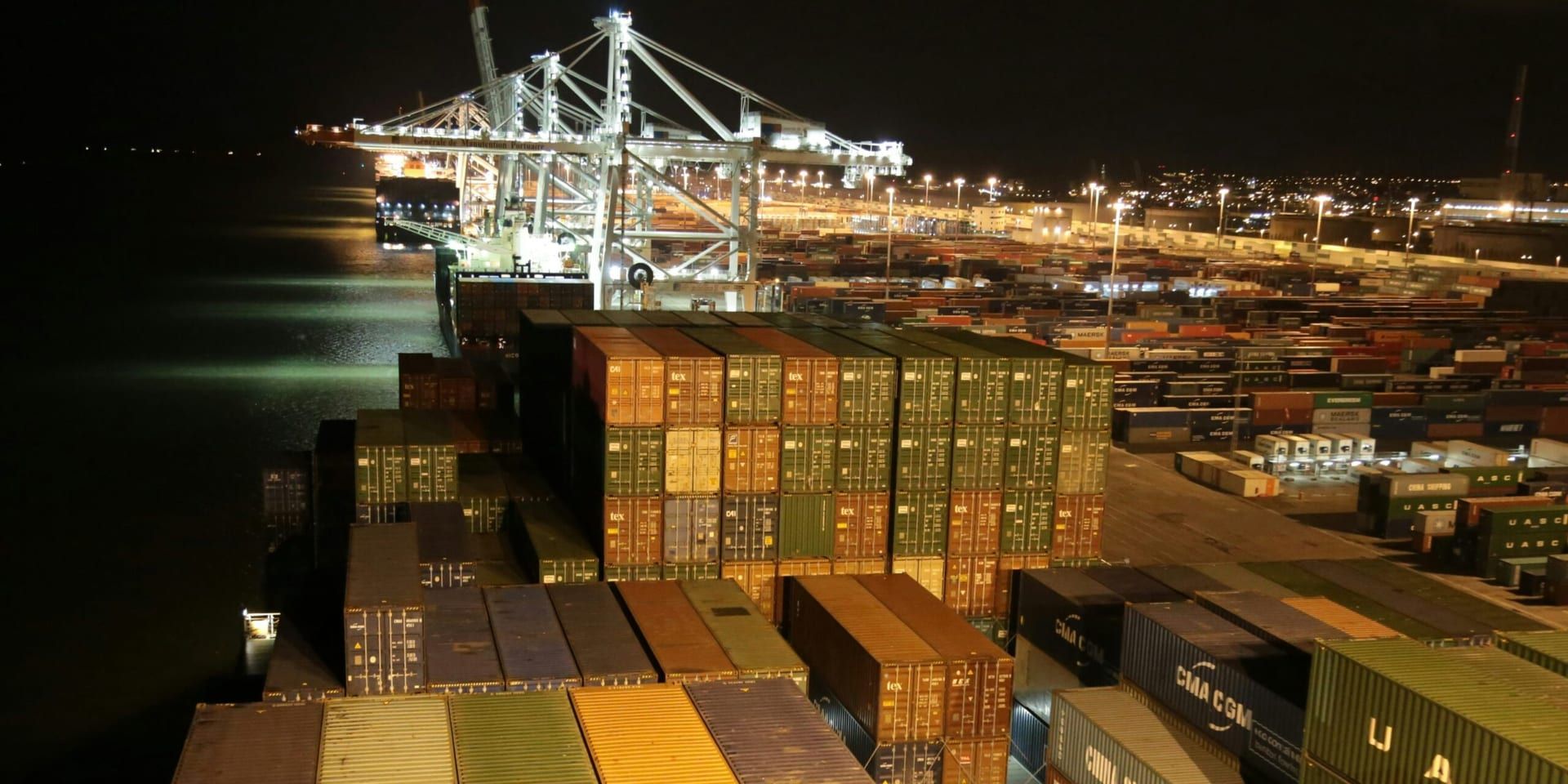
On July 7, 2025, U.S. stock markets experienced a significant downturn following President Donald Trump’s announcement of new tariffs on imports from Japan, South Korea, and twelve other nations. The Dow Jones Industrial Average fell over 400 points, reflecting investor concerns over potential trade disruptions.
The newly imposed tariffs, set at 25% for Japan and South Korea, are scheduled to take effect on August 1. Other countries, including Myanmar, Laos, Cambodia, Thailand, Serbia, Bangladesh, Indonesia, South Africa, Bosnia and Herzegovina, Kazakhstan, Malaysia, and Tunisia, face tariffs ranging from 25% to 40%. These measures are part of President Trump’s strategy to boost domestic manufacturing and address trade imbalances.
The announcement led to immediate reactions in financial markets. The S&P 500 dropped by 0.8%, and U.S. Treasury yields rose as investors sought safer assets. Shares of trade-sensitive companies, such as Lululemon, Estee Lauder, and Deere, fell by over 2%.
President Trump extended the deadline for reciprocal tariff negotiations to August 1, warning that countries failing to reach agreements would face the new tariffs. He also threatened an additional 10% tariff on nations aligning with the BRICS group, which includes China, India, and others. Trump emphasized that the tariffs could be adjusted based on the quality of trade relationships and warned against retaliatory measures.
The administration’s approach has drawn criticism from various quarters. Economists argue that the tariffs may lead to increased costs for U.S. consumers and strain international partnerships. Legal challenges have also emerged, with opponents questioning the president’s authority to impose such tariffs under the International Emergency Economic Powers Act.
Despite the controversy, the Trump administration maintains that these measures are necessary to protect American interests and promote fair trade practices. Negotiations with affected countries are ongoing, with the administration aiming to finalize more trade deals before the August 1 deadline.
The global reaction remains uncertain, as countries assess the potential impact of the tariffs on their economies and consider possible responses. The situation continues to evolve, with significant implications for international trade dynamics and economic stability.

Golden State Review Contributor
Golden State Review Contributor
This article features branded content from a third party. Opinions in this article do not reflect the opinions and beliefs of Golden State Review.
This article features partner, contributor, or branded content from a third party. Members of the Golden State Review editorial staff were not involved in the creation of this content. All views and opinions are those of the contributor alone.