
Historic SS United States Begins A New Life Beneath The Gulf

The historic SS United States has become an artificial reef, opening a new chapter in American maritime history.
An American Maritime Icon Reaches Its Final Destination
After decades of carrying passengers across the Atlantic Ocean and becoming one of America's most celebrated ocean liners, the SS United States has entered an extraordinary new chapter. The historic vessel sank beneath the Gulf of Mexico on November 11, 2026, off the coast of Florida, marking the end of its life as a passenger ship and the beginning of its transformation into what officials expect to become the world's largest artificial reef.
The operation took place approximately 22 nautical miles southwest of Destin-Fort Walton Beach. Originally scheduled for November 12, the deployment was moved forward because of weather conditions. Crews began the controlled sinking process on Wednesday, with the vessel finally disappearing beneath the water shortly before 10 p.m.
The event attracted considerable attention from maritime enthusiasts, local residents, environmental observers, and people who had followed the ship's remarkable history. For many, the sinking represented a bittersweet moment. A vessel once associated with luxury travel and American engineering was being retired from the surface, but its physical structure would continue serving a new purpose beneath the ocean.
A Ship That Once Made History
The SS United States was launched in 1952 and quickly became an important symbol of American maritime achievement.
Designed by naval architect William Francis Gibbs, the vessel was built with speed, safety, and engineering performance in mind. At approximately 990 feet long, it was the largest passenger ship constructed in the United States.
Its maiden voyage established a remarkable record. The SS United States crossed the Atlantic at an average speed of approximately 35.59 knots, earning the coveted Blue Riband for the fastest westbound crossing by a passenger liner.
That achievement remains an important part of maritime history.
During its operational years, the ship carried thousands of passengers across the Atlantic. Its guests included prominent entertainers, public figures, business leaders, and international travelers. The vessel became associated with an era when ocean liners represented an important connection between continents.
However, changing travel preferences gradually reduced demand for traditional transatlantic passenger services. Commercial aviation became faster and more accessible, making long ocean crossings less attractive to many travelers.
The SS United States completed its final passenger voyage in 1969. Although several preservation and redevelopment proposals emerged over subsequent decades, none successfully returned the vessel to service.
From Preservation Challenges To An Artificial Reef
For years, the ship faced an uncertain future.
Maintaining such a large vessel required substantial financial resources. Preservation organizations and maritime enthusiasts explored different possibilities, including transforming the liner into a museum, hotel, or entertainment destination.
Despite those efforts, the costs and practical challenges of restoration remained considerable.
In 2024, Okaloosa County in Florida acquired the vessel with plans to transform it into an artificial reef. The project offered an alternative to dismantling the historic ship for scrap metal.
Before deployment, specialists undertook extensive preparation to make the vessel suitable for its new underwater environment. The work included removing materials that could harm marine ecosystems, preparing the hull, and creating openings that would allow water to enter during the controlled sinking process.
The project was designed to preserve the ship's large structural framework while preparing it for a completely different role.
The transformation also offered an opportunity to give the vessel a lasting presence in another part of American maritime history.
A New Habitat For Marine Life
The artificial reef project carries potential environmental benefits for the Gulf Coast.
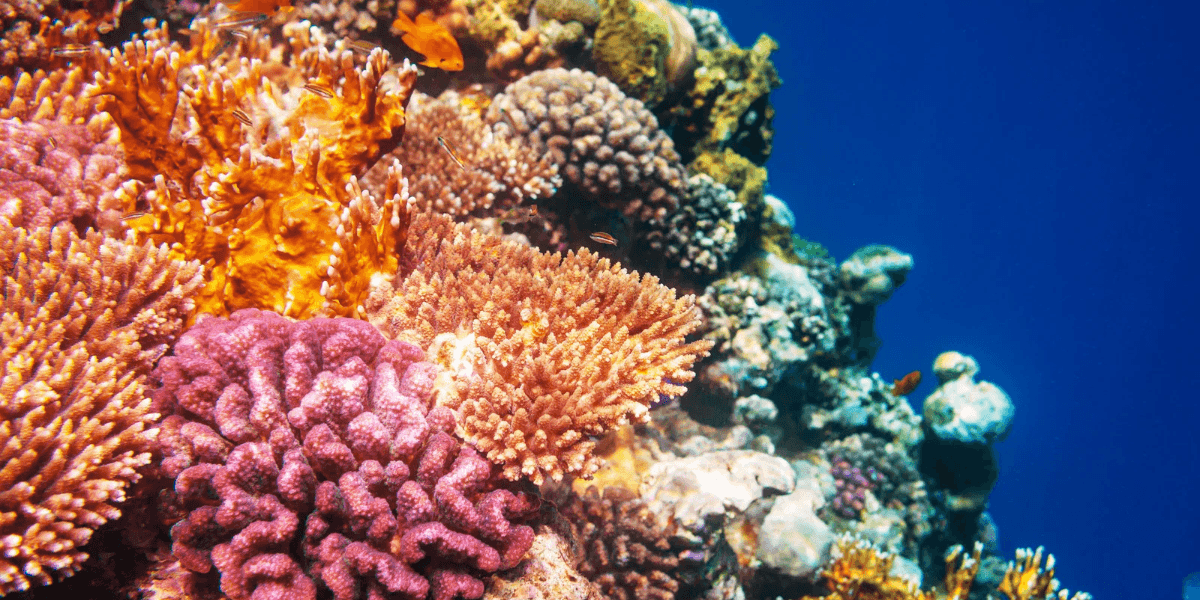
Artificial reefs provide underwater structures where marine organisms can attach, grow, and establish communities. Over time, algae, sponges, corals, barnacles, and other organisms can colonize suitable surfaces.
These communities can attract smaller fish and other marine animals. Larger species may then use the structures for shelter, feeding, and other activities.
The SS United States is expected to provide a substantial habitat because of its size and complex structure.
According to the Florida Fish and Wildlife Conservation Commission, artificial reefs can expand available marine habitat and create additional opportunities for recreational fishing and diving.
The project also provides scientists with an opportunity to study how marine ecosystems develop around a large artificial structure.
Researchers from the Woods Hole Oceanographic Institution are participating in scientific work examining how organisms colonize the vessel and how underwater communities develop over time.
This research could provide useful information about artificial reefs and their role in marine environments.
A New Attraction For Florida's Gulf Coast
Beyond its environmental purpose, the project is expected to create new recreational opportunities for Northwest Florida.
Destin-Fort Walton Beach already attracts visitors interested in fishing, boating, and scuba diving. The addition of the historic ocean liner could strengthen the region's appeal to divers seeking distinctive underwater experiences.
The vessel rests in approximately 180 feet of water, with its upper deck considerably closer to the surface. Its depth and structure will make different sections accessible to divers with appropriate training and experience.
Local businesses may also benefit from increased interest in diving excursions, fishing charters, accommodation, and related tourism services.
However, the long term economic impact will depend on visitor demand, access arrangements, environmental conditions, and the development of suitable recreational facilities.
The ship's transformation is therefore both a conservation initiative and a significant tourism development for the Florida Panhandle.
The Legacy Of An Extraordinary Ocean Liner
The sinking of the SS United States marks the end of an important chapter in American maritime history. Its record breaking Atlantic crossing, distinctive engineering, and decades of service made it one of the country's most recognizable ocean liners.
Although the vessel will no longer carry passengers, its story will continue through historical preservation efforts and the new underwater ecosystem developing around its structure.
The project also highlights how historic infrastructure can sometimes find a new purpose when traditional preservation becomes impractical.
For maritime enthusiasts, the ship's final journey carries both nostalgia and possibility. For scientists, it offers a rare opportunity to observe an artificial reef developing from its earliest stages.
The SS United States may have completed its final voyage, but its next chapter has only just begun. Beneath the Gulf of Mexico, an American maritime icon is preparing to become part of a living marine environment, creating a legacy that extends beyond the history of ocean travel.

Golden State Review Contributor
Golden State Review Contributor
This article features branded content from a third party. Opinions in this article do not reflect the opinions and beliefs of Golden State Review.
This article features partner, contributor, or branded content from a third party. Members of the Golden State Review editorial staff were not involved in the creation of this content. All views and opinions are those of the contributor alone.