
Rare Death Valley Fish Makes Remarkable Recovery

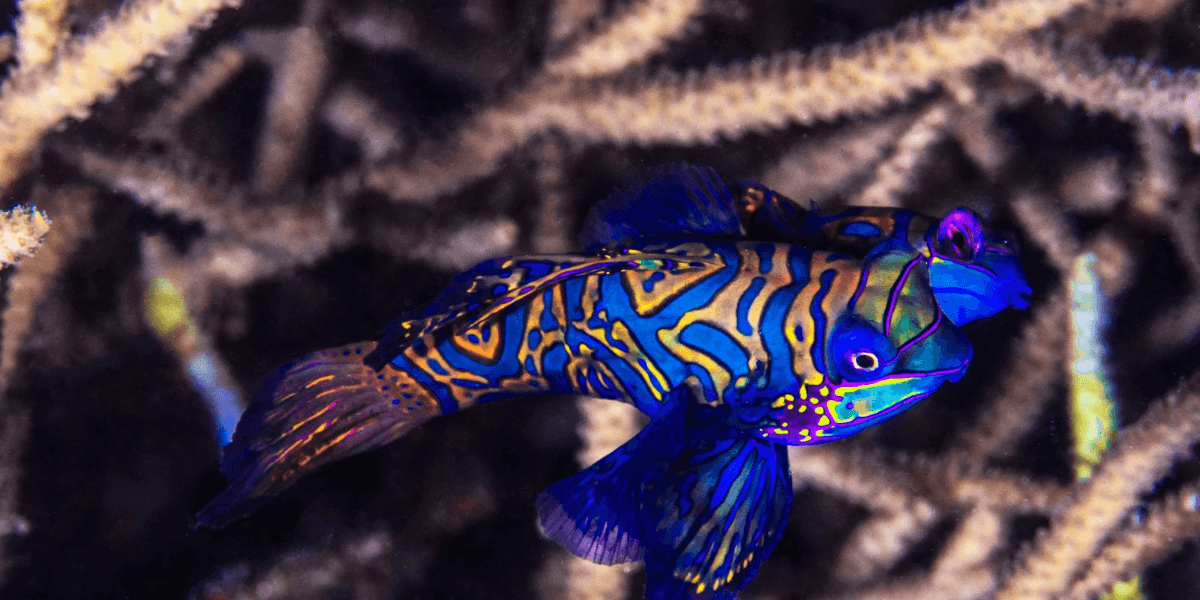
One of the world's rarest fish is recovering in Death Valley, offering new hope for wildlife conservation.
A Rare Species Shows Signs Of Recovery
In a remote corner of Death Valley National Park, an extraordinary conservation story is unfolding beneath the desert landscape. The Devils Hole pupfish, one of the world's rarest fish, has recorded a significant population increase after coming dangerously close to disappearing from its only natural habitat. The latest survey offers encouraging news for wildlife scientists and conservationists working to protect the tiny species.
On October 10, 2026, researchers counted 137 Devils Hole pupfish during a population survey. The National Park Service announced the results in November, reporting that the number was nearly double the 77 fish recorded in spring 2026 and more than twice the 69 observed in fall 2025.
The increase represents an important development for a species whose survival depends on an unusually small and fragile ecosystem. Although the latest figures do not guarantee long term recovery, they demonstrate that coordinated conservation efforts can help vulnerable wildlife populations regain ground.
Understanding The Devils Hole Pupfish
The Devils Hole pupfish lives exclusively in Devils Hole, a deep, water filled cavern within Death Valley National Park. Its natural habitat is particularly unusual because the fish depends on a shallow limestone shelf where it finds food and reproduces.
Measuring less than an inch on average, the small fish has adapted to conditions that would challenge many other aquatic species. The water remains warm throughout the year, generally reaching temperatures between 90 and 93 degrees Fahrenheit. Oxygen and nutrients are also limited.
The species feeds primarily on microscopic algae growing along the limestone shelf, making the condition of this small area essential to its survival.
Scientists believe the pupfish became isolated in this environment as regional climate conditions changed over thousands of years. Over time, the population developed distinctive characteristics that allowed it to survive in its unusual surroundings.
However, this specialization also creates significant risks. Because the species exists naturally in only one location, any major disturbance to its habitat can affect the entire wild population.
Earthquakes Created A Serious Challenge
The recovery comes after a particularly difficult period.
In early 2025, the Devils Hole pupfish population fell to approximately 20 individuals, one of the lowest recorded numbers in its history. Two earthquakes, including one in December 2024 and another in February 2025, generated powerful waves inside the cavern.
These waves disrupted the shallow limestone shelf, removing algae and fish eggs from the area. Since the shelf provides both food and spawning opportunities, the disturbance created serious challenges for the surviving population.
The situation prompted conservation teams to strengthen their recovery efforts.
Scientists released 72 captive raised pupfish into Devils Hole between March 2025 and February 2026. These fish came from a protected population maintained at the Ash Meadows Fish Conservation Facility.
Conservation teams also introduced supplemental feeding while the natural algae supply recovered. These measures helped support the fish during a period when their habitat was struggling to return to normal conditions.
The latest survey suggests that these efforts, together with natural reproduction, have contributed to the improving population.
Scientists Continue Their Conservation Work
The National Park Service and the U.S. Fish and Wildlife Service have monitored Devils Hole pupfish populations since 1972.
Their surveys involve a combination of underwater observations and surface counts. Scuba divers examine the deeper sections of the cavern, while other researchers count fish near the surface and along the shallow shelf.
This monitoring system provides valuable information about population changes, habitat conditions, and the effectiveness of conservation measures.
The latest results are especially encouraging because scientists believe most of the 137 fish counted in October were born and developed naturally inside Devils Hole.
That assessment matters because the species has an average lifespan of only 10 to 14 months. The presence of younger fish indicates that natural reproduction continues despite the environmental challenges.
Death Valley National Park Superintendent Mike Reynolds described the increase as an encouraging development and recognized the work of scientists and conservation partners.
Nevertheless, researchers remain cautious. The population naturally fluctuates, and environmental disturbances can quickly reverse progress.
Why This Recovery Matters Beyond Death Valley
The Devils Hole pupfish recovery offers an important lesson about biodiversity and the protection of fragile ecosystems.
Many endangered species face threats from habitat destruction, environmental changes, and limited food supplies. However, the pupfish illustrates another challenge: some animals depend on such specialized environments that even a relatively small disturbance can threaten their entire population.
Its recovery also demonstrates the value of long term scientific monitoring. Without decades of population records, researchers would have a much harder time understanding the scale of the decline and measuring the effectiveness of conservation programs.
The partnership between federal wildlife agencies and conservation scientists also highlights the importance of coordinated environmental protection.
For California residents and visitors, the story provides another reason to recognize Death Valley as more than a destination known for its dramatic desert scenery. Its ecosystems support remarkable species that require careful protection.
A Promising Step, But The Work Continues
The increase to 137 Devils Hole pupfish represents meaningful progress after a period of serious uncertainty. It shows that careful monitoring, habitat management, captive breeding, and coordinated conservation efforts can make a difference.
However, the species remains highly vulnerable. Earthquakes, changes in water conditions, and disruptions to its limited food supply continue to present challenges.
The National Park Service and its conservation partners will continue studying the population and managing the habitat to support its long term survival.
For now, the latest count offers a welcome reason for optimism. In one of America's most unusual natural environments, a tiny fish is demonstrating remarkable resilience and reminding the public why protecting even the smallest forms of wildlife matters.

Golden State Review Contributor
Golden State Review Contributor
This article features branded content from a third party. Opinions in this article do not reflect the opinions and beliefs of Golden State Review.
This article features partner, contributor, or branded content from a third party. Members of the Golden State Review editorial staff were not involved in the creation of this content. All views and opinions are those of the contributor alone.