




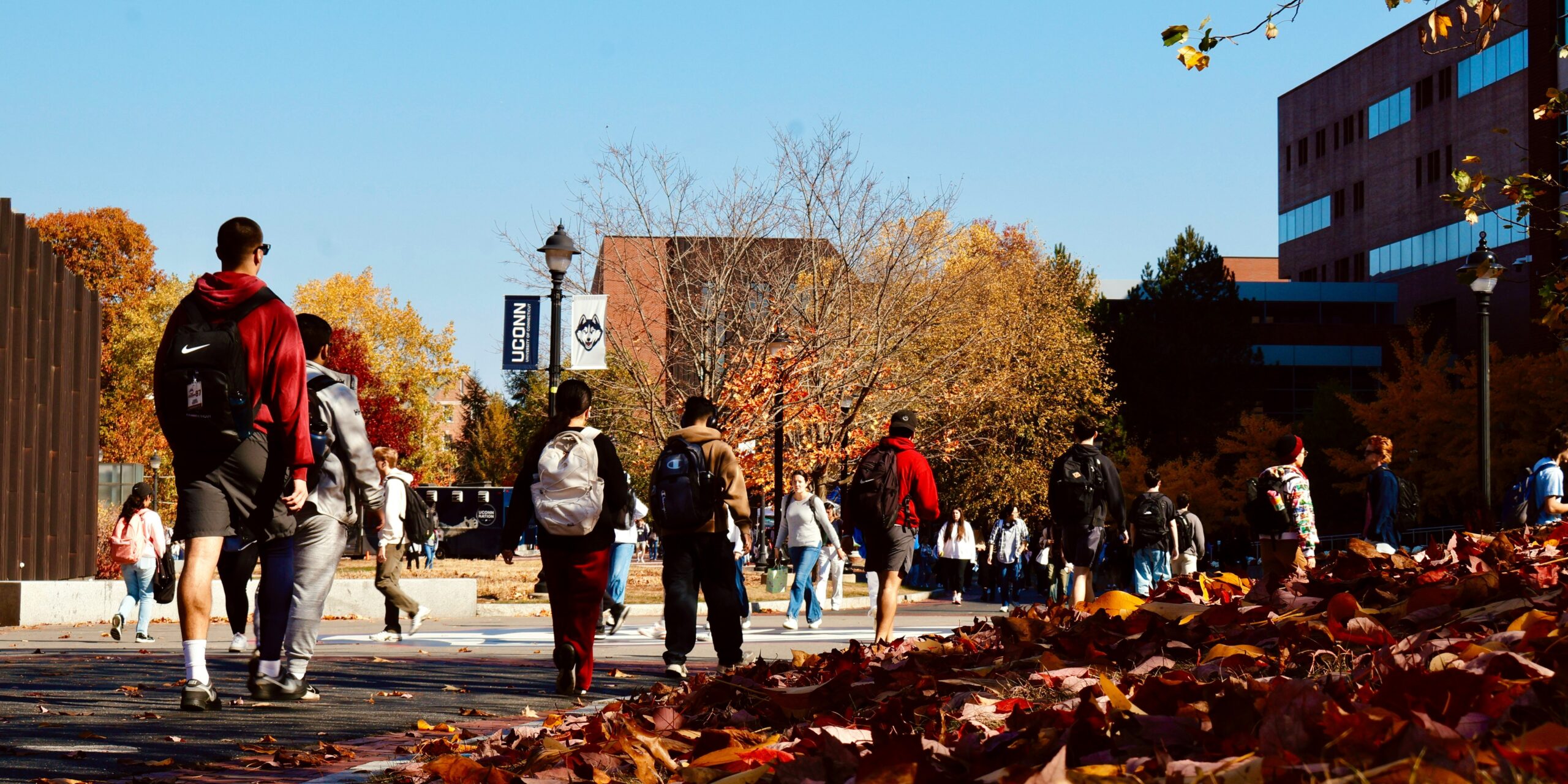
The recent survey showing record levels of on-campus student engagement across the U.S. (released on November 23) is more than just a promising trend—it should prompt a significant reevaluation of university priorities. The data reveals that 78% of students participated in campus activities this fall, highlighting that even in an era dominated by digital interactions, on-campus involvement still plays a vital role in students’ college experiences.
When students join clubs, intramural sports teams, or service programs, they are not just filling their schedules with extracurricular activities. They are gaining invaluable experiences that help them develop critical life skills, build lasting networks, and, perhaps most importantly, foster a strong sense of belonging within their academic community. These benefits cannot be fully replicated through online interactions, no matter how sophisticated the virtual platforms become. The engagement that happens in physical spaces—whether it’s attending a club meeting, volunteering for a community event, or competing in a sports match—creates opportunities for personal growth and connection that are integral to the overall college experience.
This surge in campus participation should be a call to action for universities across the country to reassess their approach to student involvement. Institutions should leverage this momentum by reinvesting in student-led programming, ensuring that these initiatives are both flexible and inclusive. While traditional in-person activities should remain a cornerstone of campus life, universities must also adapt to the evolving landscape by offering hybrid event options that blend physical and digital engagement. This approach will help cater to the diverse needs of students, including those who may have scheduling conflicts or are balancing studies with part-time work or other responsibilities.
For California institutions, in particular, which serve some of the most diverse and mobile student populations in the country, the impact of early engagement is even more pronounced. These universities often support students from a wide range of cultural, economic, and geographic backgrounds, and fostering early involvement can be instrumental in creating a sense of community and belonging. The benefits are clear: students who feel connected to their university through active participation are more likely to persist in their studies, experience improved mental health, and develop stronger ties to their peers and the local community. These factors directly contribute to higher retention rates and overall student success.
Read Also: https://goldenstatereview.com/silicon-valley-startup-introduces-ai-powered-mental-wellness-app/
Prioritizing student engagement also helps strengthen the resilience of the institution itself. Universities that foster vibrant, active campus communities are better positioned to adapt to challenges—whether they are shifts in enrollment patterns, external crises, or changes in higher education policy. Engaged students are more likely to feel invested in their university’s success, making them valuable partners in ensuring the long-term health and stability of their institutions.
In short, student engagement is not an optional element of the college experience—it is central to the mission of higher education. The evidence from this year’s survey underscores the importance of maintaining and expanding opportunities for students to connect, grow, and contribute to their communities. By prioritizing campus engagement now, universities can ensure that their students are not only successful during their time in college but are also well-equipped for their futures after graduation. This focus on student involvement will pay dividends not only in student success but also in the overall resilience and vitality of the institution.
