Thanksgiving Storm Disrupts Travel Across the United States

Severe Thanksgiving storms disrupt travel, postpone major celebrations and damage coastal infrastructure across the United States.
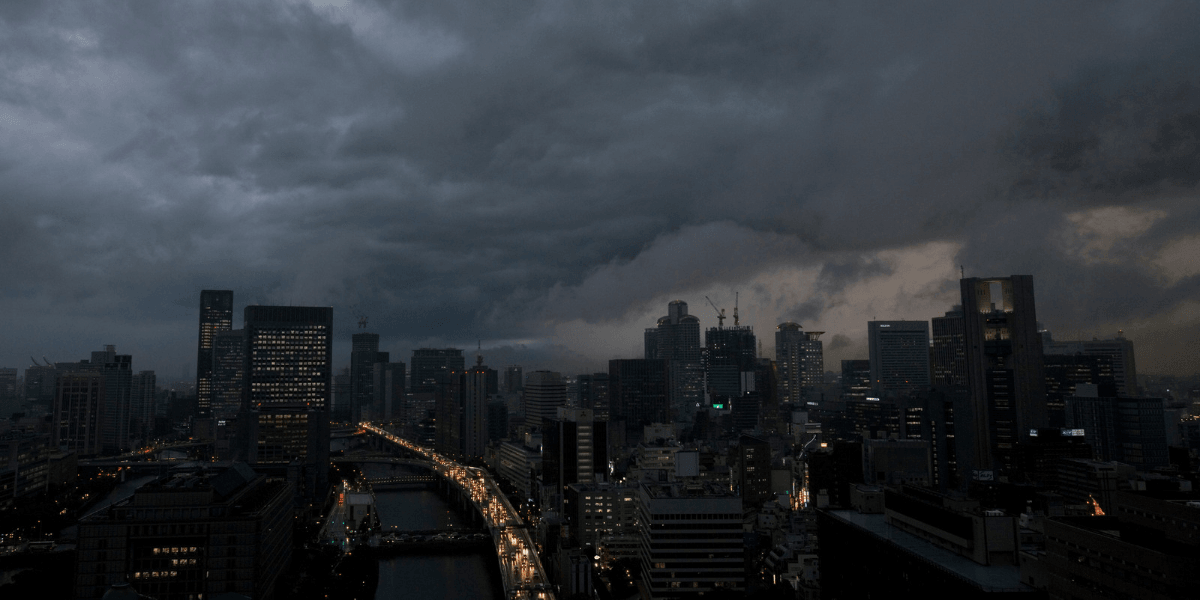
Thanksgiving is traditionally a time when millions of Americans travel to reunite with family and friends. However, on November 26, 2026, severe weather disrupted holiday celebrations across much of the country. Heavy rainfall, powerful winds, coastal flooding and winter weather created dangerous conditions, affecting transportation, public events and communities on both the East and West coasts.
One of the most notable developments was the postponement of the 100th Macy's Thanksgiving Day Parade in New York City. Meanwhile, California faced its own coastal emergency as unusually high tides and powerful ocean waves damaged public infrastructure in Pacifica, south of San Francisco.
The widespread weather conditions highlighted how quickly severe storms can affect communities during one of America's busiest holiday periods. Flooding, power outages and hazardous travel conditions affected several regions as the Thanksgiving holiday began.
Thanksgiving Storm Brings Challenges for Holiday Travelers
The Thanksgiving storm brought a combination of heavy rain, strong winds and coastal flooding to several states. The Eastern Seaboard experienced particularly difficult conditions as a strengthening storm moved through the region.
Forecasters had warned before Thanksgiving that a powerful coastal storm could bring heavy precipitation, strong winds and flooding. The weather system also threatened parts of the Midwest with snow and mixed winter conditions.
By Thursday, these conditions had become significant travel concerns.
Floodwaters closed roads, stranded motorists and disrupted transportation in several locations. The Chesapeake Bay Bridge-Tunnel and North Carolina's NC 12 were among the routes affected by hazardous conditions.
Power outages also became a concern, with hundreds of thousands of homes and businesses reportedly losing electricity during the storm's impact.
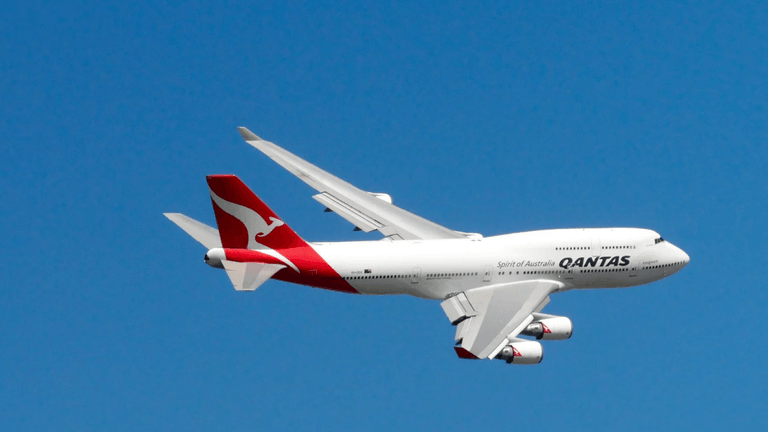
Air travelers faced additional challenges, including flight delays caused by poor visibility, turbulence, strong winds and icing conditions.
For people traveling to Thanksgiving gatherings, the developments served as an important reminder that holiday transportation plans can change quickly when severe weather develops.
New York Postpones the 100th Macy's Thanksgiving Day Parade
One of the most visible consequences of the storm involved the 100th edition of the Macy's Thanksgiving Day Parade.
The annual event is among the country's most recognizable Thanksgiving traditions. Its centennial celebration had been expected to feature an extensive collection of balloons, floats, marching bands and musical performances.
However, dangerous wind conditions in Manhattan prompted organizers to postpone the parade until Saturday, November 28.
The decision followed consultation with city officials. Organizers cited safety concerns associated with operating large balloons between Manhattan's skyscrapers during strong winds.
The milestone celebration had been scheduled to include 100 inflatables, along with performances from musical artists and entertainment groups.
The postponement demonstrated how weather conditions can affect even carefully planned national events. For spectators and visitors, the change also meant adjusting transportation arrangements and holiday schedules.
The decision placed public safety ahead of maintaining the original event timetable.
California Faces Coastal Flooding and Pier Damage
While the East Coast dealt with a powerful storm system, California experienced dangerous coastal conditions associated with unusually high tides and powerful ocean waves.
One of the significant incidents occurred in Pacifica, where a section of the Pacifica Municipal Pier collapsed into the ocean on Wednesday, November 25.
The damage occurred as large waves and king tides battered the coastline. The affected section included the L-shaped portion at the end of the pier.
Flooding also affected nearby roads and residential areas, prompting emergency responses ahead of Thanksgiving.
The pier had already been closed to the public after structural concerns were identified. However, the latest damage further emphasized the vulnerability of coastal infrastructure during extreme ocean conditions.
The City of Pacifica advised residents and visitors to avoid nearby beaches, the water and the damaged pier. Officials also warned against approaching debris that could wash ashore.
Beach Boulevard experienced flooding, while sections of the seawall were damaged and restricted.
Engineers began evaluating the pier's condition, with the city coordinating with local, state and federal agencies.
For California residents, the incident was a particularly important reminder that attractive coastal destinations can become hazardous during periods of unusually high surf and tides.
What the Weather Means for California Residents
The Thanksgiving weather disruptions carry several practical lessons for California residents, particularly those living near the coastline or traveling during the holiday season.
First, checking official weather information before traveling is essential. Conditions can change throughout the day, and a route that appears accessible in the morning may become dangerous following heavy rainfall or flooding.
Second, coastal residents should pay attention to high surf advisories, coastal flood warnings and local emergency announcements. Even familiar beaches, piers and waterfront roads can become unsafe when waves and tides intensify.
The National Weather Service provides updated forecasts and hazard information to help residents make informed decisions.
Third, travelers should allow additional time for transportation disruptions. Flight schedules, road access and public transportation services can be affected by severe weather, particularly when multiple regions experience difficult conditions simultaneously.
Finally, visitors should respect temporary closures and emergency barriers. Damaged infrastructure and coastal debris can create hazards that are not immediately visible.
A Thanksgiving Reminder About Weather Preparedness
The November 26 storm demonstrated how severe weather can reshape major holiday celebrations and affect communities thousands of miles apart.
From the postponed centennial Macy's Thanksgiving Day Parade in New York to coastal flooding and infrastructure damage in California, the day's developments illustrated the importance of preparedness, reliable information and responsible travel decisions.
For Golden State residents, the Pacifica pier damage was a particularly relevant development. It showed that coastal conditions deserve attention even when the weather inland appears relatively calm.
As holiday travel continues, official weather updates and local emergency announcements remain valuable resources for families, visitors and commuters.
Thanksgiving may be a celebration of tradition and togetherness, but this year's weather disruptions offer an equally important reminder: staying informed and putting safety first are essential parts of every successful holiday journey.

Golden State Review Contributor
Golden State Review Contributor
This article features branded content from a third party. Opinions in this article do not reflect the opinions and beliefs of Golden State Review.
This article features partner, contributor, or branded content from a third party. Members of the Golden State Review editorial staff were not involved in the creation of this content. All views and opinions are those of the contributor alone.