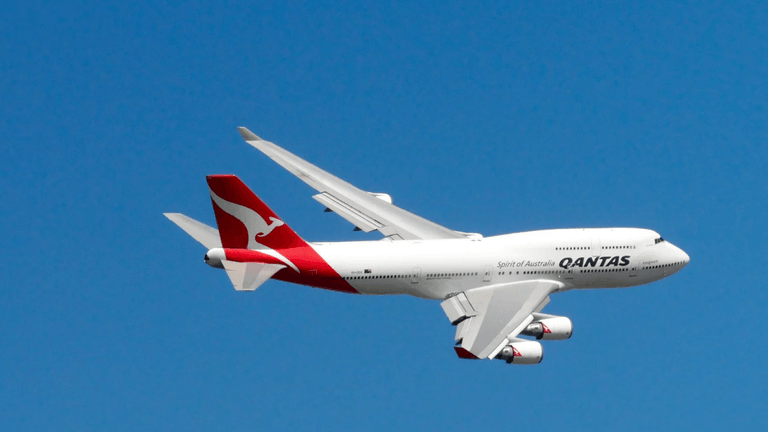
Delta Flight Disruptions Affect U.S. Thanksgiving Travel

Technical problems at Delta’s Atlanta operations disrupted more than 1,600 flights, highlighting the importance of checking travel updates.
Delta Flight Delays Disrupt Thanksgiving Travel Across the United States
For thousands of Americans preparing to travel for Thanksgiving, November 22 brought an unexpected challenge. Delta Air Lines experienced a technical outage that disrupted flights across the United States, creating delays at major airports during one of the busiest travel periods of the year.
According to reports from ABC News, more than 1,600 Delta flights were delayed nationwide on Sunday. The problem originated in an automated system used to calculate aircraft weight and balance before departure. Since Atlanta serves as Delta's largest hub, the disruption affected operations well beyond Georgia.
The timing was particularly difficult for passengers preparing to travel ahead of Thanksgiving on November 26. With families planning holiday gatherings and airports expecting increased passenger traffic, the incident highlighted how quickly technical problems can affect the wider aviation network.
What Caused the Delta Flight Delays?
The disruption involved Delta's automated weight and balance system, which helps determine how passengers, baggage, and cargo are distributed aboard an aircraft.
These calculations are essential to flight operations. Airlines must establish accurate aircraft weight and balance information before departure to support safe takeoff and flight performance.
When the automated system experienced an outage, Delta employees had to rely on manual procedures to keep flights moving while technicians worked to restore normal operations.
The Associated Press reported that Delta confirmed the issue was affecting flights at its Atlanta hub and across the country. The airline also emphasized that the Federal Aviation Administration's air traffic systems were not responsible for the disruption.
The FAA separately confirmed that Delta was working to resolve the technical problem.
According to ABC News, approximately 49 percent of Delta's flights were delayed by more than 15 minutes on Sunday, illustrating the scale of the operational challenge.
Delta Restores Its System as Passengers Face Disruptions
Delta later confirmed that its automated weight and balance system had returned to normal operation on Sunday afternoon.
However, restoring the technology did not immediately eliminate every delay. Aircraft and crew schedules had already been affected, while passengers still needed assistance with missed connections and revised travel arrangements.
The airline said it was rebooking affected customers onto the next available suitable itineraries. It also offered meals and hotel accommodations when necessary. Passengers whose flights were canceled and who no longer wished to travel were eligible for refunds, according to the company's statement reported by ABC News.
The response demonstrated the importance of recovery procedures when an airline experiences a major technical interruption.
It also showed that restoring an affected system is only one part of resolving a widespread travel disruption. Airlines must also address the passenger backlog and coordinate aircraft, employees, and revised departure schedules.
Why the Incident Matters During Thanksgiving Week
Thanksgiving is one of the most important domestic travel periods in the United States. Millions of people travel to visit relatives, attend celebrations, and take short holiday breaks.
Atlanta's Hartsfield-Jackson International Airport plays a particularly important role in this network. As a major connecting hub for Delta, it links passengers traveling between different regions of the country.
Consequently, delays affecting Atlanta can influence journeys involving airports far from Georgia.
For California residents, the incident provides a practical reminder that flights originating in San Francisco, Los Angeles, San Diego, and other West Coast cities can also be affected by problems at connecting airports.
A passenger traveling from California to an East Coast destination, for example, may depend on a timely connection through Atlanta. A delay on the first flight can create additional complications later in the journey.
The incident also reinforces the importance of reliable technology in modern aviation. Automated systems help airlines coordinate complex operations, but effective manual alternatives remain necessary when equipment or software becomes unavailable.
What Travelers Can Learn From the Disruption
The November 22 incident offers several useful lessons for people planning holiday journeys.
First, passengers should check their flight status before leaving for the airport. Airline websites and official mobile applications provide updated information about departures, arrivals, and schedule changes.
Second, travelers with connecting flights should consider allowing additional time between departures. Longer connection periods can provide greater flexibility when unexpected delays occur.
Third, passengers should keep essential belongings in their carry-on luggage. Identification, travel documents, medication, chargers, and important personal items are easier to access when checked baggage is delayed.
Finally, travelers experiencing cancellations or significant delays should contact their airline directly to understand available rebooking and refund options.
A Reminder About the Importance of Travel Preparation
Delta's November 22 disruption illustrates how a technical problem at one major airline hub can affect thousands of passengers across the country.
Although the automated system was restored later that day, the incident demonstrated the importance of reliable aviation infrastructure, effective contingency procedures, and timely passenger communication.
For California residents and other Americans preparing for Thanksgiving travel, the central takeaway is simple: flexibility and access to accurate travel information can make a significant difference.
As the holiday season brings increased demand to airports nationwide, staying informed remains one of the most practical ways to prepare for unexpected changes.

Golden State Review Contributor
Golden State Review Contributor
This article features branded content from a third party. Opinions in this article do not reflect the opinions and beliefs of Golden State Review.
This article features partner, contributor, or branded content from a third party. Members of the Golden State Review editorial staff were not involved in the creation of this content. All views and opinions are those of the contributor alone.